
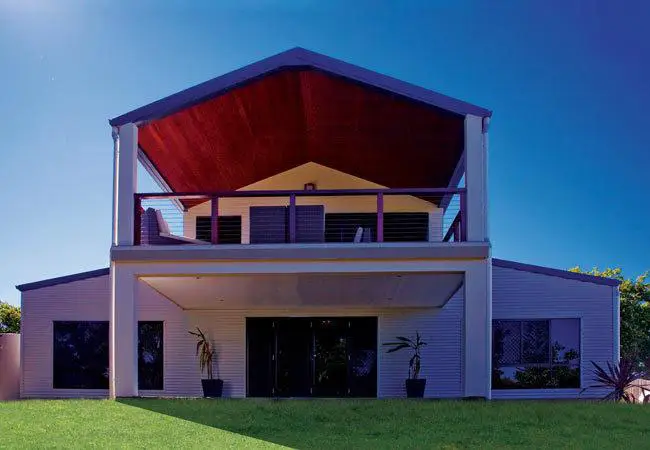
Cost-Effective Cold-Formed Steel Buildings in Northern California
Cold-formed steel is widely used in Northern California for its cost efficiency and versatility. Manufacturers form thin steel sheets into lightweight framing that meets regional climatic and seismic needs. For budget-conscious projects, steel framing can reduce both upfront and lifecycle costs across commercial and agricultural uses. This article summarizes benefits, cost drivers, and contractor support for a regional overview.
Ask AI About This Guide
Opens your AI assistant with a question ready to send.
What Are the Key Benefits of Cold Formed Steel in Northern California Construction?
Cold-formed steel aligns with Northern California requirements and regulatory expectations.
- Structural Efficiency: High strength-to-weight ratio reduces required material.
- Resilience Against Seismic Activity: Engineered connections and ductile behavior improve seismic performance.
- Sustainability: Steel is recyclable and generates minimal fabrication waste.
Its adaptability supports applications from residential framing to commercial systems.
How Does Cold Formed Steel Enhance Durability and Seismic Compliance?
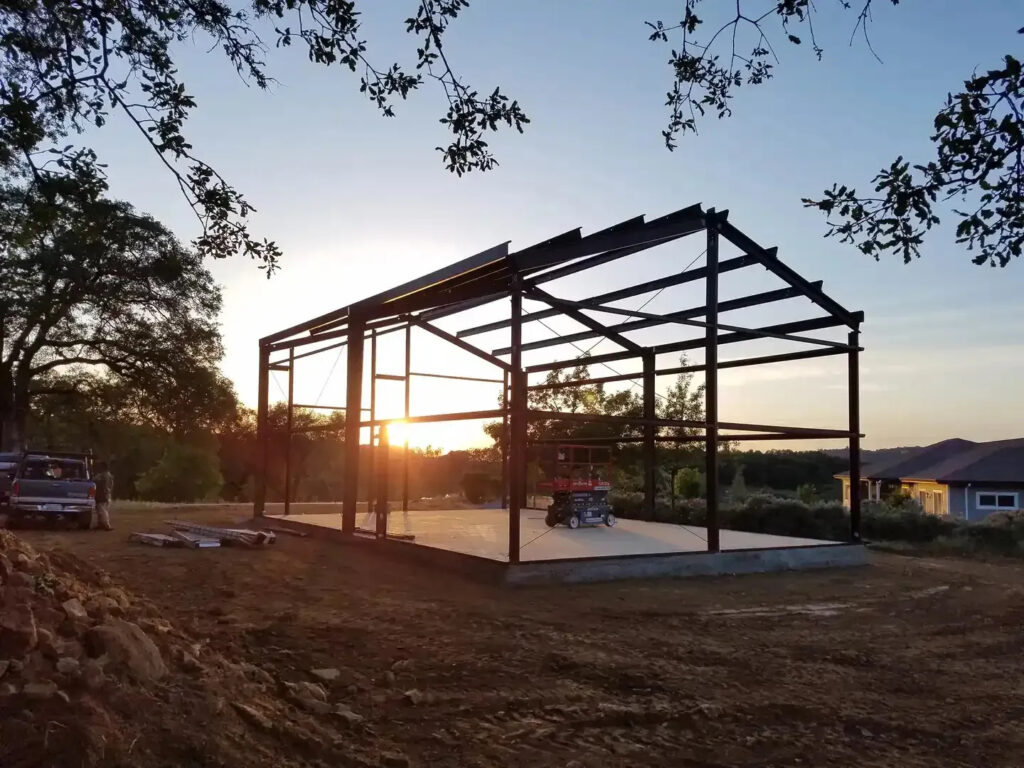
Cold-formed steel provides high tensile strength and engineered connections that promote long-term durability. Members commonly receive corrosion-resistant coatings for humid or coastal locations, and assemblies can be designed to meet local seismic provisions. Builders should verify code compliance during planning.
What Energy Efficiency and Sustainability Advantages Does Cold Rolled Steel Offer?
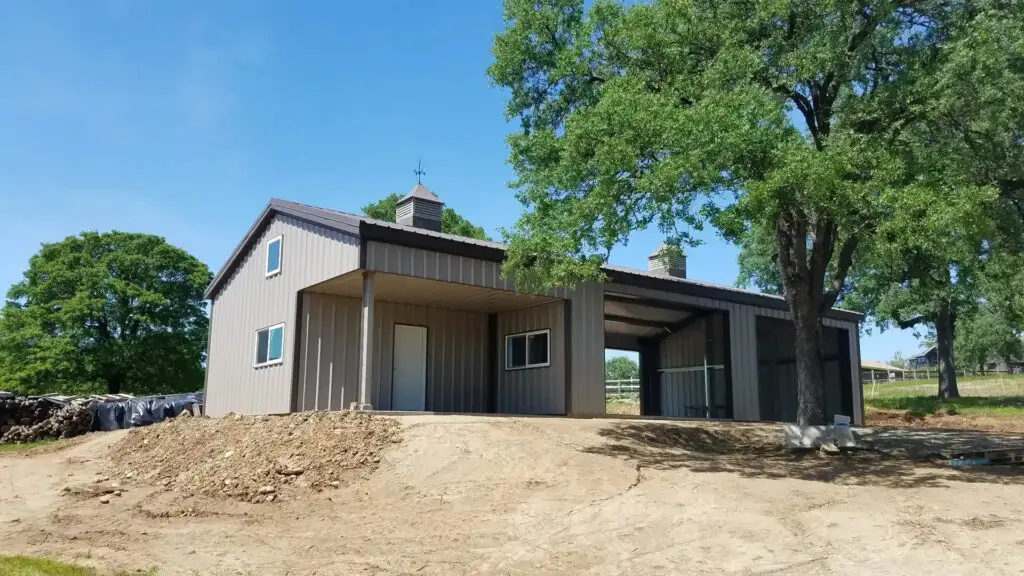
Cold-formed steel accommodates effective insulation and optimized thermal assemblies to reduce energy use and operating costs. Combined with its recyclability and low fabrication waste, the material supports sustainable building practices consistent with California regulations.
How Do Cost Factors Affect Steel Building Prices in Northern California?
Key cost drivers influence steel building prices; understanding them helps owners and teams make informed choices.
- Material Costs: Market fluctuations affect pricing.
- Labor Expenses: Skilled fabrication and installation impact budgets.
- Foundation and Site Work: Site complexity and foundations add to costs.
The table illustrates how managing these variables can optimize budgets.
| Cost Factor | Description | Impact Level |
|---|---|---|
| Material Costs | Fluctuations in commodity prices affect project budgets. | High |
| Labor Expenses | Skilled labor for assembly may lead to increased costs. | Medium |
| Site Work & Foundations | Complex site conditions require more extensive preparation. | High |
Proactive management of these factors improves budgeting and cost control throughout a project.
What Are the Main Components of Cold Formed Steel Building Costs?
Primary cost components include:
- Building Size and Geometry: More complex designs raise material and labor needs.
- Foundation Requirements: Soil conditions and height influence foundation type and price.
- Local Labor Rates: Regional wage differences affect total expense.
Owners should evaluate these components to maintain budget control.
How Can Property Owners Optimize Budget with Cost-Effective Steel Framing Solutions?
Owners can apply practical strategies to reduce costs when using cold-formed steel:
- Utilizing Standard Dimensions: Standard components reduce fabrication time and cost.
- Conducting Geotechnical Testing: Early testing minimizes unforeseen site issues.
- Requesting Itemized Bids: Detailed bids improve transparency and cost comparisons.
These measures support efficient execution and enhance long-term asset value.
Which Custom Metal Building Solutions Are Available for Agriculture and Commerce?
Cold-formed steel supports customized solutions for agricultural and commercial needs.
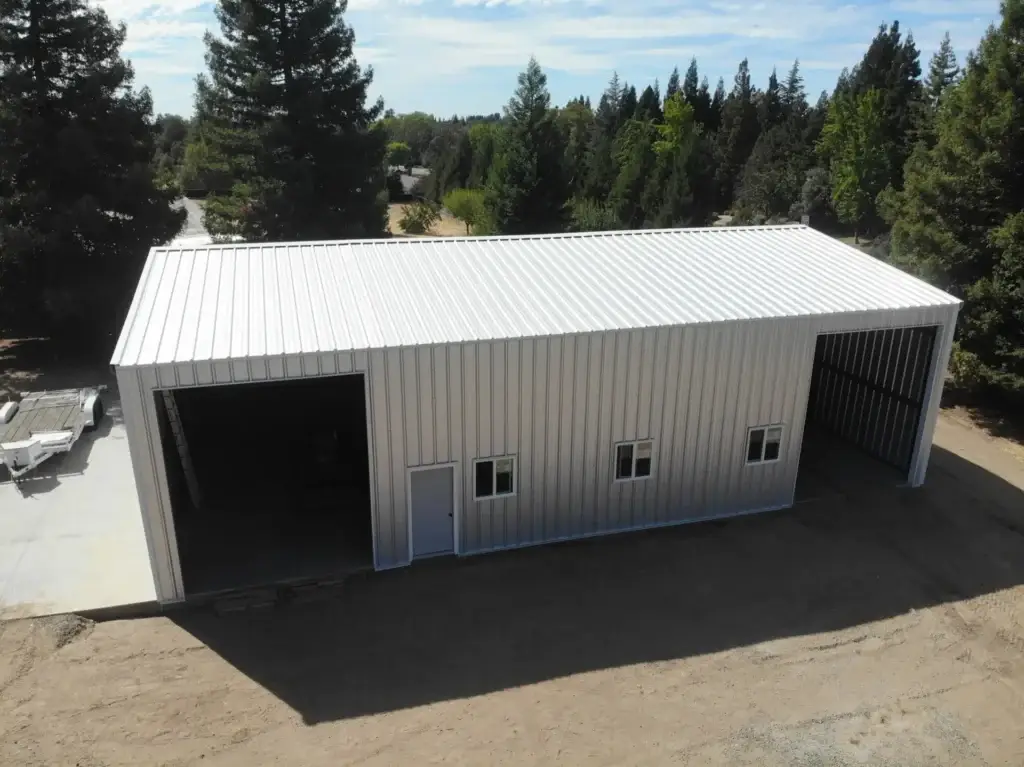
- Agricultural Buildings: Suitable for barns, storage, and greenhouses where reliability and cost matter.
- Commercial Applications: Retail and office spaces benefit from adaptable, aesthetic designs.
- Customization Options: Roof styles, wall panels, and open layouts enable tailored solutions.
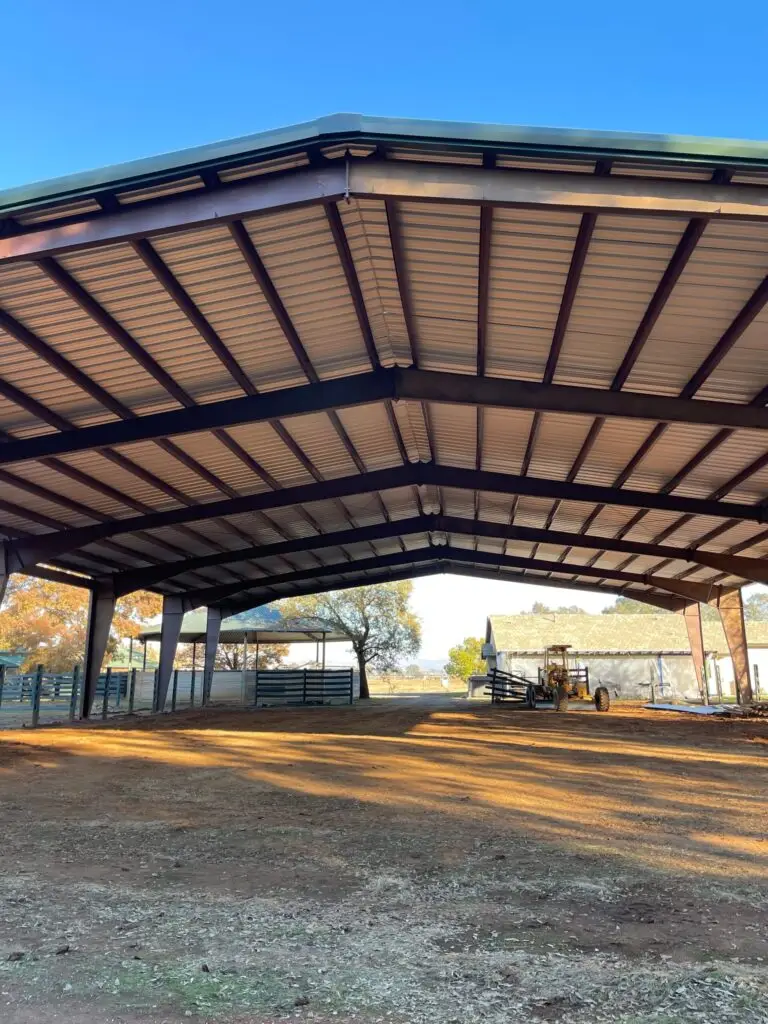
For agricultural uses such as covered horse arenas, designs range from basic shelters to climate-controlled facilities.
What Customization Options Are Offered for Covered Horse Arenas and Agricultural Steel Buildings?
Common options include:
- Design Features: Tailored arena dimensions and configurations for equestrian activities.
- Integrated Technology: Climate control and lighting to enhance functionality.
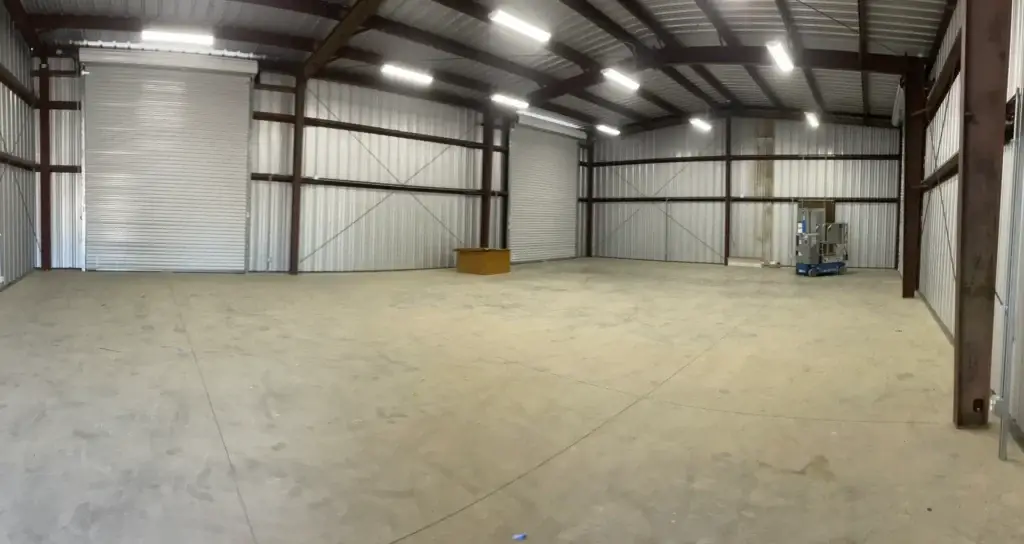
- Clear-Span Framing: Maximizes usable space without interior columns.
These features improve operational efficiency and usability for agricultural buildings.
How Do Steel Building Contractors in Northern California Support Project Design and Installation?
Local contractors provide essential services that ensure code-compliant design and quality installation.
Contractor services typically include:
- Design and Engineering Services: Structural expertise and code compliance guidance.
- Permit Processing Assistance: Help navigating local regulations and permitting.
- Quality Control Measures: Inspections and checks during manufacturing and installation.
Partnering with experienced contractors streamlines schedules and helps meet specifications.
What Local Building Codes and Seismic Requirements Impact Steel Construction in Northern California?
Thorough knowledge of local codes and seismic requirements is essential. California codes impose strict seismic safety measures, and frequent updates make continuing education important for professionals.
Which Seismic Compliance Standards Must Cold Formed Steel Buildings Meet?
Seismic compliance follows standards in the California Building Code:
- Seismic Forces Analysis: Assessments ensure structures withstand seismic forces.
- Design Specifications for Safety: Engineering requirements enhance resilience.
- Compliance Documentation Needs: Proper documentation supports inspections and approvals.
Meeting these standards influences planning and execution in seismic regions.
How Does Ibarra Construction Ensure Regulatory Compliance and Client Satisfaction?
Ibarra Construction emphasizes compliance and client satisfaction through coordinated project practices. Their approach includes:
- Permit Handling Process: Efficient permit management to avoid delays.
- Quality Control Checks: Material and workmanship verification.
- Client Involvement Approach: Keeping clients informed throughout the project.
This proactive management supports repeat business and referrals.
Frequently Asked Questions
What are the maintenance requirements for cold-formed steel buildings?
Maintenance is generally minimal: schedule inspections for corrosion-prone areas, verify joints and connections, and keep surfaces clean to reduce deterioration.
How does the cost of cold-formed steel compare to traditional building materials?
Cold-formed steel often yields lower lifecycle costs due to reduced material needs and durability, though initial prices vary with market conditions.
Are cold-formed steel buildings energy efficient?
Yes — they support high-performance insulation and optimized thermal assemblies that reduce energy use.
What types of insulation work best with cold-formed steel buildings?
Common options include fiberglass batts, spray foam, and rigid foam board; choice depends on performance needs, climate, and budget.
Can cold-formed steel buildings be easily modified or expanded?
The lightweight, robust framework simplifies future modifications and expansions compared with heavier systems.
What are the design advantages of using cold-formed steel for commercial projects?
Advantages include aesthetic flexibility, space efficiency, and clear-span designs that maximize usable interior space.
How do local building codes affect the construction of cold-formed steel buildings?
Local codes set structural, safety, and inspection requirements; in Northern California, seismic regulations are especially critical, so designs must comply with material and installation standards.
Conclusion
Cold-formed steel delivers durability, cost efficiency, and seismic resilience suited to Northern California. By recognizing its structural and energy advantages and working with experienced contractors, property owners can make informed decisions that improve project outcomes. Contact our team to discuss how cold-formed steel can enhance your next project.