
California property owners are navigating rising insurance costs as wildfire exposure, rising claims, and limited coverage options continue to affect homeowners and rural communities. The California FAIR Plan has been approved for a nearly 30% premium increase beginning in October 2026, adding pressure for property owners already facing higher fire insurance costs. Northern California rural properties can be particularly affected, especially those with barns, agricultural buildings, workshops, and equipment storage. As insurance costs rise, construction materials are becoming an important consideration. While no structure can eliminate wildfire risk, non-combustible materials can provide added protection. Cold-formed steel offers a durable alternative to traditional wood framing for new or replacement structures.
Fire insurance has become an increasingly important concern for California property owners as wildfires continue to affect communities statewide. Fire can threaten more than homes, including detached garages, barns, workshops, equipment storage areas, and other structures on rural and residential properties. As wildfire exposure grows, property owners are paying closer attention to coverage, premiums, and ways to protect their investments from losses better.
The California FAIR Plan serves as an insurer of last resort for eligible properties that may have difficulty securing coverage through the traditional insurance market. However, coverage, limits, exclusions, and requirements can vary by policy and provider. Property owners should review their coverage and speak with their insurance carrier to understand what protections are available for their home and other structures.
Wildfire risk is also influencing decisions about building materials. Traditional wood framing contains combustible materials, while cold-formed steel framing is non-combustible. Steel does not make a property fireproof, since wildfire exposure can also depend on vegetation, roofing, landscaping, nearby structures, wind, embers, and emergency access. Still, reducing combustible materials can matter. Property owners facing rising fire insurance costs may benefit from discussing fire-resistant construction options with a qualified contractor and insurer.
Cold-formed steel can support fire-conscious building strategies while offering durability and structural performance. For property owners considering insurance and wildfire exposure, several characteristics make steel worth evaluating. Understanding these benefits can help homeowners and rural property owners compare construction options, ask informed questions, and discuss possible insurance considerations with their carrier before starting a project or replacing older wood-framed structures on wildfire-prone properties across Northern California:
Cold-formed steel provides a non-combustible alternative to wood framing, making it relevant for properties facing wildfire concerns. Steel framing does not ignite like lumber, reducing combustible structural materials while supporting durable construction for properties and residential buildings.
Steel structures provide long-term performance and can help protect equipment, livestock, materials, and other valuable property. Proper engineering allows buildings to account for wind, seismic, structural, and site conditions, supporting dependable performance throughout their service life.
A steel building does not guarantee lower insurance premiums because carriers use different underwriting requirements. However, its non-combustible characteristics can help inform discussions about property improvements, wildfire risk, inspections, and insurance considerations with an insurance provider.
These benefits make cold-formed steel a practical option for property owners considering long-term protection.
Insurance policies and underwriting guidelines vary by carrier, so property owners should speak directly with their insurance provider before beginning a building project. Discussing the proposed steel structure in advance can clarify how non-combustible construction may affect property classification, inspection requirements, documentation, or potential premium considerations.
Property owners may want to ask their carrier:
Property owners should also confirm which engineering plans, material specifications, permits, photographs, and inspection records the carrier may need for review. Having complete documentation available can support a clearer conversation about how the building may be evaluated for insurance purposes.
Ibarra Construction supports insurance-conscious building projects by helping Northern California property owners plan steel structures around intended use, site conditions, structural requirements, and local permitting needs. The company works closely with ACT Building Systems, in business since the 1970s and still growing rapidly, and CECO Building Systems, another major name in the metal building industry. Key project considerations include:
Structures reflect dimensions, intended use, site conditions, structural needs, and applicable local permitting requirements.
Required permits and documentation support an organized construction process from planning through completion.
Foundation work, steel erection, and construction stages are coordinated to ensure proper project completion.
Engineering and construction records provide useful documentation for future property, construction, and insurance reviews.
Insurance carriers determine whether properties qualify for premium reductions or discounts. Ibarra Construction focuses on proper construction and maintaining documentation associated with completed structures.
Insurance carriers evaluate metal buildings differently, so property owners should ask questions before construction to understand possible insurance considerations clearly:
Savings are never guaranteed simply because a building uses steel materials. Early communication can clarify requirements before construction begins or improvements are completed. Proper documentation can support informed discussions about potential insurance considerations.
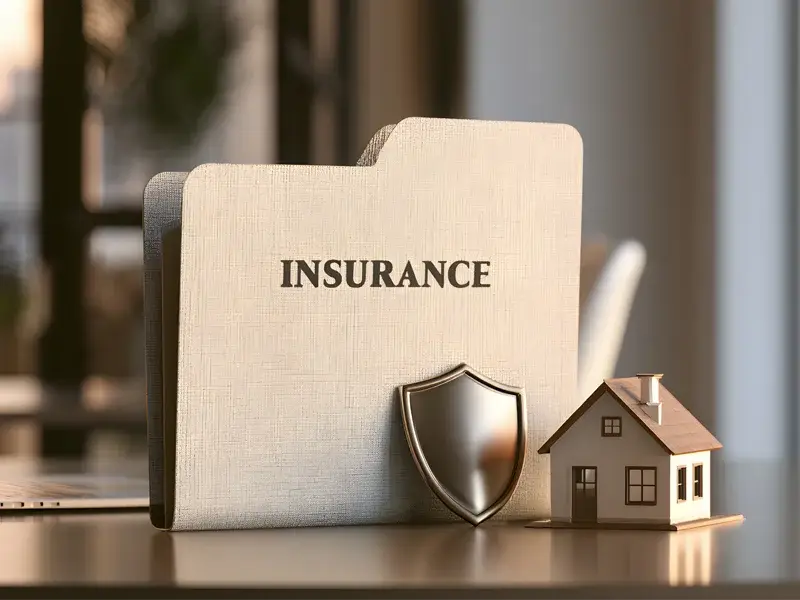
Insurance planning is increasingly important for Northern California property owners facing rising premiums and wildfire concerns. Buildings such as barns, shops, and agricultural structures support valuable equipment, livestock, and materials. Cold-formed steel offers a durable alternative that reduces combustible structural materials while supporting agricultural, residential, equestrian, and commercial needs. Considering construction materials early can help property owners develop informed insurance strategies.
Organized building records can help property owners prepare for insurance reviews as rates and requirements change. For steel structures, documentation can show construction details and improvements. Useful records include:
Ibarra Construction can provide information for insurance review. Accurate records help insurers evaluate properties, but they don’t guarantee discounts.
Before construction begins, property owners should discuss building materials with their insurance carrier and ask whether non-combustible construction may affect eligibility for discounts or reduced premiums. Requirements vary by insurer and policy, so proper documentation is important. Contact Ibarra Construction to discuss durable cold-formed steel building options and plan a project suited to your property’s needs.
Get Started Today
Get Your Free Quote