Innovative Construction Materials for Modern Projects
In the ever-evolving landscape of construction, innovative materials play a crucial role in enhancing project efficiency and sustainability. Modern construction often incorporates materials like engineered wood, recycled steel, and eco-friendly composites that not only improve structural integrity but also reduce environmental impact.
For instance, using insulated concrete forms (ICFs) can significantly increase energy efficiency in buildings, while sustainable materials like bamboo and reclaimed wood offer both aesthetic appeal and lower carbon footprints. Understanding these options allows clients to make informed decisions that align with contemporary building standards and practices.
The Importance of Site Development in Construction Projects
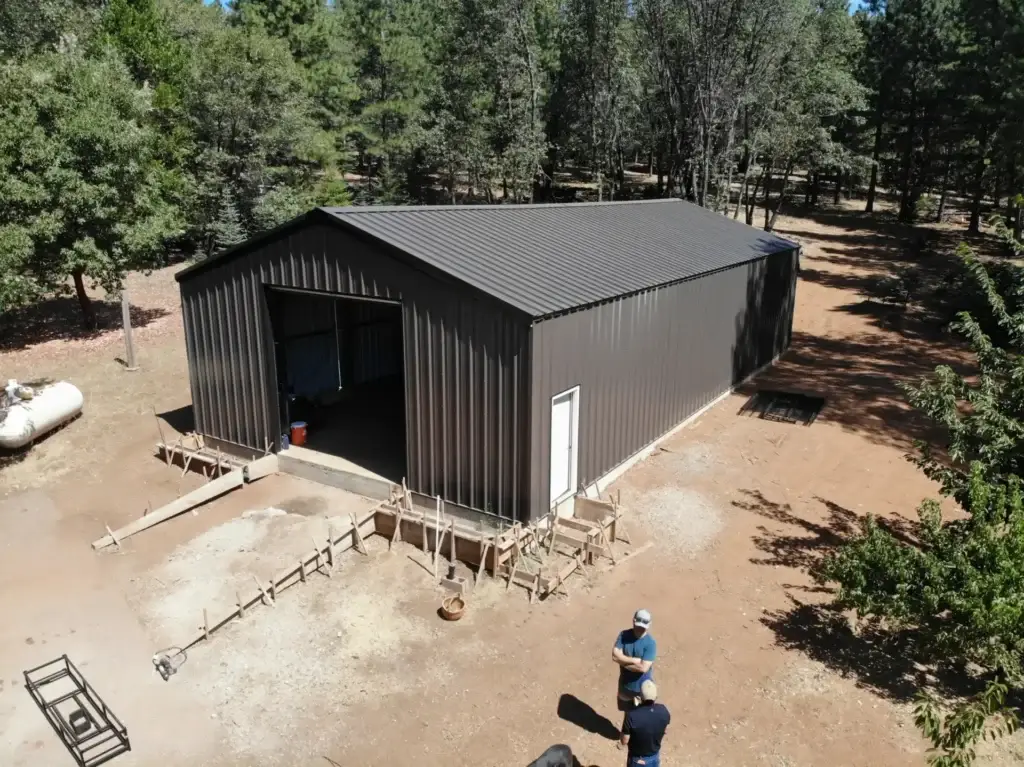
Site development is a foundational aspect of any construction project, influencing everything from design to execution. Proper site preparation ensures that the land is ready for construction, addressing factors such as grading, drainage, and utility access to create a solid base for the building.
For example, inadequate site development can lead to issues like flooding or structural instability, which can significantly delay projects and increase costs. Engaging professionals who specialize in site development can help mitigate these risks and ensure that the project adheres to local zoning laws and regulations.
Renovation vs. New Construction: Making the Right Choice
Deciding between renovation and new construction is a critical choice for property owners, each option presenting unique advantages and challenges. Renovation can often be more cost-effective and less time-consuming, allowing homeowners to preserve the character of their property while upgrading its functionality.
On the other hand, new construction offers the opportunity to create a space tailored to specific needs and preferences, incorporating modern design and energy-efficient technologies. Evaluating the condition of the existing structure, budget constraints, and long-term goals is essential in making the best decision for your project.
Understanding Construction Project Timelines and Milestones
Construction project timelines are essential for keeping projects on track and ensuring that all stakeholders are aligned. Understanding the key milestones—from initial planning and permitting to the final inspection—can help clients manage expectations and communicate effectively with contractors.
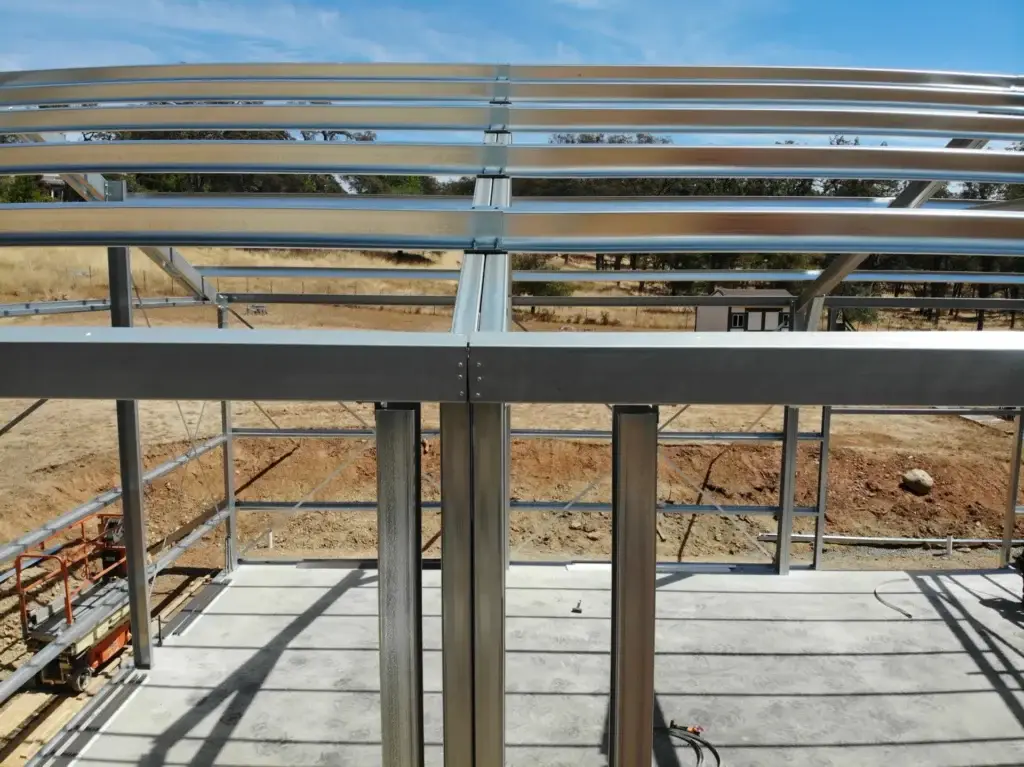
For example, a typical residential construction project may include stages like site preparation, foundation work, framing, and finishing. Each phase requires careful scheduling and coordination to avoid delays, and being aware of these timelines allows clients to better plan their move-in dates and budget accordingly.