
Custom Horse Arena Designs for Every Need: Expert Covered Horse Arena Construction and Installation Services
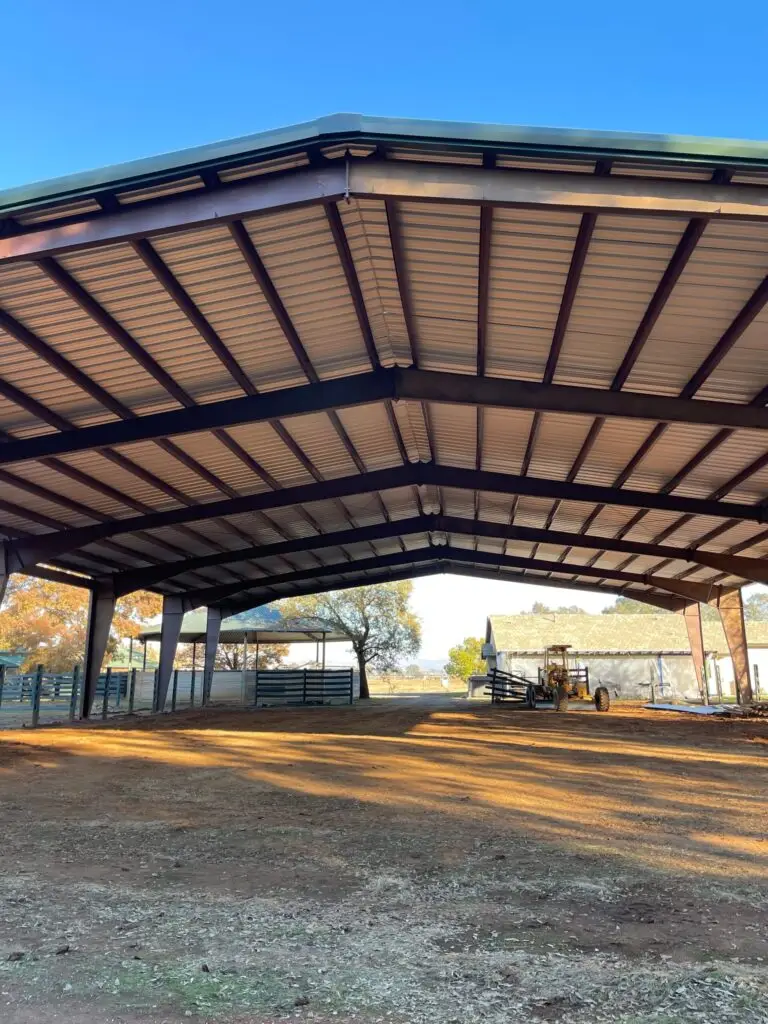
Custom horse arenas create a controlled, year‑round environment for training and events. Covered arenas require careful planning to balance structural durability, footing performance, drainage, and operational systems. This article summarises design choices, material options, owner benefits, and the construction workflow, and highlights Ibarra Construction’s experience delivering tailored arenas across Northern California.
Ask AI About This Guide
Opens your AI assistant with a question ready to send.
Custom Covered Horse Arena Construction and Design
Designs are tailored to each facility’s discipline and use. Key customizable elements include dimensions, layout, and integrated systems (lighting, ventilation, audio). Indoor arenas need precise measurements for dressage or jumping; outdoor rings prioritise surface and drainage.
Tailored Solutions for Specific Riding Disciplines
Dressage, jumping, and general training each demand different clearances and footing characteristics. Ibarra Construction incorporates discipline‑specific dimensions and footing recommendations to optimise safety and performance.
Customization Options for Size and Layout
Sizes range from compact training rings to full competition venues. Custom planning adapts the arena footprint to site constraints while maximising usable area and circulation.
Optional Features for Improved Functionality
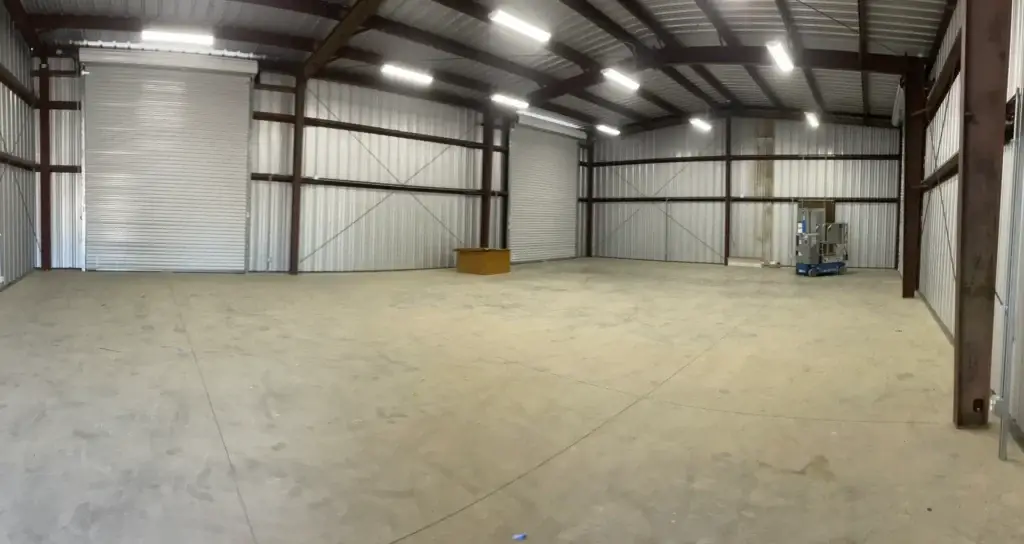
Optional systems—engineered LED lighting, passive and active ventilation, and integrated audio—extend hours of use and improve air quality and event capability. Ibarra specifies and installs these systems as required.
Available Materials
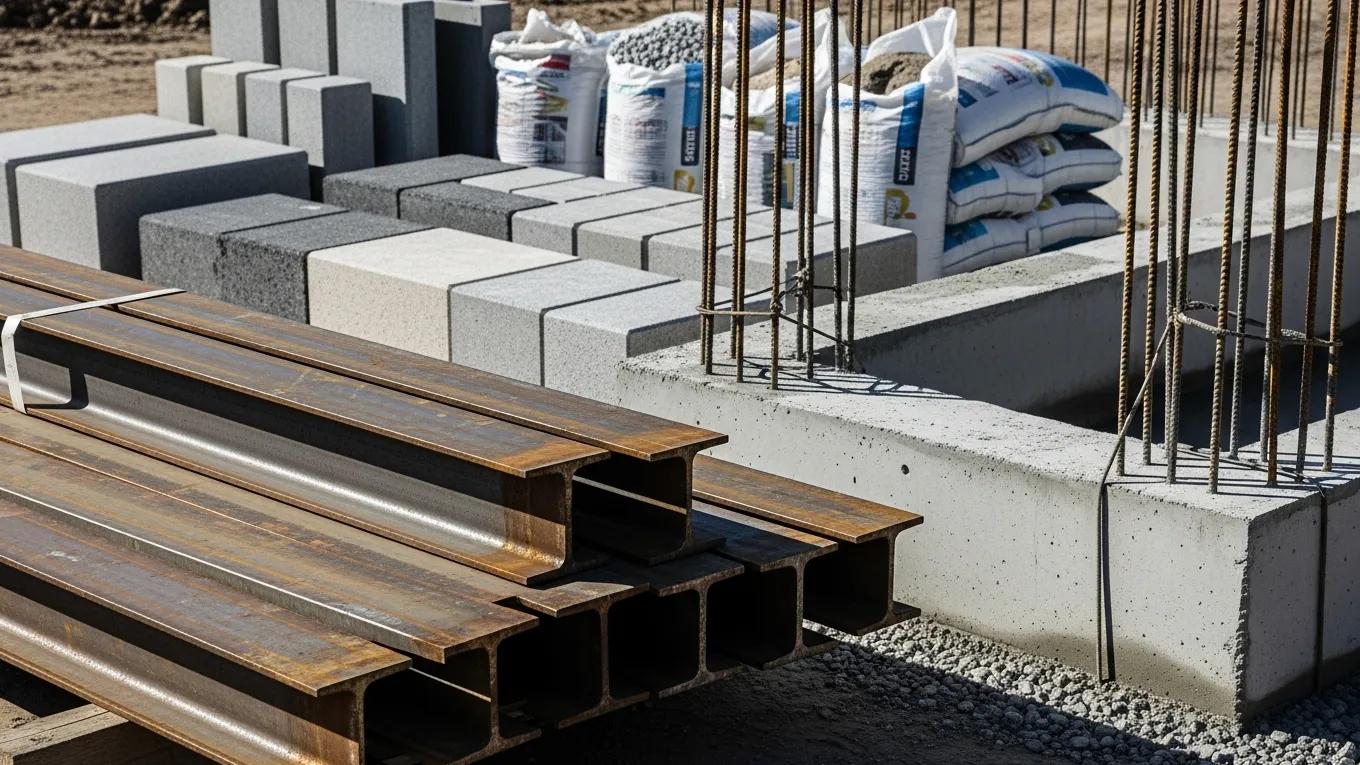
Material choice drives longevity. High‑grade steel frames on reinforced concrete foundations are common for structural stability and low lifecycle maintenance. Ibarra sources materials that meet industry standards and client expectations.
High-Grade Steel Structures
Steel offers high load capacity and environmental resistance, providing a durable shell suitable for heavy use and large clear spans.
Concrete Foundations
Engineered foundations ensure even support for the structure and footing, contribute to drainage performance, and reduce settlement risk over time.
Warranties on Select Buildings
Ibarra Construction provides warranties on eligible structures to reinforce client confidence in build quality and material performance.
Benefits for Horse Owners
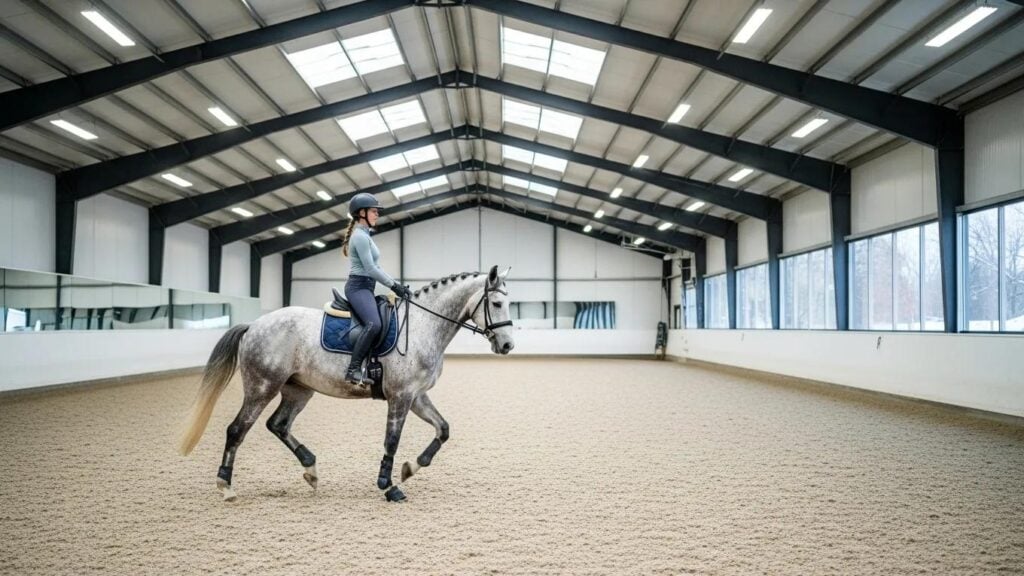
Covered arenas offer year‑round training, a safer controlled surface, and potential property value gains.
Year-Round Riding Opportunities
Covered arenas enable consistent training schedules regardless of weather, supporting steady rider and equine development.
Safe and Controlled Environment
Custom arenas manage surface quality and reduce risks associated with outdoor conditions—mud, uneven ground, and severe weather.
Increased Property Value
A professionally engineered arena is a tangible asset that can enhance marketability and long‑term property value.
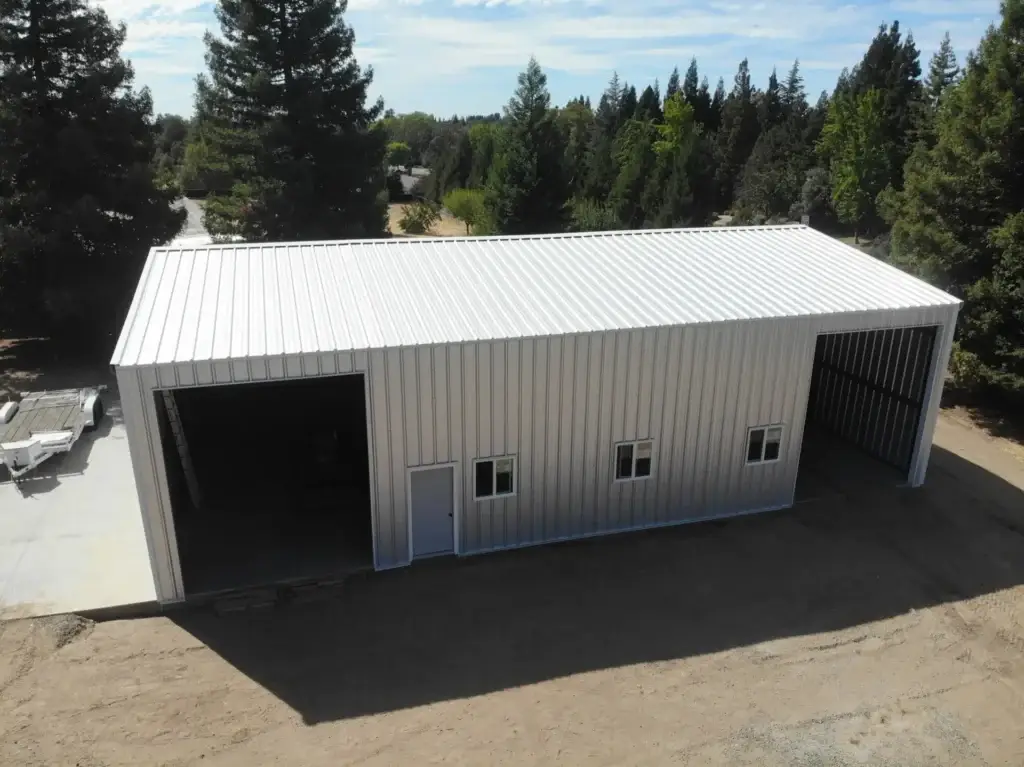
For owners seeking covered solutions, Ibarra Construction specialises in custom metal building solutions tailored for Northern California conditions.
Construction Process
The project follows defined phases: consultation, site assessment, permitting, grading, foundation, erection, and finishing. Clear communication and planning are emphasised throughout.
Free Consultation and Site Assessment
A no‑cost consultation evaluates objectives, constraints, and site conditions to inform design and accurate budgeting.
Permit Processing and Grading
Ibarra manages permits and grading to establish proper drainage and foundation stability, reducing client administrative burden.
Daily Communication with Clients
Regular updates keep clients informed on progress, schedules, and any issues that arise during construction.
What Are the Key Benefits of Custom Covered Horse Arena Construction?
Custom covered arenas combine cost efficiency, flexible design, and improved usability to support safe, reliable equestrian operations.
Cost-Effectiveness
Purpose‑built arenas avoid costly retrofits and, when built with durable materials, lower long‑term maintenance costs.
Design Flexibility
Custom layouts and optional systems allow the facility to evolve for training, competition, or events.
Enhanced Usability
Proper footing, ventilation, and lighting improve comfort, safety, and daily productivity for horses and riders.
How Do Metal Structures Enhance Durability and Longevity?
Metal structures deliver strength and longevity when combined with corrosion protection and quality construction practices.
Material Strength and Corrosion Resistance
High‑grade steel provides tensile strength and, with appropriate coatings, resists environmental corrosion to reduce repairs.
Low Maintenance Needs
Metal frameworks, when detailed correctly, generally require less routine upkeep than untreated timber structures.
Warranties on Metal Structures
Warranties reflect Ibarra’s commitment to durable, client‑focused solutions and provide additional assurance.
Why Choose Custom Designs Tailored to Northern California Conditions?
Regional climate variation—hot, dry summers and wet winters—requires designs that manage heat, moisture, and runoff to protect comfort and functionality.
Environmental Considerations
Designs must account for seasonal extremes to maintain surface performance and user comfort.
Design Adaptations for Local Conditions
Common adaptations include robust drainage, appropriate roof and wall detailing, and ventilation strategies to mitigate heat.
Successful Implementations in the Region
Ibarra Construction’s regional projects demonstrate practical experience in adapting designs to local climate and site constraints.
Which Design and Material Options Are Available for Metal Horse Arena Builders?
Clients can select from a range of materials, layouts, and accessory systems to balance performance and budget goals.
Best Metal Materials for Construction
High‑grade structural steel is commonly used for frames; finishes and coatings are selected based on exposure and maintenance expectations.
Customization Options for Designs
Layout, clear span, eave heights, doors, and overhangs are configured to the client’s discipline and use cases.
Safety Features in Construction
Appropriate footing systems, secure perimeters, and structural integrity measures are incorporated to protect horses and riders.
How Can Lighting and Drainage Solutions Be Customized?
Lighting and drainage are configured to the site and activities to ensure usable, safe surfaces and clear visibility.
Importance of Proper Lighting
Even, energy‑efficient lighting reduces shadows and improves visibility for evening use and events.
Drainage Solutions for Arenas
Engineered drainage prevents saturation, preserves footing performance, and is sized to local hydrology.
Customization for Specific Needs
Ibarra specifies systems that meet operational demands and local conditions for reliable arena performance.
How Does the Construction Process for Indoor Horse Arena Contractors Work?
Indoor arena projects move through consultation, permitting, grading, foundation, structural erection, and finish work with quality checks at each stage.
Steps from Consultation to Installation
Ibarra manages design, site prep, permits, foundation work, steel erection, roof and wall installation, and finish systems to deliver a turnkey facility.
Importance of Site Assessment
Site evaluation informs foundation design, drainage, and access planning to avoid construction pitfalls.
Daily Updates During Construction
Regular progress reports keep the client informed and support timely decision making.
How Is Arena Footing Selected and Installed for Optimal Performance?
Footing selection balances traction, cushioning, drainage, and maintenance. Proper installation and routine care preserve performance and safety.
Importance of Proper Footing
Correct footing reduces injury risk and supports consistent performance across disciplines.
Installation Techniques
Precise grading, uniform material distribution, and controlled compaction produce an even, predictable surface.
Maintenance of Arena Footing
Routine grooming, moisture control, and periodic replenishment sustain footing quality and extend service life.
Indoor equine arenas constitute specialised infrastructure investments at equine farms and facilities; they serve as semi‑indoor spaces for exercise and competitive events.
Improving Indoor Equine Arenas: Investment, Design, and Environmental Factors
Equine indoor arenas represent specialised infrastructure at farms and facilities. These semi‑indoor spaces support exercise, skill exhibition during competitions, and other equine activities. They do not always include mechanical ventilation or stirring fans, and occupancy by horses and humans can be irregular, which complicates the prediction of airflow. Typically, indoor arenas employ sand‑based footing; hoof impact often generates dust within the facility.
Improving Indoor Arenas for the Equine Industry, S McGill, 2023
What Should Property Owners Know About Cost and Maintenance of Custom Equestrian Arena Designs?
Understanding cost drivers and ongoing maintenance helps owners make informed investment choices and plan lifecycle budgets.
Factors Influencing Cost
Size, materials, foundation type, and custom features are primary cost drivers. Ibarra provides itemised estimates to clarify options and tradeoffs.
Maintenance Practices
Regular inspections, footing care, and timely attention to corrosion or seal failures preserve performance and reduce repair costs.
Long-Term Savings
Investing in quality materials and proper construction reduces long‑term maintenance and replacement expenses.
How Is the Cost Estimated for Covered Horse Arena Projects?
Estimates reflect arena size, design complexity, foundation requirements, site conditions, and selected custom options.
Size and Design Complexity
Larger spans, higher eaves, and intricate features increase material and labour requirements.
Foundation Type and Site Conditions
Soil, slope, and drainage needs affect foundation design and cost estimates.
Customization Options
Clients prioritise features (lighting, ventilation, doors, finishes) to balance performance with budget.
What Are Recommended Maintenance Practices to Ensure Longevity?
Scheduled upkeep preserves structural and footing performance and avoids costly repairs.
Regular Inspections
Inspect high‑stress and high‑traffic areas routinely to catch wear early.
Addressing Rust and Seal Failures
Promptly repair corrosion and failed sealants on metal elements to maintain structural integrity.
Budgeting for Upkeep
Set aside an annual maintenance budget to cover routine tasks and minor repairs.
Frequently Asked Questions
What are the key considerations when selecting a location for a horse arena?
Choose a site with good access, suitable ground conditions, manageable drainage, and appropriate sunlight and wind exposure to reduce construction complexity and improve comfort.
How can I ensure my horse arena meets safety standards?
Specify appropriate footing, effective ventilation, secure perimeters, and engage experienced builders to meet codes and best practices; perform regular inspections.
What types of lighting solutions are available for horse arenas?
LED floodlighting and adjustable schemes provide even illumination for events and training; outdoor arenas may use solar or hybrid solutions depending on site constraints.
What maintenance practices are essential for preserving arena footing?
Regular grooming, monitoring compaction, moisture control, and periodic material replenishment will keep footing consistent and safe.
How do I choose the right footing material for my horse arena?
Select footing based on discipline, climate, and budget. Common options include sand, rubber, and fibre blends; consult experts to match performance and maintenance needs.
What are the benefits of incorporating ventilation systems in indoor arenas?
Ventilation improves air quality, reduces humidity and particulates, and helps regulate temperature—supporting equine and human health year‑round.
Conclusion
Custom horse arenas are strategic investments that provide year‑round usability, improved safety, and design flexibility. With regional experience in Northern California, Ibarra Construction delivers durable, code‑compliant arenas and supports owners from planning through maintenance. Contact Ibarra Construction to discuss a custom solution tailored to your operation.