
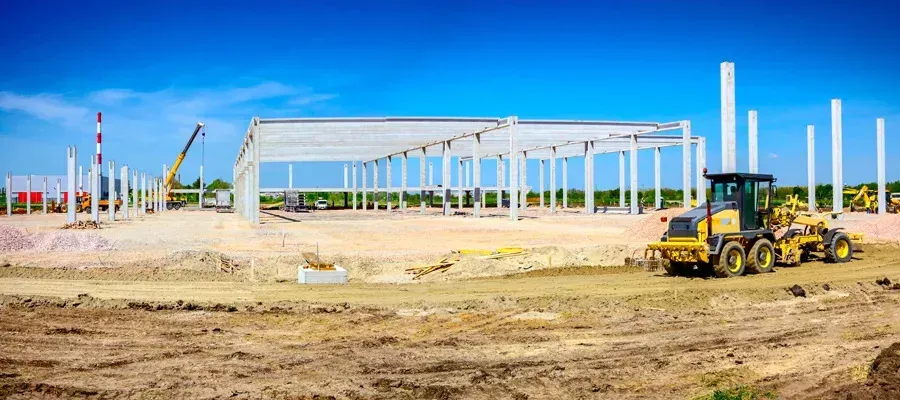
Understanding the Metal Building Construction Timeline: How Long Does a Metal Building Project Really Take?
Project timelines for metal buildings depend on project size, design complexity and local regulatory requirements. This guide summarises the standard phases, typical durations and the main variables that influence schedule performance so owners and managers can set realistic expectations.
Key Phases of Metal Building Construction
Metal building projects move through a sequence of phases that determine schedule, quality and compliance. Understanding each phase helps clients plan resources and reduce delay risk.
Initial Consultation and Planning
This stage defines objectives, scope and preliminary designs. Timelines vary by complexity; clear, prompt decisions at this point reduce later revisions and save time.
Permitting
Permitting is often on the project’s critical path and can take weeks to months, depending on jurisdiction and application completeness. Proactive submissions and early agency engagement shorten review cycles.
Streamlining Permitting: Key to Faster Construction Projects
The research finds that licensing, insurance and bonding establish legal and commercial credibility, but the permitting process is the primary source of project delay. Respondents described permitting as complex, inconsistent across jurisdictions and a common cause of schedule overruns, and recommended more efficient, transparent and standardised permitting procedures.
How Regulations Impact Contractors in California: Licensing, Insurance, Bonding & Permitting, 2025
Site Preparation
Site preparation covers clearing, grading and any earthworks required to set the building footprint. Duration depends on soil, topography and site constraints; proper preparation reduces downstream risks to foundations and erection.
Foundation Installation
Foundation work—excavation, forms, reinforcement and concrete—typically takes days to a week for standard foundations, longer for complex or remedial conditions.
Metal Building Installation
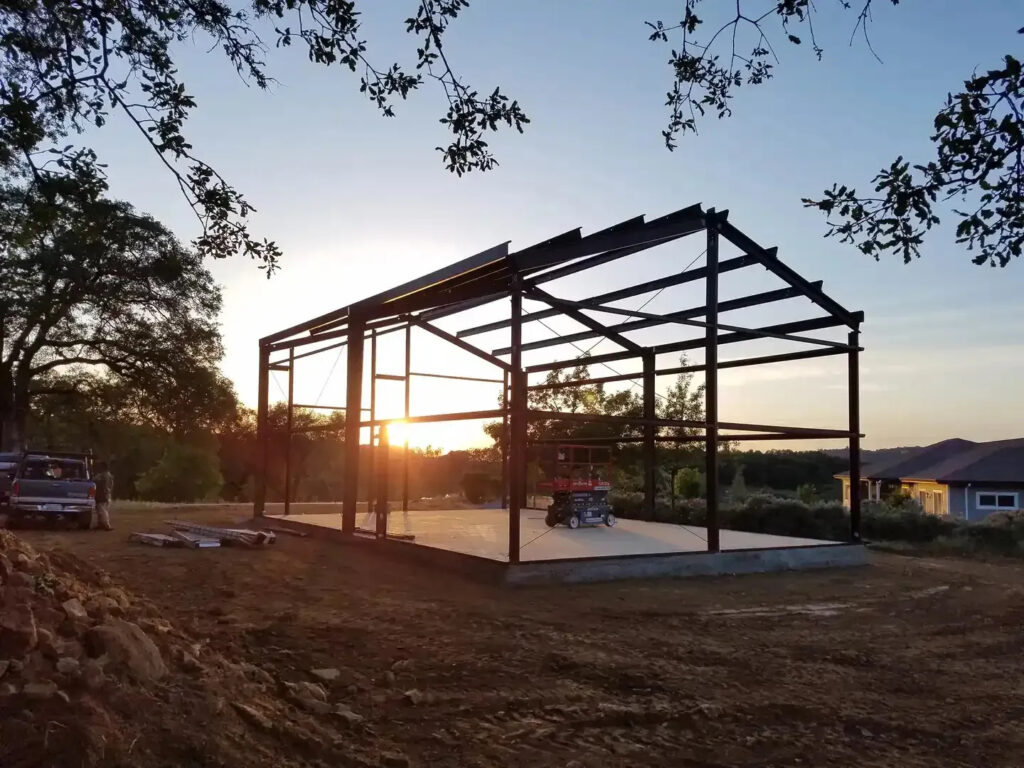
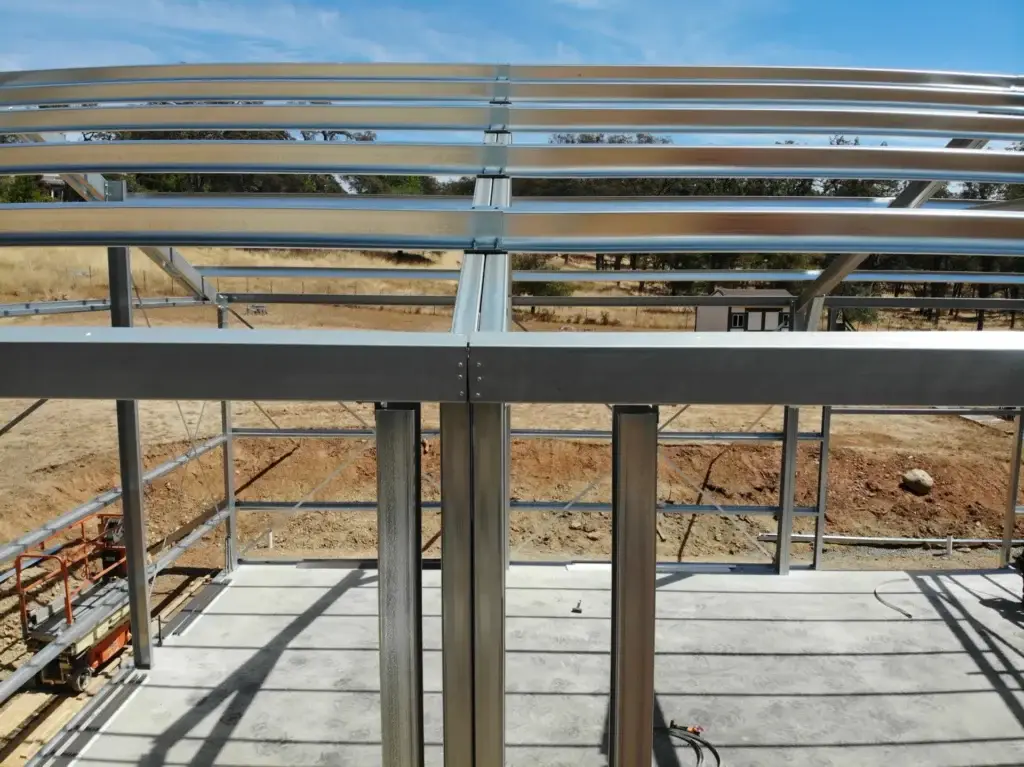
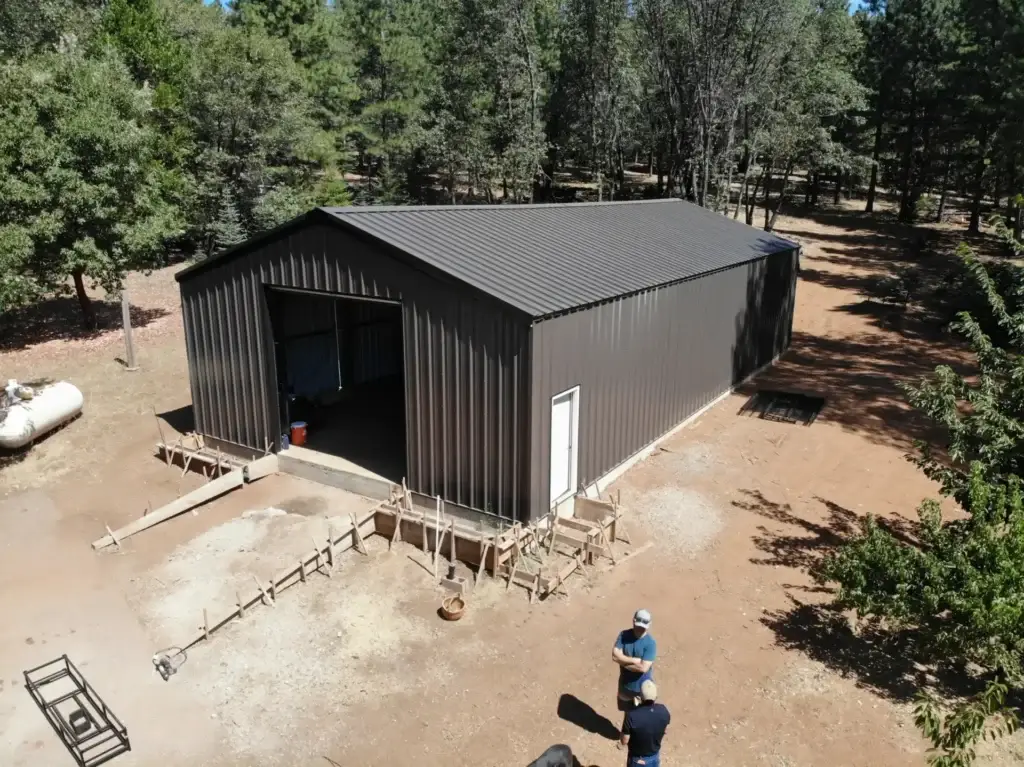
Erection includes primary frame assembly, secondary framing, roofing and cladding. Time depends on building size, design complexity and site logistics; custom or large builds require more time.
Final Inspections and Walkthrough
Final inspections and client walkthroughs verify code compliance and design conformance. This closeout step usually takes a few days and is needed for occupancy approvals.
How Long Does Metal Building Construction Take? A Timeline Guide
Smaller metal building projects commonly finish in about 4–8 weeks; larger, more complex builds often take three to six months, with permitting and site conditions as common extension factors.
| Phase | Typical Duration |
|---|---|
| Initial Consultation and Planning | 1-2 weeks |
| Permitting | 2 weeks to several months |
| Site Preparation | 1-3 weeks |
| Foundation Installation | 3-7 days |
| Metal Building Installation | 2-8 weeks |
| Final Inspections | 1 week |
The table summarises expected durations for primary phases to aid planning and scheduling.
Factors Influencing the Timeline
Several key factors influence total duration; identifying and mitigating them during planning improves schedule certainty.
- Design Complexity : More intricate designs require extra coordination and time.
- Permitting Process Delays : Incomplete or slow permit reviews can extend schedules substantially.
- Weather Conditions : Adverse weather can pause critical outdoor work.
- Material Availability : Lead times and shortages, especially for custom items, affect progress.
Ibarra Construction offers planning and coordination services to mitigate these constraints and improve schedule performance.
Tips for Effective Project Management
Apply structured project management to control schedule, cost and quality throughout the build.
- Clear Communication : Keep open lines with contractors and stakeholders to resolve issues quickly.
- Set Realistic Timelines : Base schedules on typical phase durations and the project’s complexity.
- Regular Check-Ins : Hold frequent progress reviews and adjust plans as needed.
These practices help track progress, resolve problems and improve the chance of on-time completion.
Accelerating Project Timelines with Modular Construction
Modular construction methods show measurable schedule benefits by shifting work to controlled off-site environments. Studies indicate these methods can accelerate project timelines by 20–50 percent versus traditional site-built approaches, while also improving quality control and reducing site waste.
Impacts of Construction Timelines on Generation Availability, 2025
What Are the Key Phases in a Metal Building Project Timeline?
The main phases are initial consultation, permitting, site preparation, foundation work, metal building erection and final inspections. Delays in any phase often affect subsequent stages, so coordinated planning is essential.
How Does Project Planning and Design Influence the Timeline?
Thorough planning and clear documentation shorten review cycles and reduce change orders. Early coordination with designers and engineers helps avoid late-stage rework and schedule slips.
What Is the Typical Duration for Permitting and Approvals in Northern California?
In Northern California, permits can take a few weeks to several months depending on the authority and project details. Early agency engagement and complete submissions help minimise delays.
How Long Does Foundation Preparation and Site Work Take?
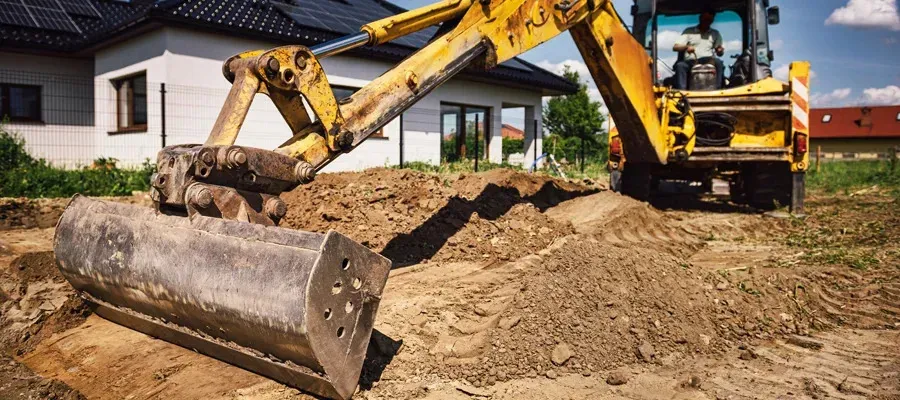
Foundation preparation and site works typically span several weeks. Soil conditions, drainage needs and existing site improvements directly affect the schedule and should be evaluated early.
What Are the Steps Involved in Foundation and Site Preparation?
Typical steps are clearing, grading and laying the foundation per engineering specifications.
- Clearing the Site : Remove structures and vegetation.
- Grading the Land : Level and shape ground for drainage and stability.
- Laying the Foundation : Pour concrete and verify it meets specifications.
Completing these steps correctly establishes a stable base and supports long-term performance.
How Do Local Conditions Affect Foundation Work Duration?
Soil type, groundwater and weather affect excavation and foundation schedules. Hard or unstable soils and severe weather require remediation or pauses, so early assessment reduces schedule risk.
What Is the Expected Timeframe for Metal Building Delivery and Erection?
Delivery and erection times depend on size and configuration. Small buildings often deliver and erect in 4–8 weeks; larger projects may take three to six months. Coordinated logistics and supplier engagement improve on-time delivery.
How Long Does the Steel Building Construction and Erection Phase Usually Last?
The erection phase usually spans several weeks, covering frame assembly, roof installation and cladding. Efficient sequencing and contractor coordination increase productivity.
What Factors Can Accelerate or Delay the Erection Process?
Timely material delivery, simple design details and favourable weather accelerate erection. Procurement planning and sequencing reduce the chance of stoppages.
- Design Complexity : Complex assemblies take longer to assemble.
- Material Availability : Delays in delivery slow progress.
- Weather Conditions : Bad weather can halt outdoor erection.
Proactive procurement, contingency planning and weather-aware scheduling mitigate these risks.
Which Factors Most Influence the Overall Metal Building Construction Duration?
Project size, design complexity, permitting timelines and site-specific conditions are the main drivers. Address these early to improve predictability.
How Do Weather and Material Availability Impact Project Timelines?
Weather interruptions and material shortages are common risks; forecast-aware scheduling and supplier diversification help maintain continuity.
What Are the Timeline Considerations for Custom Metal Building Projects?
Custom projects need additional time for bespoke design, engineering and permitting. Plan longer lead times and maintain close coordination with the construction team.
Frequently Asked Questions
What are the common challenges faced during the permitting process for metal buildings?
Common challenges include inconsistent rules across jurisdictions, lengthy review cycles and multiple approvals. Early engagement and professional permitting support improve approval likelihood.
How can clients effectively manage delays in their metal building projects?
Manage delays by keeping frequent communication with contractors, tracking milestones and using contingency plans. Prompt decisions help keep schedules on track.
What role does weather play in the construction timeline of metal buildings?
Weather affects excavation, concrete work and erection. Schedule around seasonal patterns and include buffers for adverse conditions.
How does the size of a metal building affect the construction timeline?
Larger buildings require more site work, foundation effort and erection time. Smaller projects commonly finish in 4–8 weeks; larger ones often need three–six months.
What are the benefits of modular construction in metal building projects?
Modular methods reduce on-site time by shifting fabrication off-site, improving quality control and predictability while reducing weather exposure.
How can clients ensure timely delivery of materials for their metal building projects?
Ensure timely delivery by placing orders early, securing clear supplier agreements and maintaining alternative sourcing for critical items.
What should clients know about final inspections and obtaining occupancy permits?
Final inspections confirm code compliance and are required for occupancy. Complete documentation and resolve punch-list items before inspection to expedite approval.
Conclusion
Understanding phases, durations and influencing factors is essential to managing metal building projects successfully. Advance planning, professional coordination and proactive risk control increase the likelihood of on-schedule delivery.