
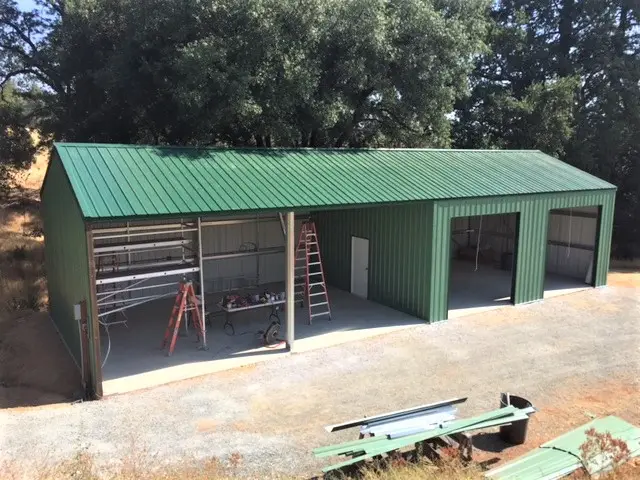
Custom Cold Formed Steel Construction Services in Northern California: Expert Solutions for Commercial and Agricultural Projects
Custom cold formed steel construction provides a durable, adaptable solution for commercial and agricultural projects across Northern California. Contractors and owners prioritise code compliance, cost control, and long service life. This article summarises the material benefits, typical applications, and the services firms such as Ibarra Construction provide for planning and delivery.
Ask AI About This Guide
Opens your AI assistant with a question ready to send.
Types of Services Offered
Ibarra Construction delivers a suite of custom cold formed steel services designed to meet operational requirements and regulatory obligations. Core services include:
- Custom Design for Specific Operational Needs: Ensuring that each project meets the unique requirements of the client.
- Site Preparation, Including Grading and Excavation: Laying a strong foundation is crucial for any steel structure.
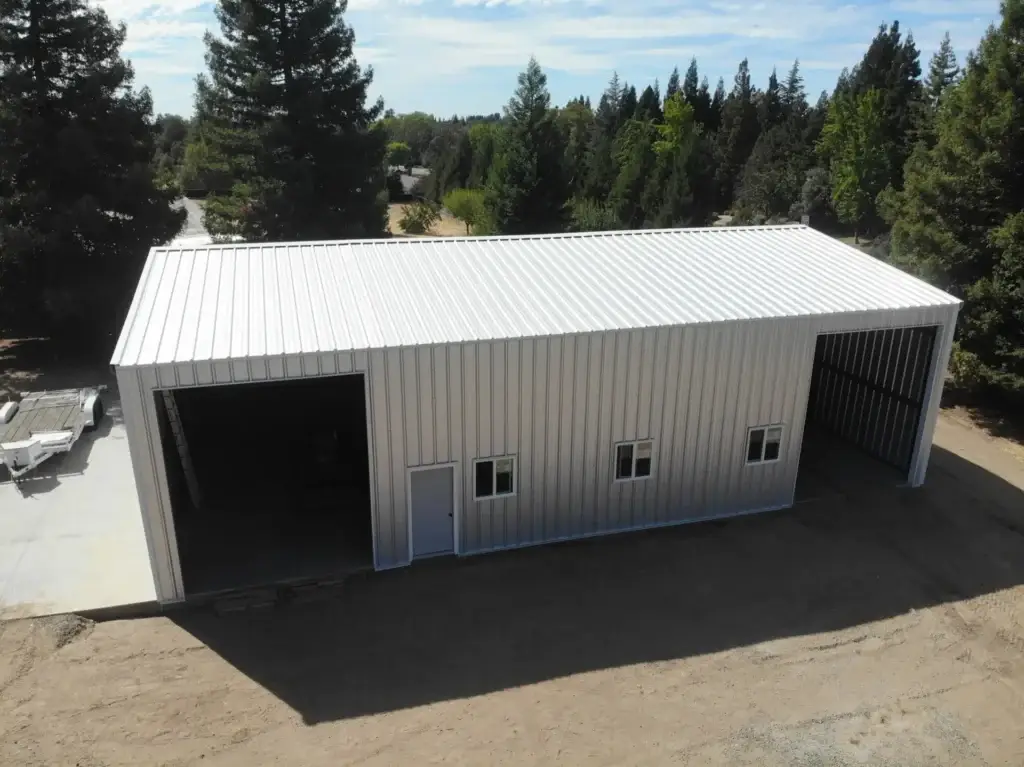
- Metal Building Installation: Expertise in erecting robust metal frameworks.
- Permit Processing Assistance: Helping clients navigate regulatory requirements for their projects.
- Specialized Barn Construction Services: Designing and building durable barns suitable for various agricultural uses.
Ibarra Construction coordinates these services to provide integrated delivery, maintaining timelines, quality control, and compliance.
Benefits of Using Cold Formed Steel in Construction
Cold formed steel offers measurable advantages compared with traditional materials. Its material properties and fabrication methods support efficient construction, reduced waste, and predictable performance. Key benefits include:
- Cost Efficiency of Materials: Cold formed steel can be less expensive than wood and other materials, reducing overall project costs.
- Durability and Resistance to Environmental Factors: Steel framing provides superior strength and resilience against natural elements.
- Seismic Resilience in Earthquake-Prone Areas: Cold formed steel structures are designed to withstand seismic activity, making them ideal for Northern California.
- Sustainability and Recyclability: Steel is a sustainable material that can be reused and recycled, supporting eco-friendly construction.
- Design Flexibility for Various Applications: The lightweight nature of cold formed steel allows for intricate designs that can meet diverse architectural needs.
These traits make cold formed steel a strategic choice for owners seeking reliable performance, lower lifecycle costs, and reduced environmental impact.
| Benefit | Description | Impact Level |
|---|---|---|
| Cost Efficiency | Optimized material usage reduces project expenses | High |
| Durability | Superior strength enhances longevity and minimal maintenance | High |
| Seismic Resistance | Engineered for stability during earthquakes | High |
| Sustainability | Highly recyclable, minimizing environmental impact | Medium |
| Design Flexibility | Supports diverse architectural styles and needs | High |
The table shows how cold formed steel contributes to resilient, low‑maintenance structures addressing cost, durability, and sustainability.
Custom Cold-Formed Steel Services for Northern California Projects
Cold formed steel is suitable for a broad range of uses, with particular strength in agricultural and commercial projects that require durable, economical framing solutions.
- Examples of Agricultural Structures: These include barns, storage facilities, and greenhouses that all benefit from the durability and flexibility that cold formed steel offers.
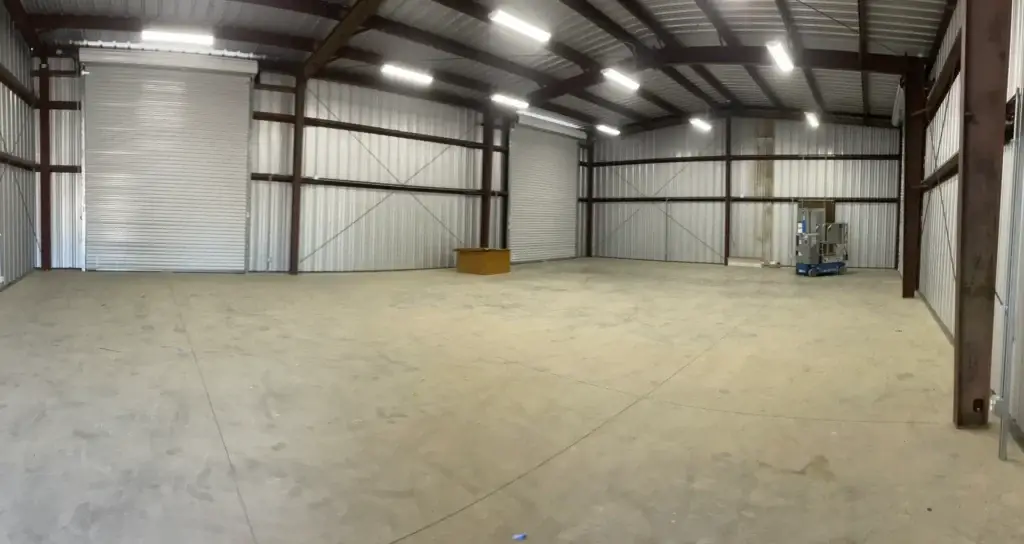
- Commercial Buildings: Cold formed steel is also used in creating workshops, warehouses, and retail spaces, providing reliable structural support.
Specifying cold formed steel helps designers meet operational needs while managing material costs and environmental impacts.
Sustainable Livestock Building Construction
This chapter examines how environmental concerns, climate change, and heightened animal welfare expectations are reshaping livestock building design. It evaluates sustainable construction solutions that reduce greenhouse gas emissions and energy use while improving animal well-being, and it compares traditional and modern methods—masonry, steel, and timber—on adaptability, efficiency, and environmental impact.Sustainable Livestock Buildings with Respect for Animal Welfare Principles, 2024
What Are the Key Advantages of Cold Formed Steel Framing for Northern California Projects?
Cold formed steel framing addresses the specific challenges of Northern California by combining weather resistance, cost-control potential, and compliance with environmental and seismic regulations. These characteristics contribute to increased adoption among local owners and developers.
How Does Cold Formed Steel Ensure Durability and Seismic Resistance?
Cold formed steel achieves durability and seismic performance through engineered section properties, pre‑engineered connections, and controlled fabrication tolerances. Proper detailing of load paths and corrosion protection extends service life and reduces vulnerability to rot and pests, improving long‑term structural reliability.
Why Choose Cold Formed Steel Over Traditional Construction Materials?
When compared with wood or concrete, cold formed steel offers distinct advantages: it resists warping and shrinkage, reducing rework; it endures extreme weather with less degradation; and it permits design adaptation to client specifications, supporting custom architectural solutions.
What Is the Custom Design and Fabrication Process for Steel Structures in Northern California?
The custom design and fabrication workflow begins with code review and site assessment, followed by collaborative design development and engineering to meet functional and aesthetic criteria. Fabrication is then coordinated to align shop drawings, material procurement, and on‑site assembly sequences.
Which Steps Are Involved from Initial Consultation to Project Completion?
Project delivery follows defined milestones: an initial consultation to establish scope and objectives; design and engineering phases to produce compliant plans and specifications; and final inspections and handover to confirm the project meets quality and safety standards.
What Types of Commercial and Agricultural Steel Structures Does Ibarra Construction Build?
Ibarra Construction delivers agricultural steel buildings, commercial structures, and bespoke equestrian facilities, each specified to address environmental protection, operational efficiency, and user requirements.
- Agricultural Steel Buildings: Designed for environmental protection and efficient utilization of space.
- Commercial Structures: Created to support operational efficiency and business growth.
- Customized Equestrian Facilities: Tailored to meet the unique demands of the equestrian community.
These types show cold formed steel’s adaptability to diverse client needs.
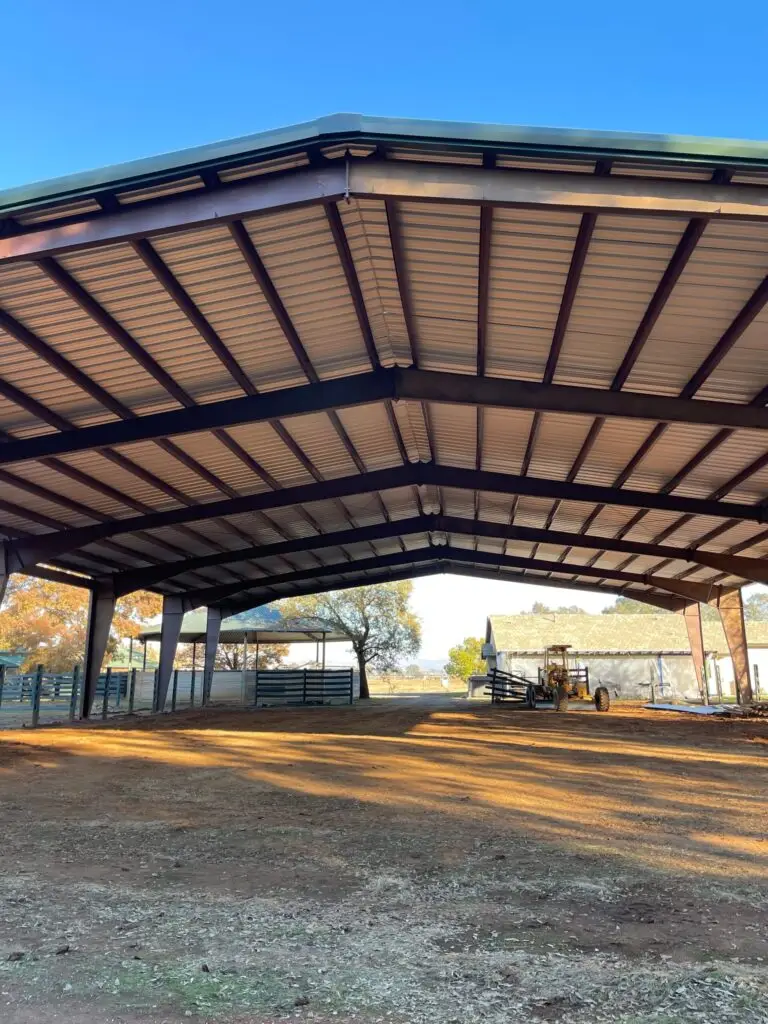
What Are Covered Horse Arenas and Their Steel Construction Requirements?
Covered horse arenas require durable materials and thoughtful design to support ventilation, lighting, and appropriate load capacities. Selection of quality steel, attention to ventilation and illumination, and strict adherence to applicable codes ensure safe, functional arenas.
This focus on quality and compliance results in safe, functional spaces for equestrian use. Many property owners look for specialized structures for their equestrian needs, and covered horse arenas offer a versatile solution. For those seeking expert construction of these specialized facilities, exploring covered horse arenas can provide the necessary insights and services.
How Are Industrial and Business Property Steel Buildings Customized?
Customization encompasses layout optimisation, specification of materials for durability and function, and documentation of prior projects to inform design decisions. These options allow clients to tailor buildings to operational workflows and performance requirements.
- Specific Design Features Available for Clients: Enhancing functionality through tailored layouts.
- Material Selection for Durability and Functionality: Ensuring high-quality materials that address operational demands.
- Examples of Previous Customization Projects: Showcasing Ibarra Construction’s portfolio to potential clients.
Such customisation reflects Ibarra Construction’s capability to translate client specifications into practical, compliant building solutions.
How Can Property Owners Estimate Costs and Plan Maintenance for Steel Buildings in Northern California?
Cost estimation requires analysis of market conditions, material lead times, and regional labour rates. Owners should incorporate contingency allowances and phasing strategies to manage budget risk.
- Factors Influencing Cost Estimates: Market conditions, material availability, and regional labor costs.
- Best practices for Maintenance: Routine inspections and upkeep strategies to ensure longevity.
- Future Planning Considerations: Planning for potential expansions or modifications based on changing needs.
Adopting a planned maintenance programme and accounting for future expansion needs helps owners protect their investment and ensure predictable operating costs.
Frequently Asked Questions
What is the lifespan of structures built with cold formed steel?
When properly specified and maintained, cold formed steel structures commonly achieve service lives of 50 years or more. This longevity stems from resistance to moisture and biological degradation that commonly affect timber frames. Scheduled inspections and timely maintenance will further preserve structural performance.
Are there any disadvantages to using cold formed steel in construction?
Cold formed steel can incur higher initial material costs compared with some traditional options, particularly for galvanized or coated products. It also requires precision fabrication and experienced installers; inadequate detailing can increase corrosion risk. These considerations are manageable through appropriate specification, quality control, and maintenance planning.
How does cold formed steel perform in fire safety?
Cold formed steel is non‑combustible and provides improved fire performance relative to timber. While steel retains strength at elevated temperatures longer than combustible materials, applying fire‑resistant coatings and following fire‑protection design standards will optimise occupant safety and structural resilience.
What maintenance practices are suggested for cold formed steel structures?
Regular inspections to identify corrosion, ensuring adequate drainage and ventilation, and applying protective coatings where required are essential maintenance practices. Prompt repair of damaged elements and adherence to manufacturer recommendations maintain structural integrity and extend service life.
Can cold formed steel be recycled?
Yes. Cold formed steel is highly recyclable, and a significant portion of construction steel is sourced from recycled feedstock. At end of life, steel components can be reclaimed and reprocessed, reducing environmental impact and supporting circular economy practices.
Are there specific design considerations for agricultural buildings made of cold formed steel?
Agricultural designs must address ventilation, thermal insulation, clearances for equipment and livestock, load capacities for stored materials, and effective drainage. Integrating these requirements during design and consulting subject‑matter experts ensures the building meets operational and welfare standards while remaining durable and serviceable.
Conclusion
Custom cold formed steel construction delivers clear benefits in cost control, durability, and sustainability for commercial and agricultural projects in Northern California. Engaging experienced contractors such as Ibarra Construction ensures projects meet regulatory standards, quality expectations, and long‑term performance goals. Contact Ibarra Construction to discuss project requirements and arrange a consultation to evaluate how cold formed steel can meet your facility objectives.