
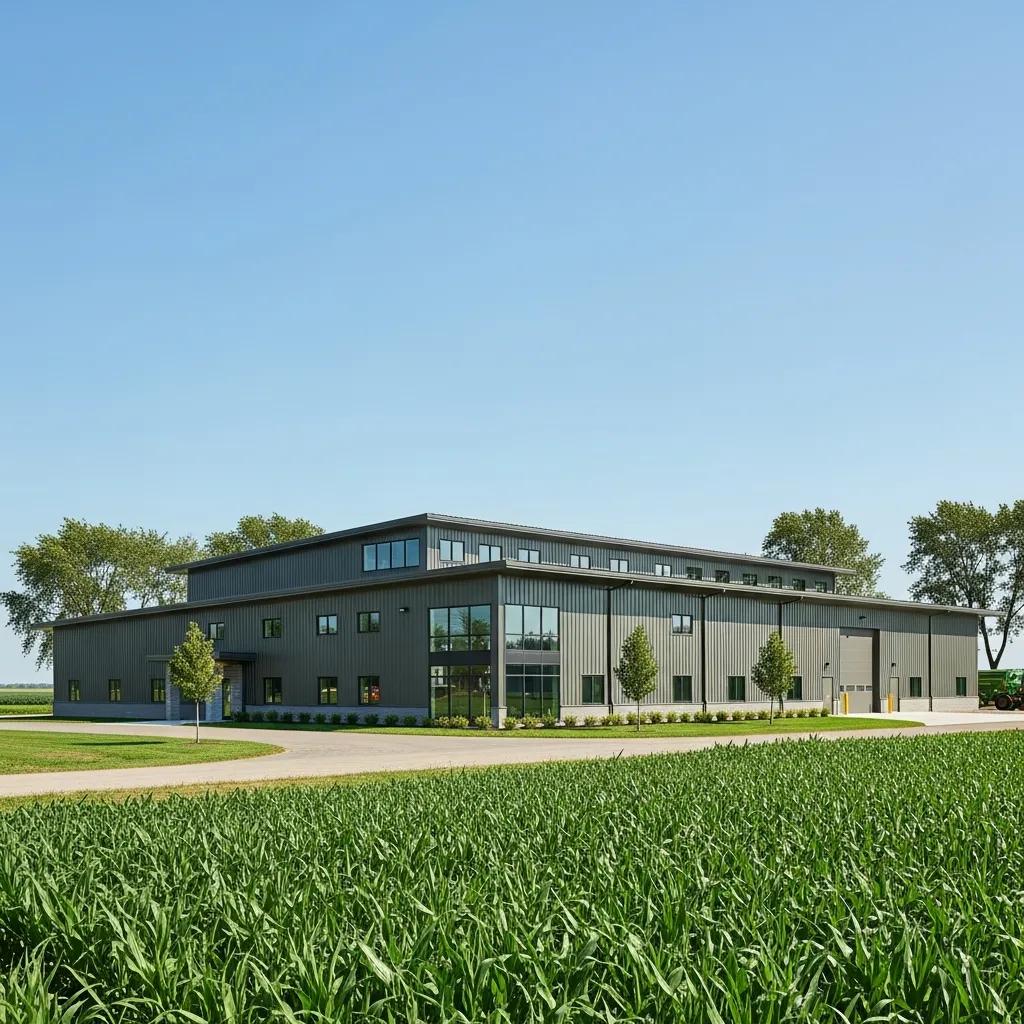
Top 10 Uses for Metal Buildings Across Industries — Practical Applications and Local Solutions
Metal buildings — pre-engineered steel structures built from a clear-span frame, roof system, wall panels, and foundation — are practical, cost-conscious choices across many industries. This guide walks through the ten most common uses for metal buildings and explains why their flexibility, durability, and fast delivery make them a strong option for agricultural, commercial, and industrial projects. You’ll find straightforward design considerations, the typical benefits for each use, and short comparisons to help match your need to the right commercial steel buildings solution. We also cover how barns, warehouses, retail spaces, manufacturing plants, aircraft hangars, and other specialized facilities use steel to lower lifecycle costs and shorten schedules — plus local, turn‑key service options for Northern California owners and project teams.
Ask AI About This Guide
Opens your AI assistant with a question ready to send.
Top 10 common uses for metal buildings — a quick reference and what this article covers:
This short list summarizes the most frequent applications covered below. Each item names the use and the main reason project owners pick metal construction.
- Barns and agricultural storage: durable, pest-resistant shelter for crops and livestock.
- Equipment and machinery storage: wide-span, secure covered space for farm or fleet assets.
- Warehouses and distribution centers: clear-span layouts that improve loading and unloading efficiency.
- Retail showrooms and strip centers: flexible interiors for branding and display.
- Office fit-outs and administration buildings: fast occupancy with cost advantages.
- Automotive shops and service bays: rugged frames that support heavy use and hoists.
- Manufacturing plants: structures designed for cranes, clear spans, and mechanical loads.
- Aircraft hangars and aviation shelters: large clear-span volumes for aircraft movement and maintenance.
- Self-storage and mini-storage facilities: modular, repeatable bays for rentable units.
- Recreational and equine arenas: open, climate-aware interiors for events and training.
These common uses set expectations for size, span, and function buyers should consider before ordering a pre‑engineered solution. Below we expand three clusters — benefits, agricultural solutions, and commercial& industrial applications — and offer practical design tips and trade‑offs to guide your decision on commercial steel buildings.
What Are the Key Benefits of Metal Buildings Across Industries?
Metal buildings deliver three consistent advantages that explain their popularity: long-term structural durability against weather and pests, lower total lifecycle costs versus many conventional builds, and faster on-site delivery thanks to pre‑engineered components. Those strengths come from steel’s material properties, clear‑span framing options, and standardized panel systems that simplify assembly and reduce labor time. The practical outcome is quicker occupancy, smaller maintenance budgets, and flexible interiors that work either wide open or subdivided. Knowing these cross‑cutting benefits helps owners and decision‑makers pick the right commercial steel buildings for agricultural, commercial, or industrial needs.
To compare key attributes at a glance, the table below summarizes the primary benefits and what they mean in real projects.
| Building Characteristic | Attribute | Typical Value |
|---|---|---|
| Durability | Weather and pest resistance | High |
| Construction Speed | Pre-engineered assembly time | Fast |
| Lifecycle Cost | Maintenance and repair frequency | Low to Moderate |
| Design Flexibility | Clear-span and modular options | High |
| Sustainability | Recyclable material content | High |
This quick comparison shows why pre‑engineered metal buildings are often the right choice when resilience and speedy delivery matter. For reference, here are the core operational benefits in plain terms. metal buildings
Metal buildings offer core operational benefits:
- Durability and low maintenance: steel resists rot, pests, and common weather damage.
- Cost-efficiency: predictable lifecycle costs from fewer repairs and efficient assembly.
- Speed and flexibility: pre‑engineered frames cut erection time and make future expansion easy.
With those advantages in mind, the next sections dive into agricultural uses where durability and storage efficiency are especially important. After that, we cover commercial and industrial use cases and how to evaluate local contractors and warranty options.
How Do Durability and Cost-Effectiveness Make Metal Buildings Ideal?
Durability on metal buildings starts with corrosion‑resistant coatings on the steel frame, paired with panelized wall and roof systems and foundations designed to control moisture. Together, these features reduce routine repairs and keep interior space usable longer. Because components are factory fabricated to tight tolerances, on‑site labor is shorter and timelines compress — lowering soft costs like temporary facilities and financing. Manufacturer warranties that cover selected components further improve ROI by reducing long‑term risk. In short: fewer surprises in maintenance and predictable replacement cycles often translate into a stronger lifecycle cost profile compared with many commercial steel buildings.
Which Agricultural Metal Building Solutions Are Most Common?

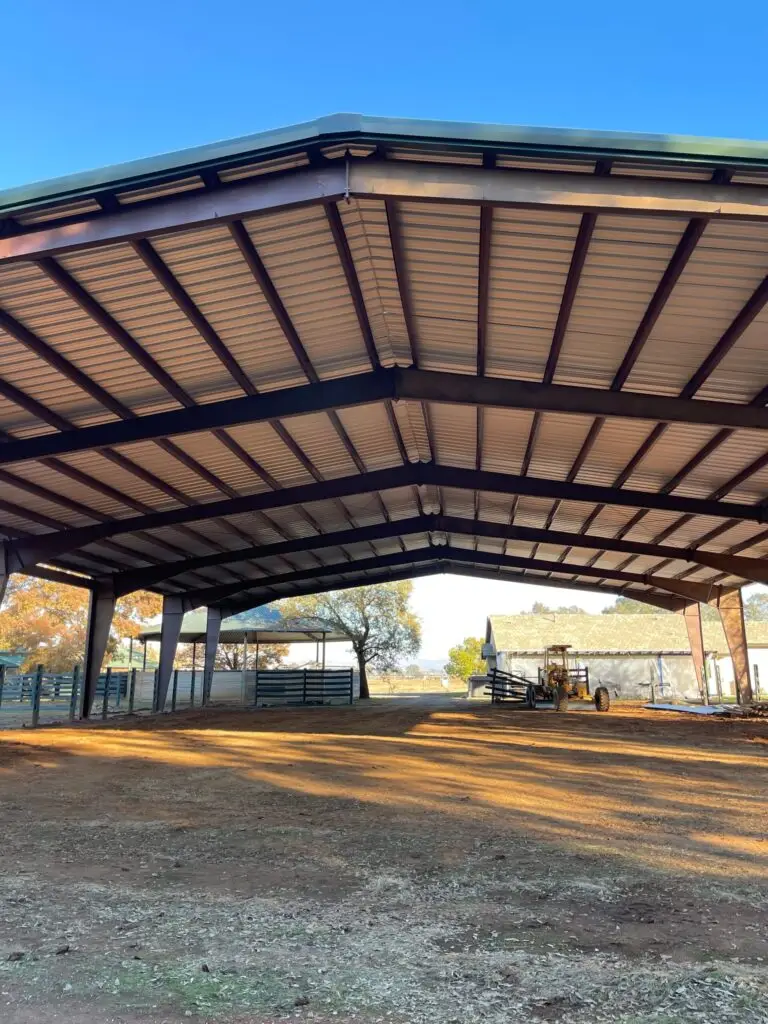
Farms and ranches choose metal buildings for barns, hay and crop storage, equipment housing, and equine arenas because steel resists pests, delivers clear‑span storage, and adapts to ventilation needs. Key design priorities include ventilation, insulation to control moisture, and durable sliding or roll‑up doors for machinery access. Best practices focus on ridge vents and sidewall louvers, sloped roofs for drainage, and raised thresholds to reduce flood risk and protect stored grain or hay. For installation and barn construction& installation, specialized services such as commercial metal buildings and metal building installation ensure local permitting and site preparation are handled correctly.
Common agricultural applications include:
- Barns and hay storage: keep feed dry and protected.
- Livestock shelters: ventilated, easy‑to‑clean enclosures.
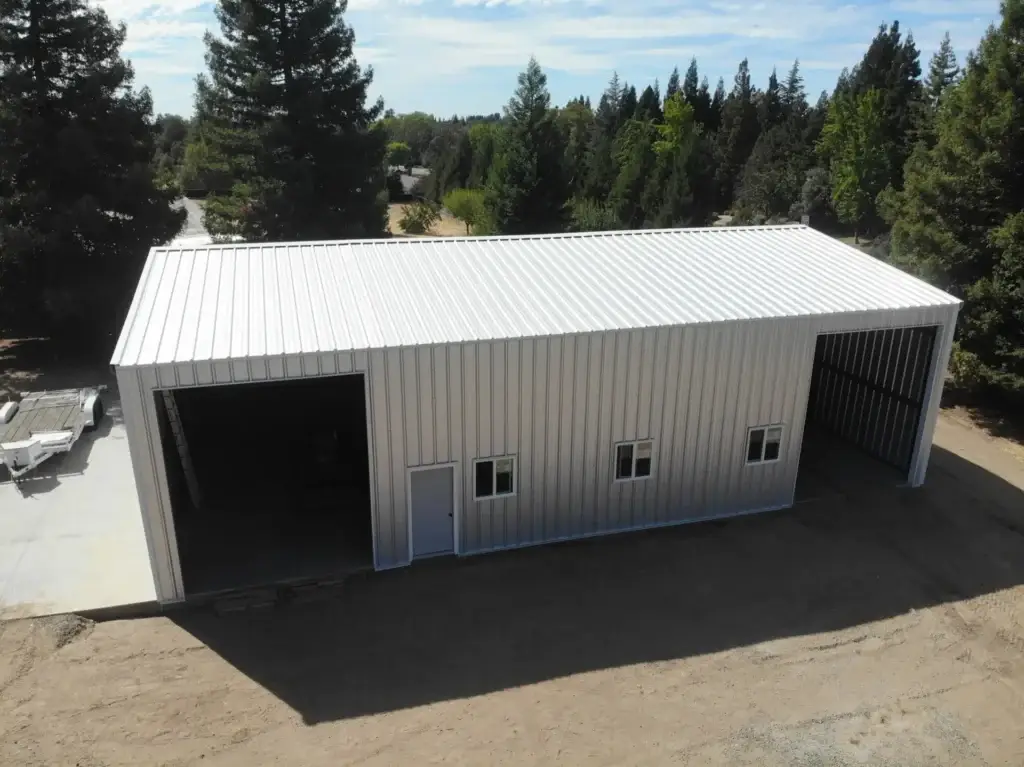
- Equipment sheds: long clear spans for tractors and implements.
These practical choices explain why many farms turn to pre‑engineered metal buildings to minimize downtime and protect valuable assets.
How Are Metal Buildings Used for Barns, Livestock, and Crop Storage?
For barns and crop storage, metal buildings provide large, uninterrupted volumes that simplify stacking, handling, and mechanized work, while panels and elevated foundations protect goods from pests and moisture. Effective barn designs use ridge vents, sidewall louvers, and targeted insulation to stabilize humidity and reduce spoilage — especially for hay and grain. For livestock, steel frames combined with washable wall systems and non‑porous flooring make sanitation easier and help control disease. Contractors experienced in barn construction integrate these features during design to optimize workflows and lower long‑term operating costs.
What Are the Primary Commercial Steel Building Uses?

Commercial operators commonly use steel buildings for warehouses, retail showrooms, offices, and automotive service facilities because commercial steel supports flexible layouts, fast tenant fit‑outs, and economical shell construction. Warehouses gain from clear‑span framing and high‑bay roof systems for racking and material flow; retail showrooms can customize façades and interior partitions for brand fit; offices benefit from quick occupancy when working from a predictable pre‑engineered shell. For businesses planning a commercial build, choosing a contractor that offers turn‑key permitting, foundation work, and interior fit‑out simplifies move‑in while keeping budgets predictable.
Commercial use cases frequently include:
- Warehousing and distribution: optimized for loading efficiency and racking.
- Retail and showrooms: adaptable spaces for merchandising and customer flow.
- Offices and support spaces: rapid fit‑out and cost‑controlled shells.
These categories show how pre‑engineered metal solutions fit commercial timelines and operating needs.
How Do Warehouses, Retail Spaces, and Offices Benefit from Metal Buildings?
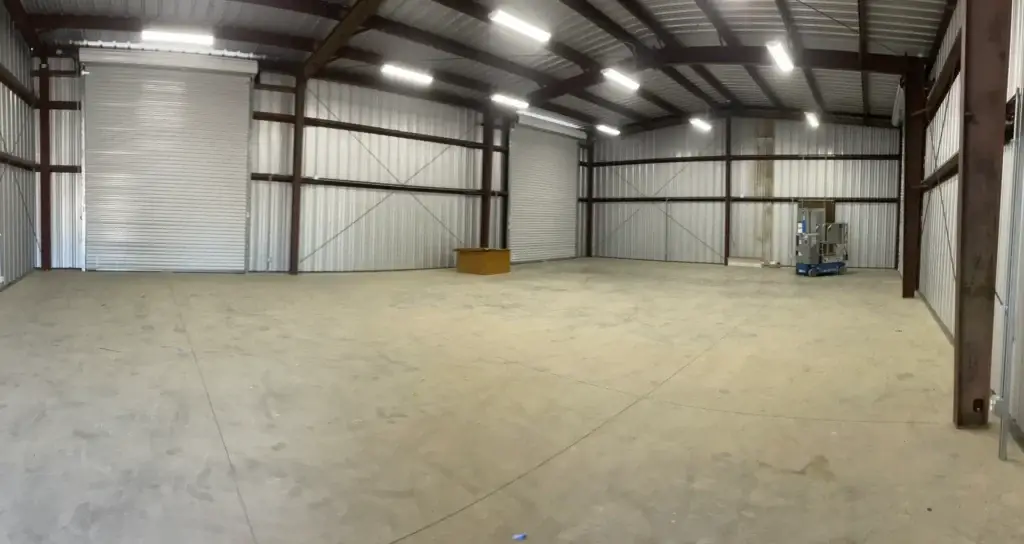
Warehouses use clear‑span metal buildings to remove interior columns and maximize usable floor area, improving palletization and vehicle movement. Retail spaces use metal shells for fast façade changes and interior demising that supports multiple tenants or brand‑specific layouts. Offices convert metal shells into climate‑controlled workspaces faster because mechanical and electrical runs fit predictably within the framing, helping accelerate lease‑up and reduce vacancy. For commercial projects, pairing a contractor experienced in commercial construction with ** prefabricated steel buildings** installation ensures the shell supports tenant build‑outs and local code requirements.
Top 10 Uses for Metal Buildings in Agriculture, Commerce & Industry
Industrial metal structures support heavy manufacturing, assembly plants, workshops, and aircraft hangars by offering high load capacity, crane‑ready clear spans, and durable surfaces that stand up to industrial wear. Important design items include reinforced foundations, bay spacing sized for cranes and hoists, planned utility routing for process equipment, and fire‑safety systems suited to the work. These needs typically call for collaboration between structural engineers and contractors experienced in steel structure construction so the building supports production workflows and safety standards. For aviation and high‑clearance uses, metal systems provide the large, uninterrupted volumes aircraft require, with options for insulation, HVAC, and specialized doors.
Industrial considerations checklist: construction services
- Clear-span and crane capacity: room for heavy lifts and uninterrupted workflows.
- Foundation and anchorage design: sized for dynamic industrial loads.
- Mechanical and electrical integration: planned routing for process equipment.
This checklist helps project teams prioritize structural and operational needs early in planning.
What Advantages Do Metal Buildings Offer for Aircraft Hangars and Workshops?
Aircraft hangars and workshops gain from metal buildings because the systems deliver very large clear‑span volumes for aircraft movement, wing clearance, and unobstructed maintenance bays, while steel frames reliably carry crane and equipment loads. Hangar design focuses on the right door systems, floor flatness, and ventilation to control fumes and climate. Metal panels combined with insulation give you options for thermal performance. When a project needs structural expertise, turn‑key firms can coordinate permits, foundation work, and specialized door installation to meet aviation standards. Ibarra Construction, a Northern California provider at 225 Riverside Dr, Woodland, CA, offers turn‑key steel buildings and steel structure construction along with metal building installation and barn construction services; select metal building warranties are available up to 40 to 50 years, and free estimates help evaluate project feasibility.
Ibarra Construction’s Expertise
Ibarra Construction provides turn‑key solutions from permits through completion — metal and steel building installations, commercial construction, and residential adaptations throughout Northern California communities including Woodland, Sacramento, Vacaville, Fairfield, Dixon, Davis, and Winters. Owner involvement from journeyman carpenter Diego Ibarra, competitive price matching, and third‑party verification support dependable project delivery. Free estimates are available to review site‑specific requirements, and select metal buildings include warranty coverage quoted at up to 40 to 50 years for long‑term assurance.
Frequently Asked Questions
What types of metal buildings are best suited for agricultural use?
Agricultural metal buildings commonly serve as barns, equipment storage, and livestock shelters. They’re chosen for durability, pest resistance, and the ability to create large clear spans for efficient storage and movement. Important features include good ventilation, appropriate insulation, and easy‑access doors to protect stored goods and keep animals comfortable. Custom layouts make it straightforward to match a building to specific farm operations.
How do metal buildings compare to traditional construction methods in terms of sustainability?
Metal buildings can be more sustainable than many traditional builds because steel is highly recyclable and durable, which cuts waste and reduces the need for frequent repairs. Energy‑efficient insulation and HVAC systems further lower operating costs and emissions. Overall, a well‑designed metal building often has a smaller environmental footprint over its lifecycle.
Can metal buildings be customized for specific business needs?
Yes. Metal buildings are highly customizable — you can vary size, layout, windows, doors, insulation, finishes, and colors to match branding and function. That flexibility makes them suitable for retail, warehousing, manufacturing, and many other uses. Working with an experienced contractor helps ensure the finished building meets both practical and aesthetic goals.
What are the typical maintenance requirements for metal buildings?
Metal buildings generally need less maintenance than many conventional structures. Routine checks for corrosion (especially near coastlines), gutter and drainage cleaning, and occasional inspections of seals and insulation are recommended. Because steel doesn’t rot and resists pests, you’ll avoid common issues that affect wood structures, which helps keep long‑term maintenance costs lower.
How quickly can a metal building be constructed compared to traditional buildings?
Because components are pre‑engineered and fabricated off‑site, metal buildings usually go up much faster than conventional builds — often saving weeks or months on schedule. The clear‑span design also reduces interior work and accelerates fit‑out, which is valuable for businesses that need space quickly or are working with seasonal timelines.
What financing options are available for purchasing metal buildings?
Financing for metal buildings includes traditional bank loans, construction loans, leasing options, and sometimes in‑house financing from manufacturers or contractors. Government programs may offer grants or low‑interest loans for agricultural or commercial projects in certain cases. It’s wise to explore multiple options to find terms that fit your budget and schedule.
Are there any zoning or permit considerations for metal building construction?
Yes. Local zoning and permitting rules can affect allowed building types, height, appearance, and land use. Securing the right permits and complying with building codes is essential. Engaging local authorities early and working with a contractor who helps navigate permits will reduce surprises and speed approvals.
Conclusion
Metal buildings offer real versatility, durability, and cost advantages across agricultural, commercial, and industrial uses. Knowing the key benefits and specific design considerations helps you choose a solution that fits your operation and budget. If you’re ready to explore tailored metal building options, our team is available to walk you through estimates, site needs, and warranty choices — we’ll help you find the right solution for your project.