
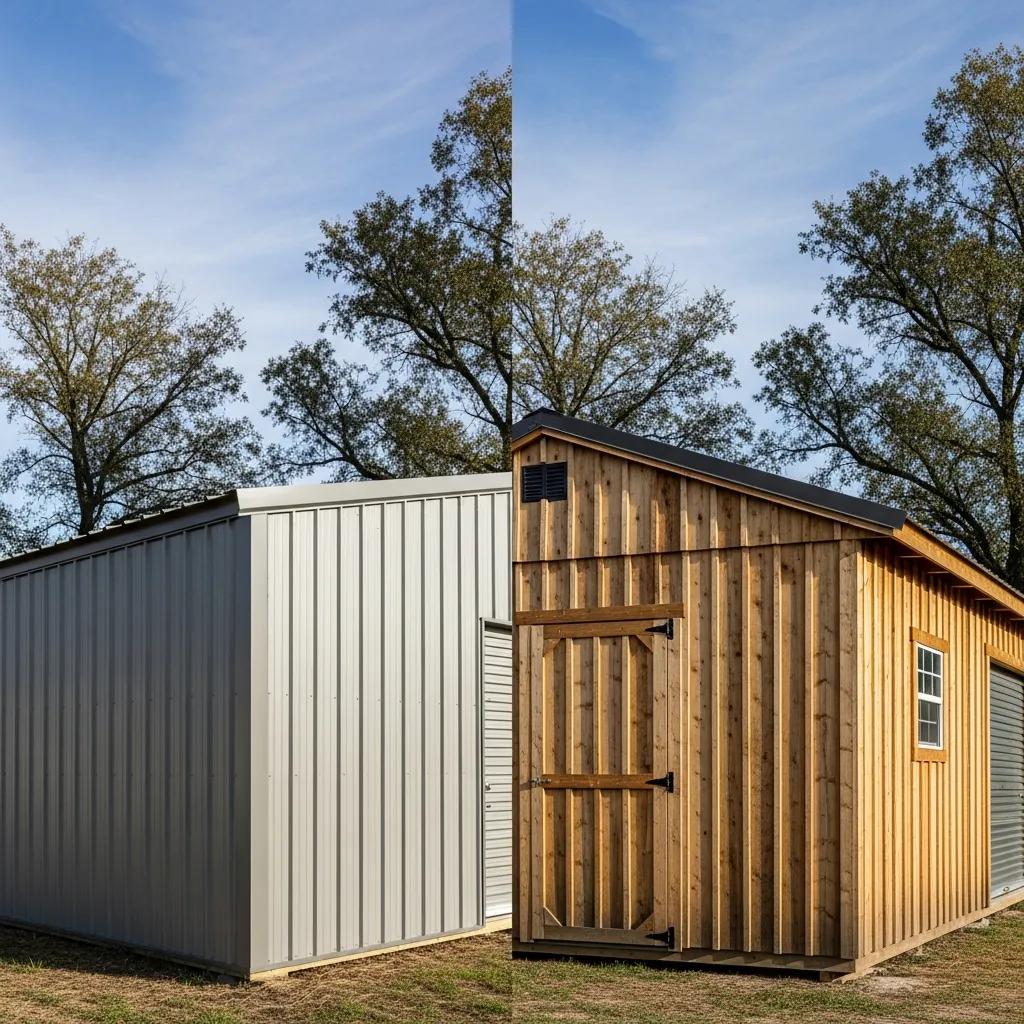
Metal vs Wood Storage Buildings: Cost, Durability & Maintenance
Choosing the right storage building comes down to matching materials to your priorities: budget, lifespan, and how much upkeep you want. This guide breaks down metal building installation and wood structures so you can weigh cost, durability, and maintenance and pick the best fit for your site and needs.
Also, make sure to check out our durability comparison to assist in your decision-making process.
Property owners often overlook long-term maintenance and replacement costs when picking a building type. Metal buildings are known for low upkeep and long service life. Wood buildings offer a classic look and flexible design options but usually need more regular care. Below we compare the two across the key factors you’ll want to consider.
What Are the Key Differences Between Metal and Wood Storage Buildings?
Metal and wood storage buildings differ in how they age, what they cost upfront and over time, and the routine care they demand. Understanding those differences helps you choose a solution that fits your timeline, budget, and intended use.
How Do Metal and Wood Buildings Compare in Durability and Longevity?

Metal buildings stand out for durability. They resist weather, pests, and many common sources of structural wear, and with proper care can last 40–70 years or more. Wood buildings look attractive and can be long-lived with diligent maintenance, but they’re more vulnerable to rot, termites, and moisture-related issues that can require frequent repairs.
What Are the Fire Resistance and Pest Control Benefits of Metal vs. Wood?
Steel doesn’t burn the way wood does, so metal buildings are often a safer choice in wildfire-prone zones. Metal is also less appealing to insects and rodents, which reduces pest-related damage. Wood is combustible and typically needs treatments and inspections to manage fire and pest risk.
That said, some engineered wood systems and treated wood assemblies can achieve notable fire performance in certain applications—so material choice should consider design, treatment, and local code requirements.
Wood vs. Steel Fire Resistance in Building Structures
Wood as a building material has the disadvantage of being combustible. Consequently wood structures are seen by many as creating an environment less safe than structures built of noncombustible materials such as steel and masonry. However, experience has shown that some wooden structures have a fire resistance comparable, or greater than that of many noncombustible alternatives.
Fire resistance of wood structures, 1985
How Does the Cost of Metal Buildings Compare to Wood Buildings?
Cost decisions should include both the initial price and the ongoing expenses. Below we outline the typical cost trade-offs for metal versus wood buildings.
What Are the Initial Construction Costs for Metal vs. Wood Storage Buildings?
Metal buildings can be competitive on initial cost, especially for straightforward designs and prefabricated options. Wood sometimes costs less upfront for small or custom projects, but that advantage can be offset over time by maintenance and repairs. Comparisons of metal vs wood buildings can help in making informed decisions.
How Do Long-Term Maintenance and Insurance Costs Differ Between Metal and Wood?
Over the long run, metal buildings generally cost less to maintain—they need fewer treatments, painting cycles, and pest controls. Because metal typically offers better fire resistance and fewer claims, insurance premiums may be lower as well. Wood structures often incur higher upkeep and insurance costs due to their vulnerability to pests and fire.
What Are the Maintenance Requirements for Metal Buildings Compared to Wood?
Maintenance expectations are a major practical difference between the two materials. Here’s what to expect from each.
How Does Metal Building Maintenance Reduce Upkeep Efforts and Costs?
Metal buildings usually require only periodic cleaning, inspections for corrosion or damaged panels, and occasional paint or seal touch-ups. That simplicity cuts down on labor and replacement costs over time, making metal a low-effort option for owners who prefer minimal ongoing care.
What Maintenance Challenges Are Common with Wood Storage Buildings?
Wood buildings demand regular attention: sealing, painting or staining, pest control, and inspections for rot and moisture. These recurring tasks add both time and cost, so wood is best when the owner is prepared to invest in upkeep or when a specific aesthetic is a priority.
How Do Prefabricated Metal Buildings Compare to Wood Frame Construction?
Prefabricated metal systems and conventional wood framing each have clear advantages depending on your project goals—speed and repeatability versus aesthetic flexibility.
What Are the Advantages of Prefabricated Metal Buildings in Construction Speed and Customization?

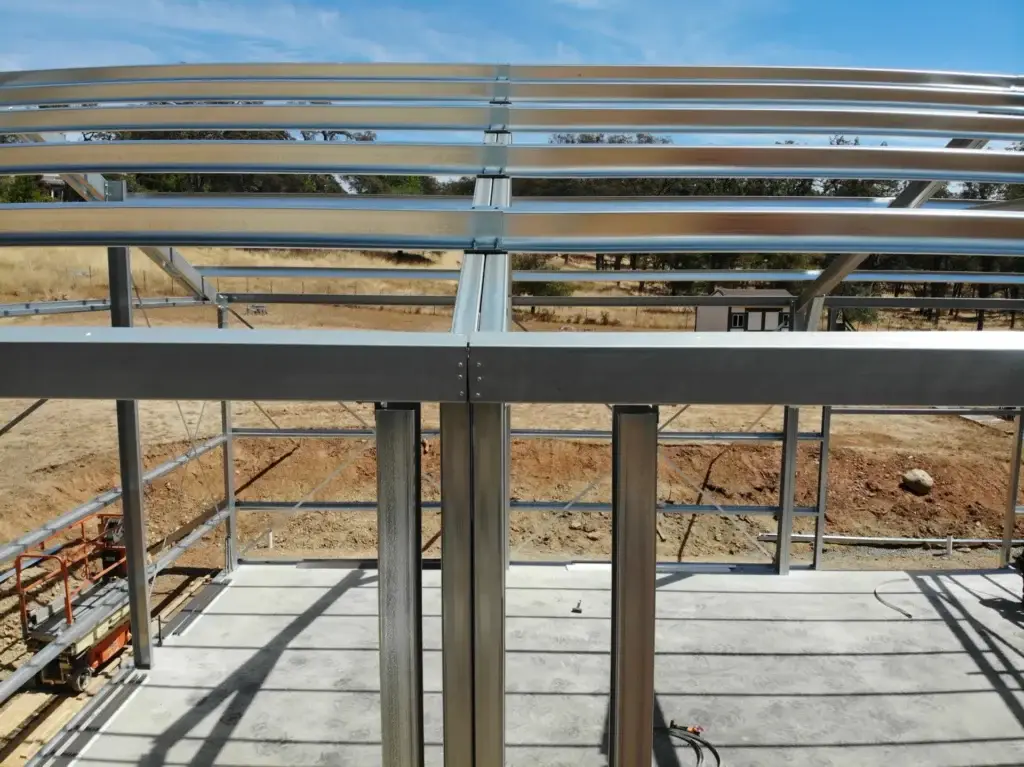
Prefabricated metal components arrive ready to assemble, which speeds construction and reduces on-site labor. That predictable build process can lower costs and shorten timelines. Metal systems also offer wide customization—sizing, roof styles, finishes, and accessories—to meet functional needs quickly.
How Does Wood Frame Construction Offer Aesthetic and Design Flexibility?
Wood framing gives you a warm, traditional appearance and easier options for on-site modifications or interior finishes. If appearance or custom architectural details matter, wood remains a strong choice—provided you’re ready for the maintenance it requires.
Why Are Metal Buildings Often Recommended for Northern California Property Owners?
For Northern California, local climate and hazard patterns make material choice especially important. Here’s why many owners favor metal in this region.
How Do Metal Buildings Address Northern California’s Climate Challenges Like Fire and Seismic Activity?
Metal’s fire-resistant properties and engineered structural systems make it a resilient option in areas with wildfire risk and seismic activity. Properly designed metal buildings can offer better protection from flames and a robust frame that performs well under seismic forces.
What Warranties and Turn-Key Services Does Ibarra Construction Provide for Metal Buildings?
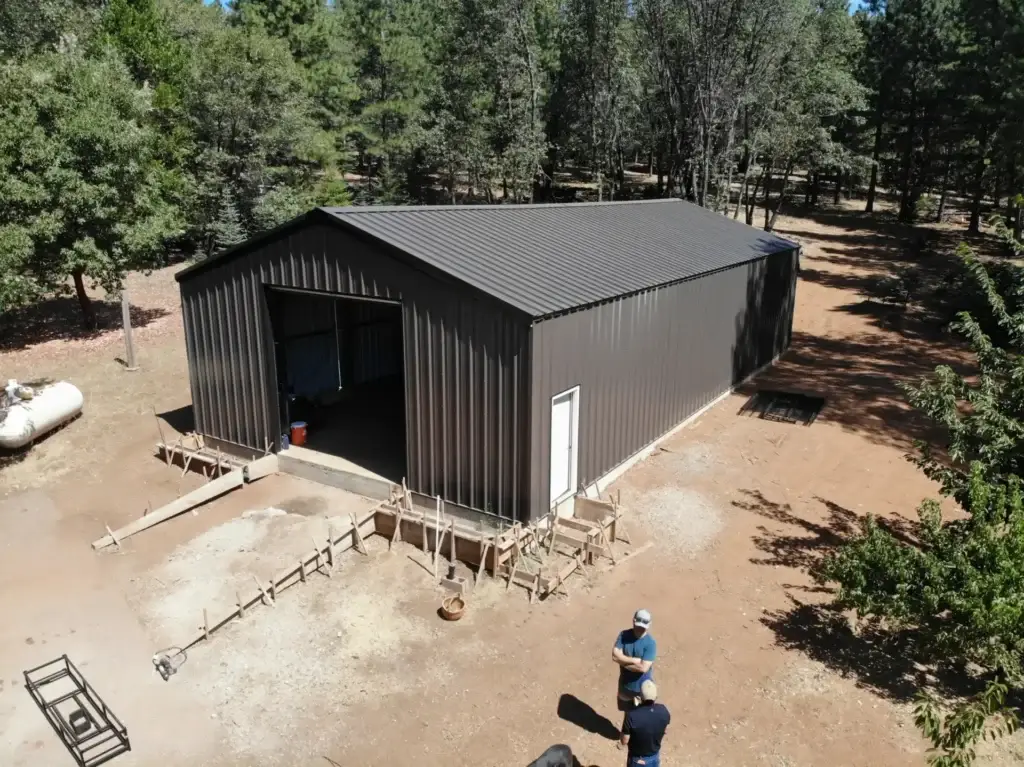
Ibarra Construction handles complete turn-key metal building projects—from site prep and permits to installation and finish work. We stand behind our buildings with manufacturer and installation warranties so you get a finished structure that’s safe, code-compliant, and backed by local support.
How Can You Make the Best Choice Between Metal and Wood Storage Buildings?
Picking between metal and wood comes down to use, budget, and how much maintenance you want long term. Below are practical questions to guide your decision.
What Factors Should Property Owners Consider When Choosing Building Materials?
Consider intended use (storage, workshop, garage), local climate and hazards, budget over the building’s lifetime, and how important appearance is to you. Also check local codes and insurance requirements before finalizing a material choice.
How Can a Free Estimate from Ibarra Construction Help in Decision Making?
Requesting a free estimate gives you a clear cost picture and lets our team recommend the right materials, sizes, and finishes for your goals. We’ll walk you through options, timelines, and local permitting so you can choose with confidence.
Frequently Asked Questions
What are the environmental impacts of metal versus wood storage buildings?
Wood is renewable and stores carbon, but its sustainability depends on responsible sourcing. Metal uses more energy to produce but can include recycled content and is fully recyclable at end of life. Because metal buildings often last longer with less maintenance, their lifecycle impact can be comparable or better in many cases.
How do insurance costs compare for metal and wood storage buildings?
Insurance for metal buildings is often lower because of reduced fire risk and fewer weather- or pest-related claims. Wood buildings may carry higher premiums due to greater vulnerability. Talk to your insurer for exact rates based on your location and building details.
What are the aesthetic options available for metal storage buildings?
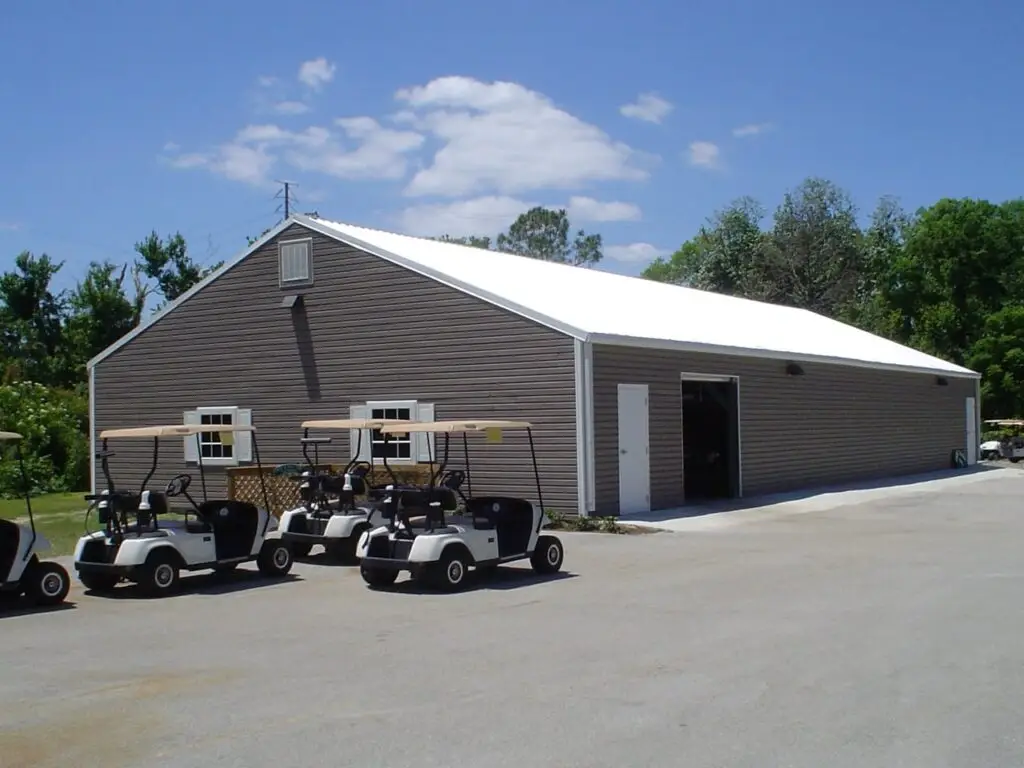
Modern metal buildings come in many colors, profiles, and finishes. You can add faux-wood panels, trim, and varied rooflines to match a property’s look. Metal’s customization options make it easier than many expect to blend function with attractive design.
Can metal buildings be insulated, and how does this affect energy efficiency?
Yes — metal buildings can be insulated with spray foam, fiberglass, rigid board, or insulated panels. Proper insulation improves comfort and reduces heating and cooling costs, making metal buildings energy-efficient when designed correctly.
What are the common uses for metal storage buildings?
Metal buildings are versatile: equipment and farm storage, commercial warehouses, workshops, residential garages, and vehicle storage (boats, RVs). Their durability and open interior space make them a practical choice for many applications.
How do local building codes affect the choice between metal and wood structures?
Local codes set requirements for fire safety, structural loads, and seismic performance. In some zones, codes or insurance incentives favor noncombustible materials like steel. Always check local regulations and work with a contractor who knows the permitting process in your area.
Conclusion
Both metal and wood have clear strengths. If you want low maintenance, long life, and strong fire and pest resistance, metal is often the smarter investment. If aesthetics and on-site flexibility matter more, wood may be the right choice—but plan for regular upkeep. For a free, no-obligation estimate and expert guidance tailored to your property, contact Ibarra Construction today.