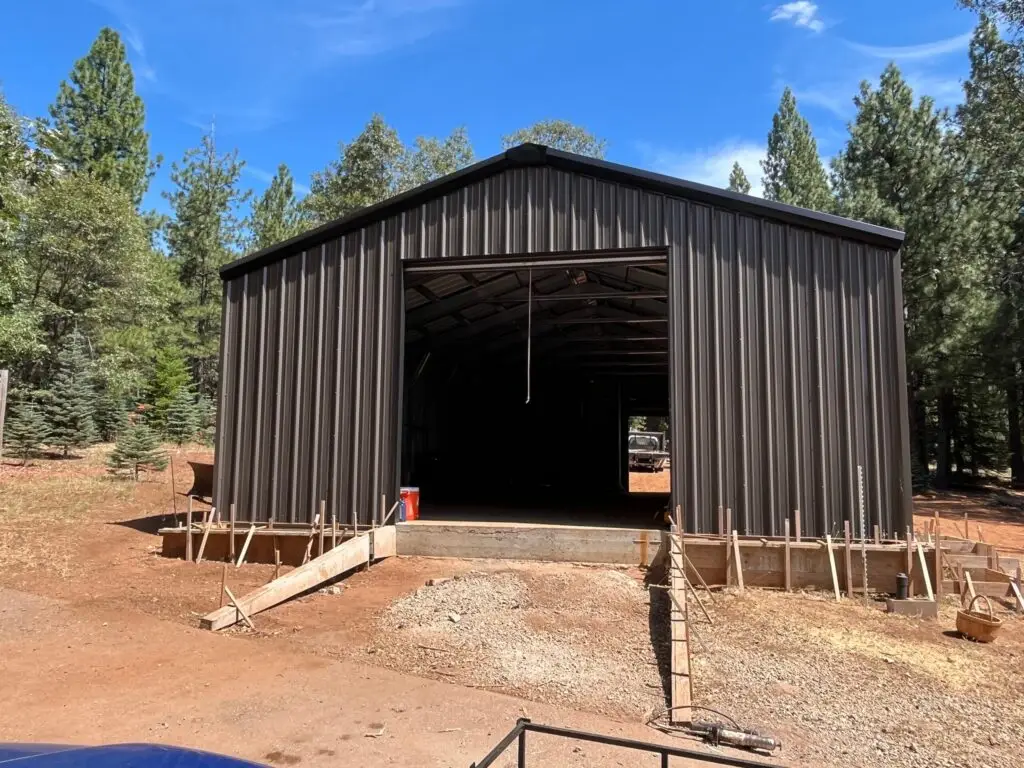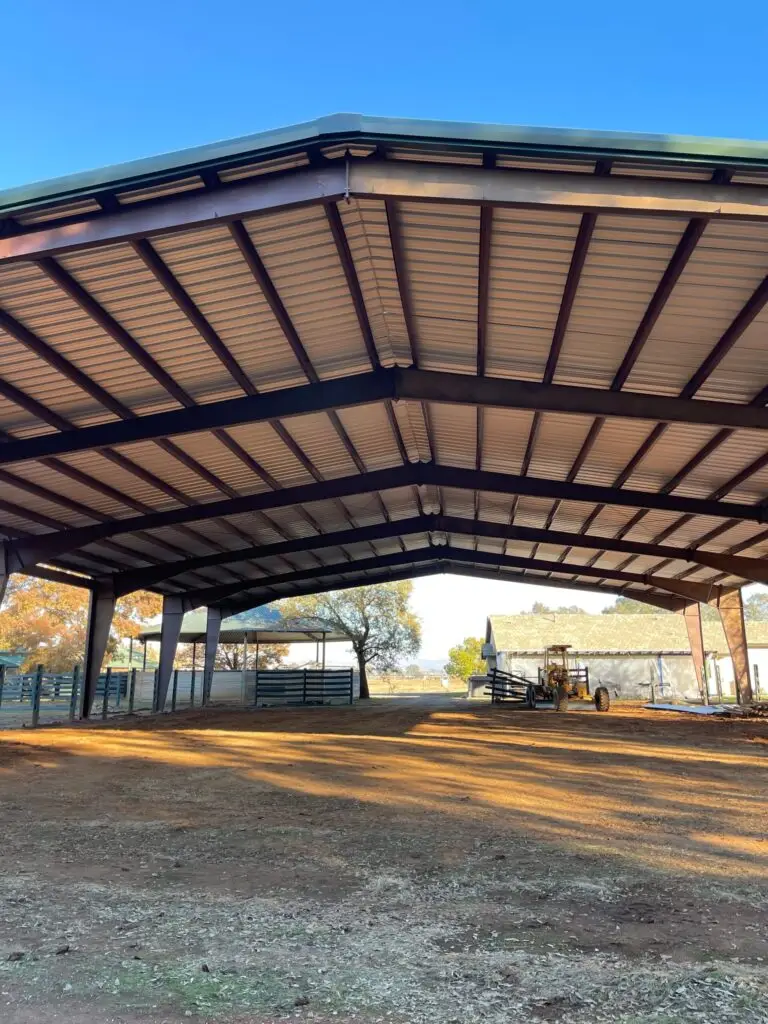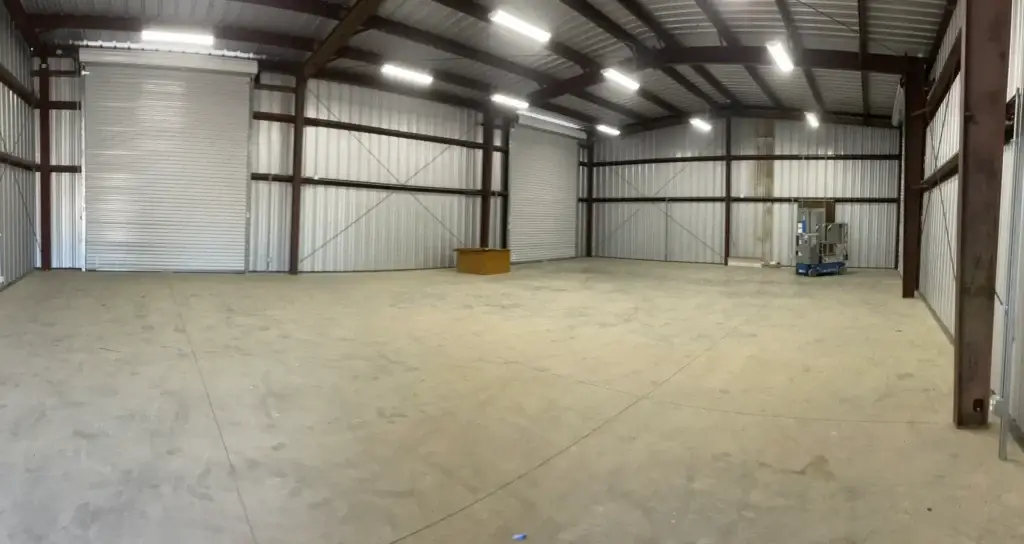

Custom metal building construction delivers durable, fire-safe, and scalable structures for Northern California property owners facing seismic, wildfire, and climate challenges. Ibarra Construction provides turn-key solutions from permits to completion, using cold-formed steel framing that reduces upfront and lifecycle costs for agricultural, commercial, and residential projects across the Sacramento and Vacaville region.
Ask AI About This Guide
Opens your AI assistant with a question ready to send.
Key Takeaways
Custom metal buildings reduce construction timelines significantly compared to traditional building methods.
Prefabricated steel components lower overall project costs while maintaining structural durability and strength.
Metal structures adapt seamlessly to agricultural, commercial, and residential applications across Northern California.
Steel buildings meet stricter efficiency standards and withstand Northern California’s climate demands reliably.
Why Do Metal Buildings Withstand Northern California's Climate?
Steel framing performs under conditions that break down weaker materials. Cold-formed steel uses a high strength-to-weight ratio, so builders need less material to achieve the same structural capacity. This efficiency doesn’t sacrifice durability; it strengthens the building while keeping construction leaner and more economical for property owners and agricultural operators managing tight budgets.
Seismic activity poses another regional challenge, and steel construction answers it directly. Engineered connections combined with ductile behavior allow a structure to flex. Absorb energy during ground movement rather than crack or collapse. This performance matters across Northern California, where seismic risk factors into nearly every commercial and agricultural building decision.
How do metal buildings handle Northern California's temperature extremes?
Structures built with steel framing withstand the region’s full climate range, from scorching Central Valley summers to heavier snow accumulation at higher elevations. This adaptability comes from the material’s consistent structural behavior across temperature swings, unlike wood, which expands, contracts, and warps over time.
Custom metal building construction benefits extend beyond raw material strength into long-term reliability:
Reduced material waste during fabrication
Improved resistance to seismic stress
Consistent performance across heat, snow, and humidity
Commercial business managers and agricultural operators gain a structure engineered for the region’s demands, not a generic design retrofitted for local conditions.
Can a Metal Building Fit Any Property Use?
Yes—a single metal structure design adapts to farmland, storefronts, and residential lots across the same region. Property owners in Northern California face very different needs depending on whether they run a vineyard, manage a retail space, or build a backyard workshop. A structure that ignores those differences risks wasted square footage, higher long-term maintenance, and costly retrofits down the road.
Custom metal building construction benefits show up clearly when comparing use cases side by side:
Use Case | Common Application |
|---|---|
Agricultural | Barns, covered horse arenas, equipment storage |
Commercial | Warehouses, retail buildings, offices |
Residential | Garages, workshops, accessory structures |
A qualified provider handles the full scope behind these projects—metal building installation, barn construction, covered arenas, concrete foundations, grading, excavation, and permit processing—so one point of contact manages the entire build.
Does a metal building work better than a wood structure?
Custom metal buildings generally outperform wood buildings on customization and long-term durability. Owners across Northern California gain flexible layouts without sacrificing structural strength.
Do metal buildings still need to meet local codes?
Every metal structure, regardless of its use, must meet applicable codes and pass required inspections. Compliance keeps the building sound, protects occupants, and keeps the project legally sound from permitting through completion.
What Long-Term Value Does Metal Construction Deliver?
Long-term value comes from materials that last, systems that reduce risk, and a delivery process that removes guesswork from ownership. Steel framing holds up against fire, pests, and weather patterns common across Northern California’s varied climate zones. Property owners in Woodland, Sacramento, Vacaville, and Fairfield gain structures built to perform for decades, not years.
Custom metal building construction benefits extend beyond the building shell into environmental responsibility. Steel is recyclable, and its fabrication generates minimal waste, supporting sustainability goals that matter to agricultural operators and commercial managers alike. Choosing recyclable materials lowers a property’s long-term environmental footprint without sacrificing structural strength.
Does a Turn-Key Process Actually Save Owners Time?
Yes. A turn-key delivery model covering permit processing, site preparation, concrete foundations, and building installation reduces the coordination burden owners typically carry. Managing separate contractors for each phase invites delays and miscommunication. Consolidating these steps under one process keeps timelines predictable.
Steel framing also adapts across use cases:
Residential framing for accessory structures and additions
Full commercial systems for warehouses and offices
Agricultural buildings for equipment and livestock
This adaptability lets one construction approach serve multiple property types. Durable metal construction adds resale value too, alongside configurations like carports and RV covers that broaden a property’s functional appeal. For owners planning decades of use, that combination of durability, flexibility, and consistent brand identification behind the build delivers value long after the final inspection closes out.
FAQ
Why do metal buildings perform well in Northern California's seismic zones?
Cold-formed steel framing uses engineered connections. Ductile behavior, allowing structures to flex and absorb energy during ground movement instead of cracking or collapsing under seismic stress.
How does steel framing compare to wood in extreme temperatures?
Steel maintains consistent structural behavior across scorching Central Valley summers and heavier snow accumulation
Conclusion
In closing, custom metal building construction delivers the durability, efficiency, and tailored design that Northern California projects demand. By partnering with a dedicated construction team committed to quality craftsmanship. Comprehensive service—from permitting through final completion—you secure a structure built to withstand regional conditions. Serve your operational needs for years to come. The investment in customized metal construction represents a strategic choice for businesses seeking reliable, long-lasting results. Call us today to discuss your project.