
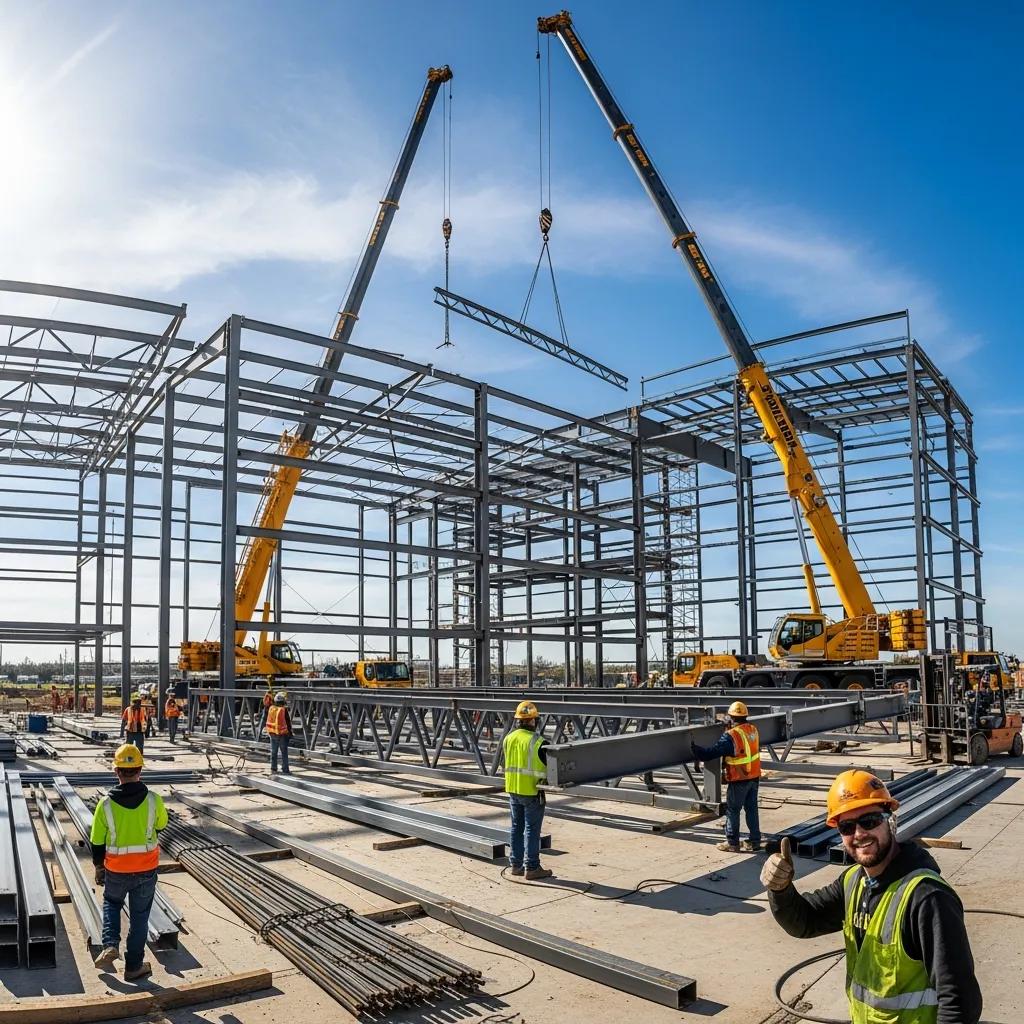
10 Practical Tips for Finding Reliable Metal Building Contractors Near You
Finding dependable metal building contractors can feel overwhelming — projects combine structural engineering, metal fabrication, and local permits. This guide gives you 10 practical vetting steps to lower risk, set clear expectations, and hire contractors who build steel building structures the right way. You’ll learn how to verify licenses and insurance, evaluate experience and specializations, check references and reputation, and insist on clear communication and warranty terms. Actionable checklists and verification steps make each tip usable so you can move from search to signed contract with confidence. Many local builders offer turnkey services — from permit handling to installation — and commonly provide free estimates to get planning started. Use the tips below to find qualified pre‑engineered metal building erectors, agricultural barn contractors, or commercial steel teams in Woodland, Sacramento, Vacaville, and nearby Northern California communities.
How to Verify Licenses and Insurance for Metal Building Contractors
Verifying licenses and insurance means getting current, verifiable paperwork before any work starts. Ask the contractor for their state license number, the insurer’s contact, and a certificate of insurance (COI) showing general liability and workers’ compensation. Then confirm those details with the issuing agencies or insurer. That verification protects you if there are installation issues, on‑site injuries, or unpermitted work — and it reduces the chance of fraud. Use the quick checklist below to make verification straightforward and defensible.
- Get the contractor’s state license number and verify it with the state contractor licensing board.
- Request a certificate of insurance (COI) showing general liability and workers’ comp; call the insurer to confirm policy limits and dates.
- When warranties matter, confirm any manufacturer or erector certifications directly with the manufacturer.
- Watch for red flags: expired documents, evasive answers, or reluctance to provide written proof.
Use the quick-reference table below to match common license and insurance items with where to verify them for metal building work.
| License / Insurance | Where to Verify | Notes for Owners |
|---|---|---|
| State contractor license (structural/metal) | State contractor licensing board | Confirm license number and expiration; check for complaints |
| General liability insurance | Insurer listed on COI | Verify policy limits and effective dates with the insurer |
| Workers’ compensation | Insurer or state WC board | Required if the contractor has employees; protects the owner from claims |
| Manufacturer certification | Manufacturer or supplier records | Needed for warranty compliance on panels and frames |
That table helps you prioritize checks that prevent common disputes and ensures you have written proof before work begins.
What Licenses Should Reliable Metal Building Companies Have?
Trustworthy metal building firms will hold the appropriate state contractor license for structural or metal work and any manufacturer erector certifications required for your system. Ask for the exact license classification and number, note the expiration date, and get written proof you can verify online or by phone. Manufacturer certifications matter for pre‑engineered systems because they affect warranty validity and installation standards. Keep a short checklist in your project file — license number, insurer, and certification references — to streamline your pre‑construction due diligence.
Why Insurance Matters When Choosing Steel Building Erectors
Insurance shields owners from financial exposure if accidents, property damage, or employee injuries occur during erection or site prep. Minimum protections are general liability for third‑party damage and workers’ compensation for on‑site injuries — verify policy limits and effective dates on the COI. Uninsured or underinsured contractors can leave you liable for claims and delays, so insist on verified coverage before any site work. Ask for insurer contact details and keep verification in writing to prevent later disputes.
10 Essential Tips for Finding Reliable Metal Building Contractors
Experience with metal buildings reduces fit issues, schedule surprises, and warranty disputes. Contractors who know steel framing, anchor bolt layouts, and roof panel tolerances follow manufacturer requirements more closely. Look for a portfolio of similar projects, manufacturer relationships, and evidence of crews or equipment dedicated to PEMB (pre‑engineered metal building) erection. Specialization matters for barns, hangars, and commercial shops because load needs, clear spans, and permitting vary. Use the short list below to capture the top experience indicators when comparing bidders.
- Years and continuity of work specifically in metal building erection.
- A portfolio of similar project types (barns, hangars, shops) with documented results.
- Manufacturer certifications or approved erector status that support warranty compliance.
- Dedicated crews and equipment for steel framing, roof panels, and anchor systems.
The compact comparison table below helps you match contractor experience to project types and identifies the right questions to ask during vetting.
| Project Type | Key Experience Indicator | What to Ask |
|---|---|---|
| Agricultural barn | Multiple completed farm buildings | How they handled foundation interfaces and ventilation |
| Commercial shop | Clear-span framing projects | Request references for similar footprints and load conditions |
| Aircraft hangar | Wide-span steel erection | Confirm crane use and erection sequencing experience |
| PEMB installations | Manufacturer‑approved erector | Verify approvals and warranty handling procedures |
This table makes it easier to prioritize bidders with directly relevant track records for your project type.
How Experience Affects Project Quality
Experienced metal building contractors lower the chance of change orders, shorten installation time, and deliver tighter fit and finish because they anticipate field issues like foundation tolerances and panel misalignment. They usually coordinate with manufacturers and maintain subcontractor relationships for concrete and specialty trades. Ask for examples where early coordination prevented delays or extra costs — those stories show whether a contractor’s experience produces predictable results and fewer owner headaches.
Why Choose Contractors Specialized in Steel Structure Erection?
Specialized erectors bring the right tools, measuring systems, and crews trained in bolting, anchoring, and panel integration, which speeds work and improves safety. Manufacturer‑approved erectors understand warranty procedures and the installation details that preserve panel performance and structural integrity. Choosing a specialist reduces the risk of voided warranties and installation defects on complex or large‑span projects. Verify specialization with documented certifications and past project photos that show correct detailing and connections.
How Can You Assess References, Reviews, and Reputation of Metal Building Companies?
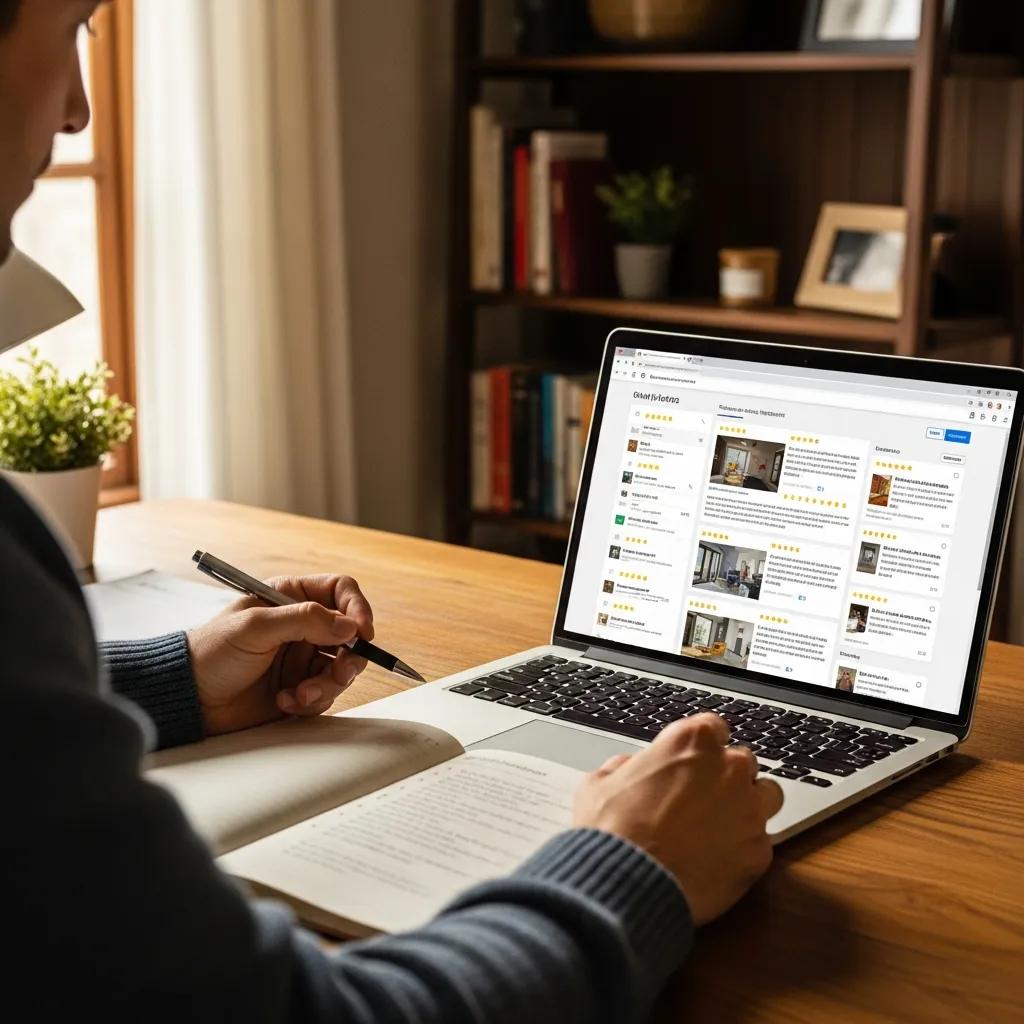
Assess reputation by cross‑checking online reviews, third‑party verifications, and direct conversations with prior clients about schedule, budget, and warranty service. Look for consistent themes — clear communication, on‑time completion, and prompt punch‑list follow‑up are strong signals. Be cautious of vague five‑star reviews or recurring complaints about the same issues. Below are focused questions to ask references and a note on accreditation signals you can use as part of your decision.
- Did the project finish on schedule and within the original budget?
- How responsive was the contractor to questions during construction?
- Were warranty issues handled promptly after turnover?
- Did the contractor provide written change orders and clear documentation?
- How did the contractor manage subcontractors and on‑site safety?
- Would you hire them again for a similar metal building?
Ibarra Construction is a local, full‑service metal building provider with BBB accreditation and HomeAdvisor verification; use those third‑party checks as one input alongside direct reference calls and portfolio reviews. Cross‑verify accreditations with references to confirm consistent performance.
What to Ask Previous Clients and References
When you call references, focus on timeline realities, communication habits, and after‑care rather than general praise. Ask how permits were handled, how the contractor resolved unexpected site issues, and whether final punch‑list items were completed without surprise charges. Request examples of warranty claims and how they were resolved — those details reveal operational strengths and help you compare candidates beyond marketing claims.
How Do BBB Accreditation and HomeAdvisor Verification Help?
BBB accreditation indicates a company participates in complaint resolution and meets basic transparency standards. HomeAdvisor verification shows platform‑level checks and a review history. Both are useful initial filters but shouldn’t replace portfolio checks and reference interviews. Combine accreditations with COIs, license verification, and reference calls for a complete reliability picture — treat accreditations as one data point in your due diligence.
Why Communication, Transparency, and Warranty Matter When Choosing Metal Building Contractors
Clear communication and transparent pricing reduce disputes by documenting scope, schedule, and change‑order procedures; warranties protect long‑term performance for panels, coatings, and workmanship. Require a written scope, milestone schedule, and a clear change‑order policy to keep cost and timeline predictability high. Warranties typically separate material coverage from workmanship — knowing who handles each claim makes future repairs and resale easier. Use the checklist and table below to compare typical warranty items and contract language you should insist on, including a metal building company.
Typical warranty elements to verify and record before signing:
- Material coverage for metal panels and finishes.
- Structural component warranties from manufacturers.
- Workmanship guarantees covering installation errors.
| Warranty Type | Coverage | Typical Notes |
|---|---|---|
| Panel finish warranty | Corrosion and color retention | Usually from the manufacturer; often 20–40 years depending on the product |
| Structural warranty | Frame integrity and load performance | Manufacturer or erector‑backed; verify exclusions |
| Workmanship guarantee | Installation defects | Typically contractor‑provided; confirm duration and remedy terms |
Having these warranties spelled out in the contract prevents confusion and preserves long‑term value. Insist the contract names warranty responsibilities, describes the claim process, and gives timelines so future maintenance is predictable and supported.
How Clear Communication Impacts Your Project
Regular updates, written change orders, and a single point of contact reduce ambiguity and speed decision‑making during erection and finishing. Set a communication cadence — for example, weekly updates and written approvals for changes — and include it in the contract to avoid scope creep. Good communication minimizes RFIs, helps resolve permit issues quickly, and keeps the project on schedule. Require meeting minutes and documented approvals to create an auditable project record.
What Warranty and Guarantee Details to Expect
Expect separate warranties for metal panels (manufacturer), structural components (manufacturer or supplier), and workmanship (contractor), each with clear durations and exclusions. Panel warranties can extend for decades; workmanship guarantees are usually shorter. Confirm who adjudicates claims and who performs repairs. Read exclusions carefully — improper maintenance or unauthorized modifications often void coverage. Ask contractors for written warranty summaries and contact points to simplify future claims.
Request a Detailed, Free Estimate
Ask for a free estimate or consultation that includes a written scope, preliminary schedule, and itemized pricing so you can compare bidders accurately and avoid surprises. If you want a local provider that manages permits through installation, consider contacting Ibarra Construction in Woodland, CA for a free estimate — they provide metal/steel building construction, barn work, and warranty‑backed services across Northern California. Use the written estimate to verify license numbers, insurance certificates, and warranty terms before signing. This moves research into action and helps you choose a contractor aligned with your technical and budget needs.
Frequently Asked Questions
What are the typical costs associated with hiring metal building contractors?
Costs vary by project size, complexity, and location. On average, expect roughly $10 to $20 per square foot for basic metal building construction. Site prep, permits, and custom features can increase that figure. Get detailed, itemized estimates from multiple contractors so you can compare labor, materials, and any potential additional fees. Itemized bids make comparisons far clearer.
How long does it typically take to complete a metal building project?
Timelines range from weeks to months depending on size and complexity. Smaller agricultural barns often take about 4 to 8 weeks; larger commercial buildings can run 3 to 6 months. Design complexity, weather, permitting, and contractor availability all affect the schedule. Discuss realistic timelines up front and build in time for permit reviews and weather delays.
What should I include in a contract with a metal building contractor?
A solid contract protects both parties. Include a detailed scope of work, project timeline, payment schedule, warranty terms, and clear communication and change‑order procedures. Add clauses for handling delays, disputes, and unforeseen site conditions. Put every verbal agreement in writing — a thorough contract reduces misunderstandings and provides a clear framework for execution.
Are there specific building codes or regulations for metal structures?
Yes. Metal buildings must meet local building codes and regulations, which vary by jurisdiction. Codes cover safety, structural requirements, zoning, and environmental concerns. Before starting, consult local authorities or a knowledgeable contractor to ensure compliance and to secure any required permits and inspections throughout construction.
What are the benefits of using pre-engineered metal buildings?
Pre‑engineered metal buildings are cost‑effective, faster to construct, and flexible in design. They’re manufactured off‑site and delivered for assembly, reducing on‑site labor and time. They can be customized for size and layout while maintaining structural integrity, and they typically offer durability and low maintenance — good options for agricultural and commercial uses.
How can I ensure the quality of materials used in my metal building?
Discuss material specifications with your contractor. Ask about steel grades, coatings, insulation, and any manufacturer warranties. Prefer products that meet industry standards and carry manufacturer warranties. If possible, visit completed projects to inspect material quality and workmanship firsthand.
What should I do if I encounter issues during the construction process?
Address issues quickly and directly with your contractor. Keep communication open and document concerns in writing. Refer to your contract for dispute resolution steps. If problems continue, consider a third‑party mediator or legal advice. Maintaining a record of all communications will help if you need to escalate the issue.
Conclusion
Hiring a reliable metal building contractor makes a big difference in quality, safety, and compliance. Follow the steps in this guide to vet contractors based on licenses, experience, and reputation so your project runs more smoothly. When you’re ready, request a detailed, free estimate from a qualified local contractor — thorough vetting now will save time and money later and help ensure a durable, well‑built metal structure.