
Local Metal Building Fabricators: What to Expect & Key Benefits
Local metal building fabricators design, fabricate, and install steel structures for agricultural, commercial, residential, and aviation use. They blend pre-engineered systems with on-site adjustments so buildings go up faster and last longer. Working with a local team also cuts delays by matching plans to regional codes, inspections, and site realities. Below we explain what metal buildings are, why choosing a Northern California fabricator helps, the full turn‑key services to expect, and how pre‑engineered and custom options compare on cost, energy use, and future growth. You’ll also get practical steps for permits, site prep, foundations, and key customization choices — plus the industry terms (steel framing, concrete foundation, roofing panels, warranty ranges) to help you vet local metal building contractors.
What Are Metal Buildings and Why Choose Local Fabricators?
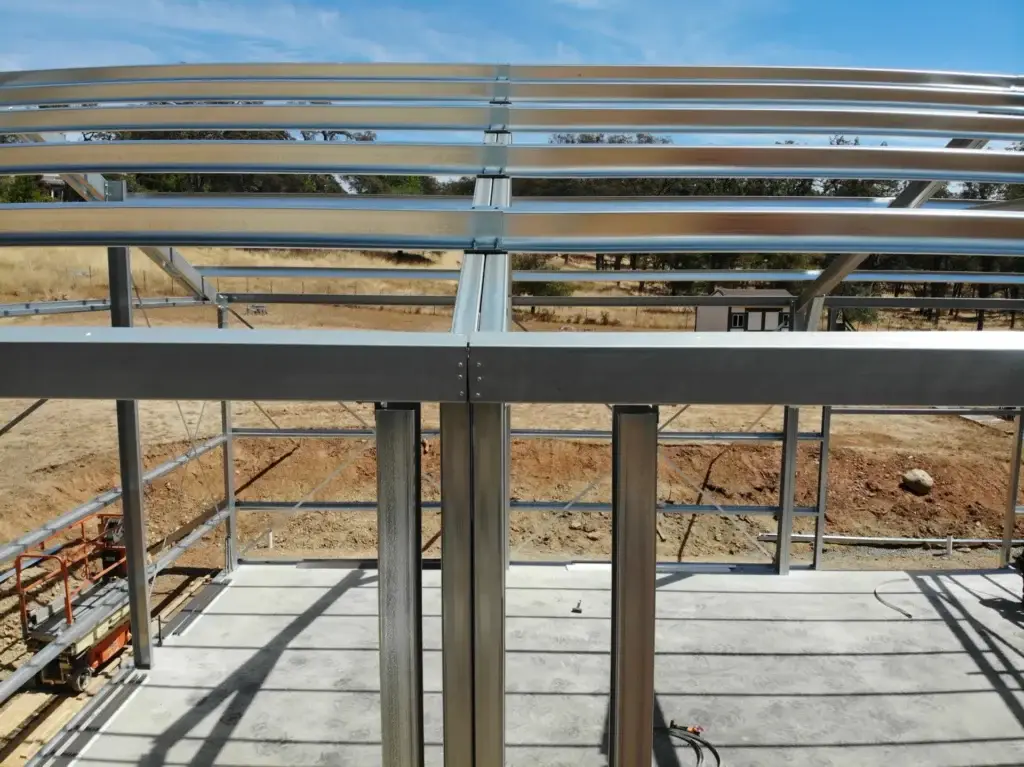
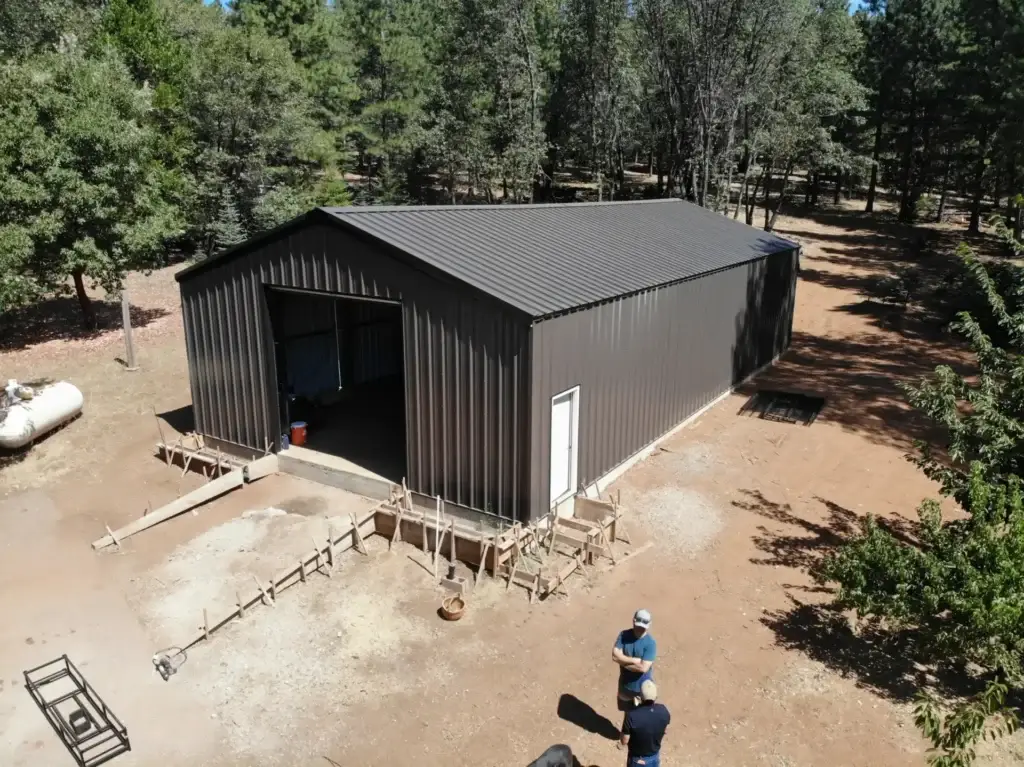
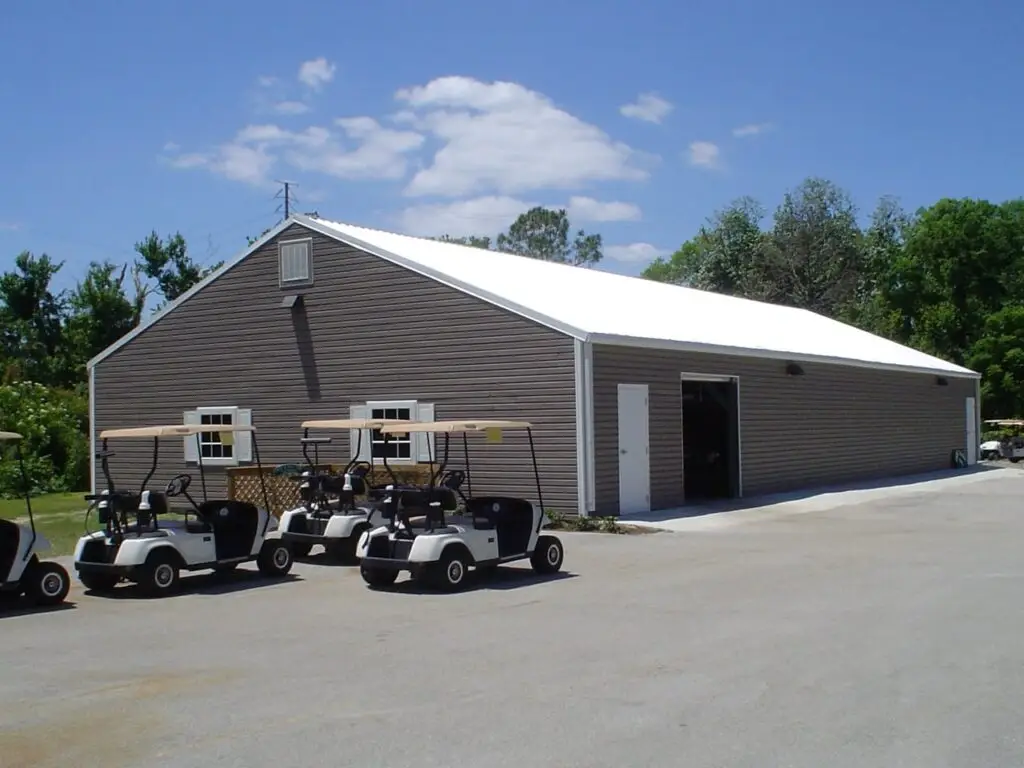
Metal buildings use steel framing, metal roofing panels, and engineered connections to create durable, cost‑effective enclosures for barns, shops, arenas, hangars, and garages. Prefabricated steel parts are manufactured offsite and then erected on location, which speeds the schedule and reduces waste while giving a long service life versus many traditional materials. Choosing local fabricators brings clear advantages: quicker responses, firsthand knowledge of permit and inspection practices, and familiarity with local climate and seismic needs. Below are the main benefits at a glance.
- Durability and Longevity: Steel framing resists pests, rot, and fire better than wood.
- Faster Delivery: Prefabricated components can shorten on‑site build time by weeks.
- Cost Efficiency: Less labor and material waste typically lower upfront costs.
Those benefits translate into real savings and more predictable schedules. Next we’ll look at how metal buildings hold up over time and what local site factors affect the design.
How Do Metal Buildings Offer Durability and Longevity?
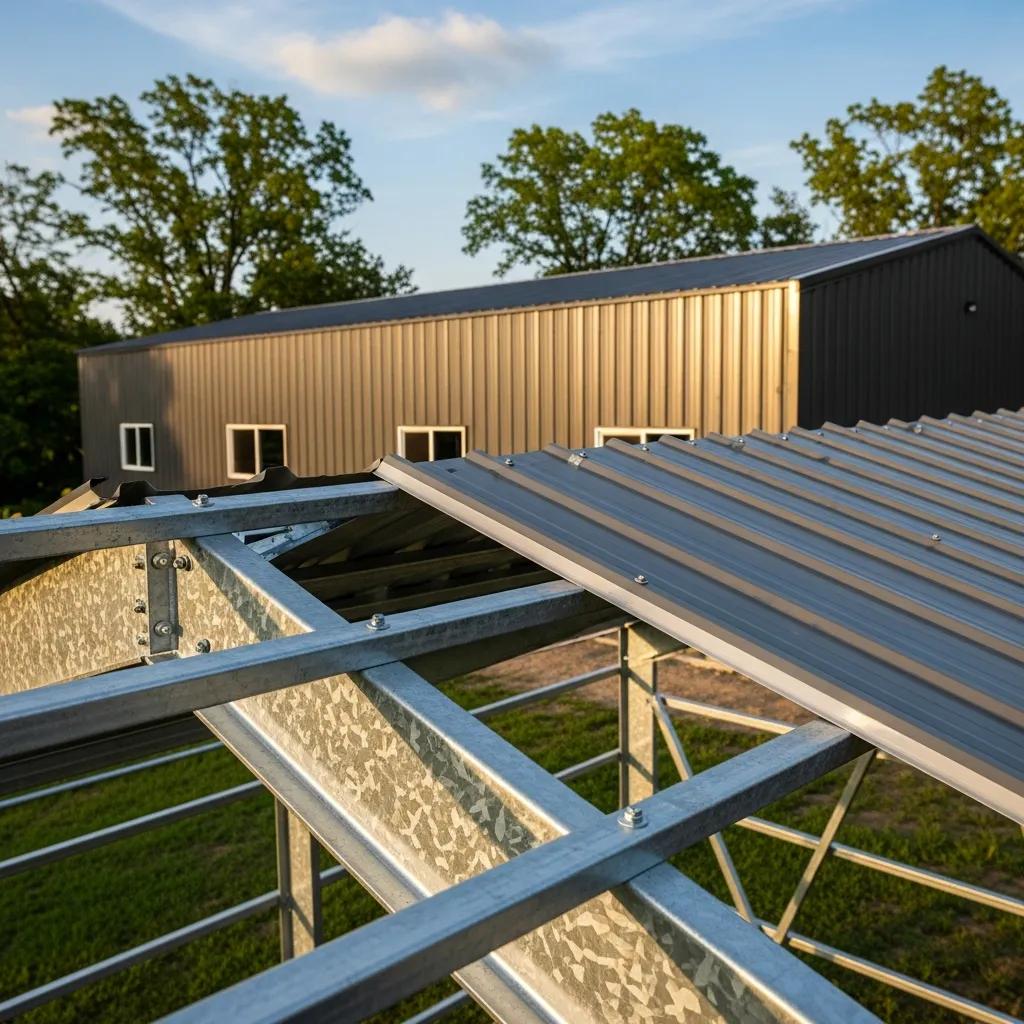
Corrosion‑resistant steel and protective coatings form the core of a metal building’s defense, keeping moisture and oxidation from eating the structure. Steel’s high strength‑to‑weight ratio reduces foundation loads and lets you build clear spans for open interiors. Many manufacturers back panels and coatings with warranties in the 40–50 year range on select products, and regular checks — like tightening roof fasteners and inspecting seals — keep performance strong.
Knowing how durability works helps owners compare warranties and set up a simple maintenance plan. That’s where local fabricators’ experience with regional climate and soils becomes valuable.
Why Is Local Expertise Crucial for Northern California Metal Building Projects?
Northern California projects must meet seismic design rules, deal with local wind loads, and handle variable rainfall — all of which affect connections, bracing, and roof drainage. Local fabricators understand typical permit requirements and inspection points, which reduces rework caused by incomplete plan submissions. Familiarity with valley soils also helps recommend foundation types and excavation needs that save money and time. In short, regional knowledge shortens timelines and lowers the risk of costly mid‑project changes. Next we’ll outline the turn‑key services local fabricators typically provide.
Which Metal Building Construction Services Do Local Fabricators Provide?
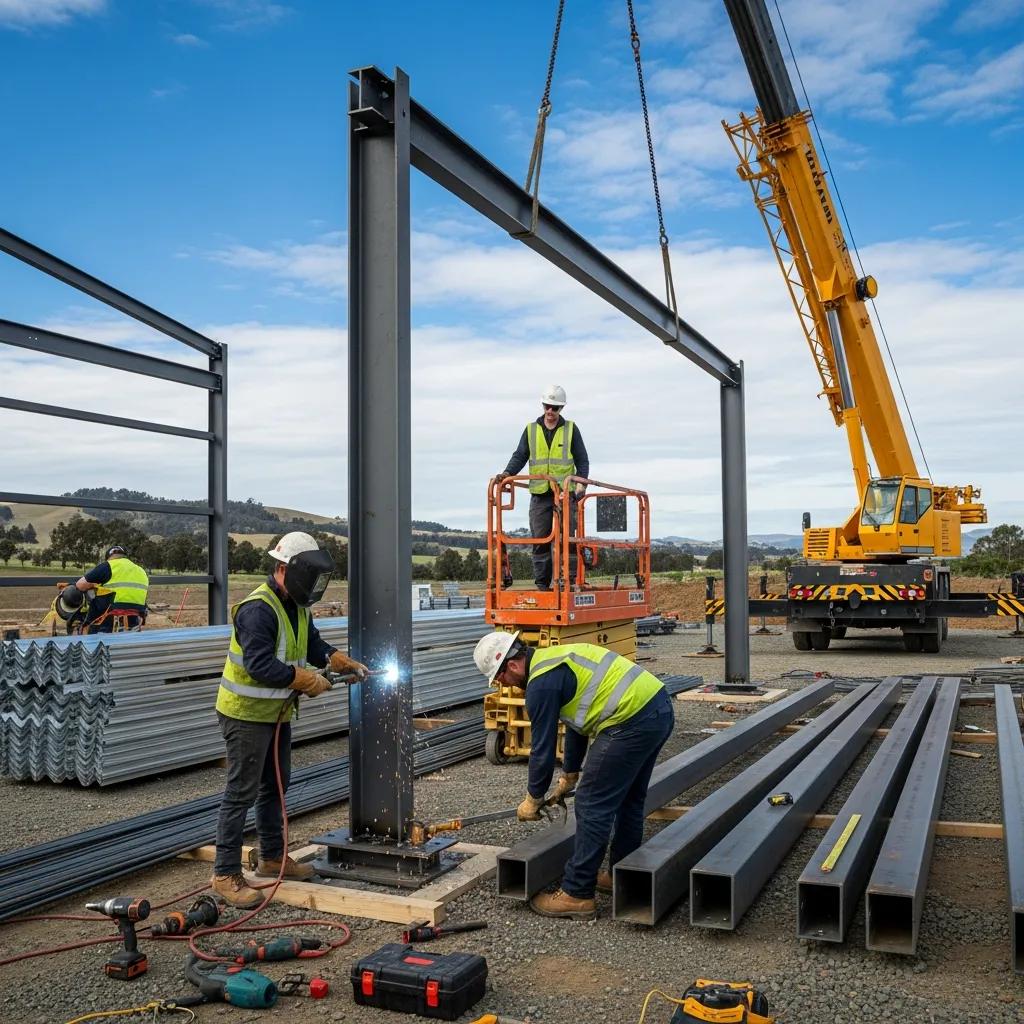
Local metal building fabricators commonly provide turn‑key services that cover design through final inspection, so owners don’t have to coordinate every trade. Typical scope includes engineering and design help, permit processing, site grading and excavation, concrete foundations, fabrication and delivery of steel components, on‑site erection, finishing (doors, insulation, trim), and post‑install support like warranty coordination. The list below highlights common bundled services to help you compare bids.
- Design & Engineering: Structural calculations, drawings, and code compliance.
- Permit Processing: Plan submittal, required revisions, and coordination with authorities.
- Site Preparation & Foundations: Grading, excavation, and concrete footings or slabs.
- Fabrication, Delivery & Installation: Shop‑cut steel framing and on‑site erection.
- Finishing & Post‑Install Support: Insulation, doors, trim, inspections, and warranty follow‑up.
These turn‑key packages reduce owner oversight by giving you a single point of responsibility for schedule and quality. The table below breaks typical tasks and outcomes into clear categories so you can spot what’s included in a proposal.
Introductory note: The table below clarifies the main turn‑key services, the specific tasks included, and the typical outcome owners can expect.
| Service | Included Tasks | Typical Outcome / Benefit |
|---|---|---|
| Permit Processing | Plan prep, submittal, agency coordination | Faster approvals and fewer compliance revisions |
| Site Preparation | Grading, excavation, utility rough‑ins | Stable, code‑compliant base for foundations |
| Foundation Installation | Concrete footings/slabs, anchor bolts | Secure anchoring for steel framing and loads |
Use this table to spot gaps in bids — for example, if a quote leaves out site surveying or permit fees, ask for a clear line‑item. After you review scope, the next common question is whether pre‑engineered systems save time and money versus custom designs.
What Is Included in Turn‑Key Metal Building Construction Services?
Turn‑key contracts bundle engineering, procurement, site work, erection, and closeout into a single agreement that lays out responsibilities, schedule, and warranty coverage. When comparing bids, confirm if the proposal includes stamped structural drawings, geotechnical recommendations for foundations, permit fees, and finishing items like doors, windows, and insulation. Optional add‑ons — mezzanines, specialty doors, or higher‑performance roofing — should be separate line items so you can compare baseline costs. Ask about change‑order procedures, lead times for fabricated steel, and whether warranties transfer to a new owner to avoid surprises.
Clearing up those details gives a fair basis to compare pre‑engineered systems and custom metal structures, which we cover next.
How Do Permit Processing and Site Preparation Support Metal Building Projects?
Permits make sure your plans meet local building codes and inspection protocols. The process usually involves plan submittal, review cycles, and scheduled inspections — getting the paperwork right the first time lowers revision cycles. Site work starts with a survey and often a geotechnical report to guide foundation depth, drainage, and grading; addressing weak soils or high water table issues early prevents costly foundation changes later. The usual sequence — survey, geotech, grading, foundation, then erection — keeps work efficient. A common example: if weak soils are found during excavation, engineered footing changes made before the concrete pour avoid rework after erection.
What Are the Key Benefits of Choosing Pre‑Engineered and Custom Metal Structures?
Pre‑engineered metal buildings offer predictable costs and faster build times because manufacturers produce standard components for common spans and loads. Custom metal structures give more flexibility for unusual footprints, special architectural features, or unique equipment needs. The right choice depends on your priorities: speed and predictable pricing versus tailored design and specific functionality. The short table below compares typical trade‑offs.
| Building Type | Typical Build Time | Best-fit Use Case |
|---|---|---|
| Pre-engineered metal building | Shorter (weeks) | Standard barns, shops, clear‑span storage |
| Custom metal structure | Longer (months) | Unique footprints, integrated systems, specialized hangars |
| Hybrid (pre-engineered + custom finishes) | Moderate | Speed with tailored finishes or bays |
Typically, pre‑engineered wins on time and initial cost while custom gives the adaptability you need for special operations. That brings up energy performance and lifecycle cost — covered next.
How Do Metal Buildings Compare in Cost‑Effectiveness and Energy Efficiency?
In short: metal buildings often cost less up front and deliver strong lifecycle value when insulated and maintained correctly. Insulated metal panels, reflective roof coatings, and well‑designed ventilation reduce heating and cooling loads, and clear‑span layouts cut internal obstructions. Common energy strategies include:
- Insulated roof and wall panels to reduce thermal transfer.
- Reflective coatings and ridge or cupola venting to limit solar heat gain.
- High‑performance doors and sealed penetrations to prevent air leakage.
Used together, these measures help metal buildings perform efficiently over decades, especially when backed by a warranty on the building envelope.
What Customization Options Are Available for Metal Building Designs?
Customization covers footprint, roof slope and style, door and window placement, mezzanines, insulation R‑values, and equipment integration for agricultural or aviation needs. Prioritize functionality (clear‑span versus column spacing), plans for future expansion, and durable finishes. Common choices include colored metal panels and trim, insulated overhead doors, and integrated office mezzanines; modular options make later expansion easier. Making these decisions in the design phase ensures the building fits today’s needs and tomorrow’s growth.
Why Choose Ibarra Construction as Your Local Metal Building Fabricator?
Ibarra Construction focuses on Northern California metal building solutions and promotes turn‑key services like permit processing, site grading, excavation, concrete foundation work, and metal building installation. The company emphasizes hands‑on owner oversight from Diego Ibarra, free estimates, competitive price matching, and long warranty options (up to 40–50 years on select products). Ibarra Construction lists verifications such as BBB and HomeAdvisor and highlights values like integrity, quality, transparency, dedication, and teamwork.
- Owner Involvement: Diego Ibarra, a journeyman carpenter, provides hands‑on project oversight.
- Turn‑key Capability: Services that cover design coordination through installation and closeout.
- Client Protections: Free estimates, price matching, and long warranty options on select products.
Those attributes suit owners who want a single local point of accountability for their metal building project. Below we explain the owner’s role, service area, and next steps for a free estimate.
What Unique Value Does Diego Ibarra Bring to Metal Building Projects?
As owner and a journeyman carpenter, Diego Ibarra brings direct, practical oversight during fabrication and on‑site work. Owner‑led projects reduce handoffs and speed decisions on submittals, change orders, and installation details. That steady point of contact helps clients who prefer consistent communication through design, permitting, and construction. When you request a quote, ask how Diego will be involved in scheduling and site supervision.
Which Northern California Areas Does Ibarra Construction Serve?
Ibarra Construction serves Woodland, Sacramento, Vacaville, Fairfield, Dixon, Davis, and Winters in Northern California. The focus is on property owners, agricultural clients, and commercial planners who value local permit navigation and nearby project experience. Working with a nearby fabricator shortens travel for site visits, eases inspector coordination, and lets contractors apply lessons from similar local jobs. Request a free estimate or consultation to review project details and warranty options; you can discuss turn‑key services and timelines directly with the team.
Frequently Asked Questions
1. What are the typical timelines for metal building construction projects?
Timelines depend on design complexity, building type (pre‑engineered vs. custom), and local permitting. Pre‑engineered buildings can be completed in a matter of weeks; custom buildings often take several months because of bespoke design and extra approvals. Working with local fabricators usually speeds the process since they know regional rules and can help move permits along.
2. How do I choose the right metal building fabricator for my project?
Pick a fabricator with experience on projects like yours, solid references, and the right accreditations. Look for turn‑key services if you want one point of contact for design, permits, and installation. Ask for detailed quotes and get clarity on warranties, timelines, and who handles inspections so you can compare providers fairly.
3. What are the maintenance requirements for metal buildings?
Metal buildings are relatively low maintenance, but routine checks keep them lasting longer. Typical tasks are inspecting for rust, checking roof panels and fasteners, maintaining drainage, and clearing gutters. Promptly fixing minor issues prevents bigger repairs. Follow manufacturer maintenance guidelines to maximize life and warranty coverage.
4. Are there financing options available for metal building projects?
Many fabricators offer financing or can point you to lenders that specialize in construction loans. Options may include payment plans or partnerships with financial institutions. Discuss financing during your initial consultation so you understand available terms and how they fit your budget. Some projects may also qualify for incentives or rebates for energy‑efficient upgrades.
5. How do energy efficiency measures impact the cost of metal buildings?
Energy upgrades cost more up front but typically save money over time. Insulated panels, reflective roofs, and better doors reduce heating and cooling costs and may qualify for tax credits or rebates. When weighing options, factor in long‑term savings and potential incentives to see the real return on investment.
6. What are the common uses for metal buildings?
Metal buildings are flexible: they serve agricultural storage, commercial warehouses, retail spaces, residential garages, aircraft hangars, workshops, and event venues. Their adaptability lets you customize layout and finishes to match function and appearance requirements.
7. What should I consider when planning for future expansion of my metal building?
Plan for expansion by choosing modular designs or clear‑span layouts, designing foundations and utilities with growth in mind, and checking local zoning rules. Talk to your fabricator about future needs during design so expansions later require less rework and cost.
Conclusion
Working with local metal building fabricators gives you regional code knowledge, shorter timelines, and cost‑effective solutions shaped to your needs. With a clear understanding of durability, energy options, and customization choices, a trusted local fabricator can guide you through each step of the build. Request a free estimate today to review your project and see how we can help bring your plans to life.