
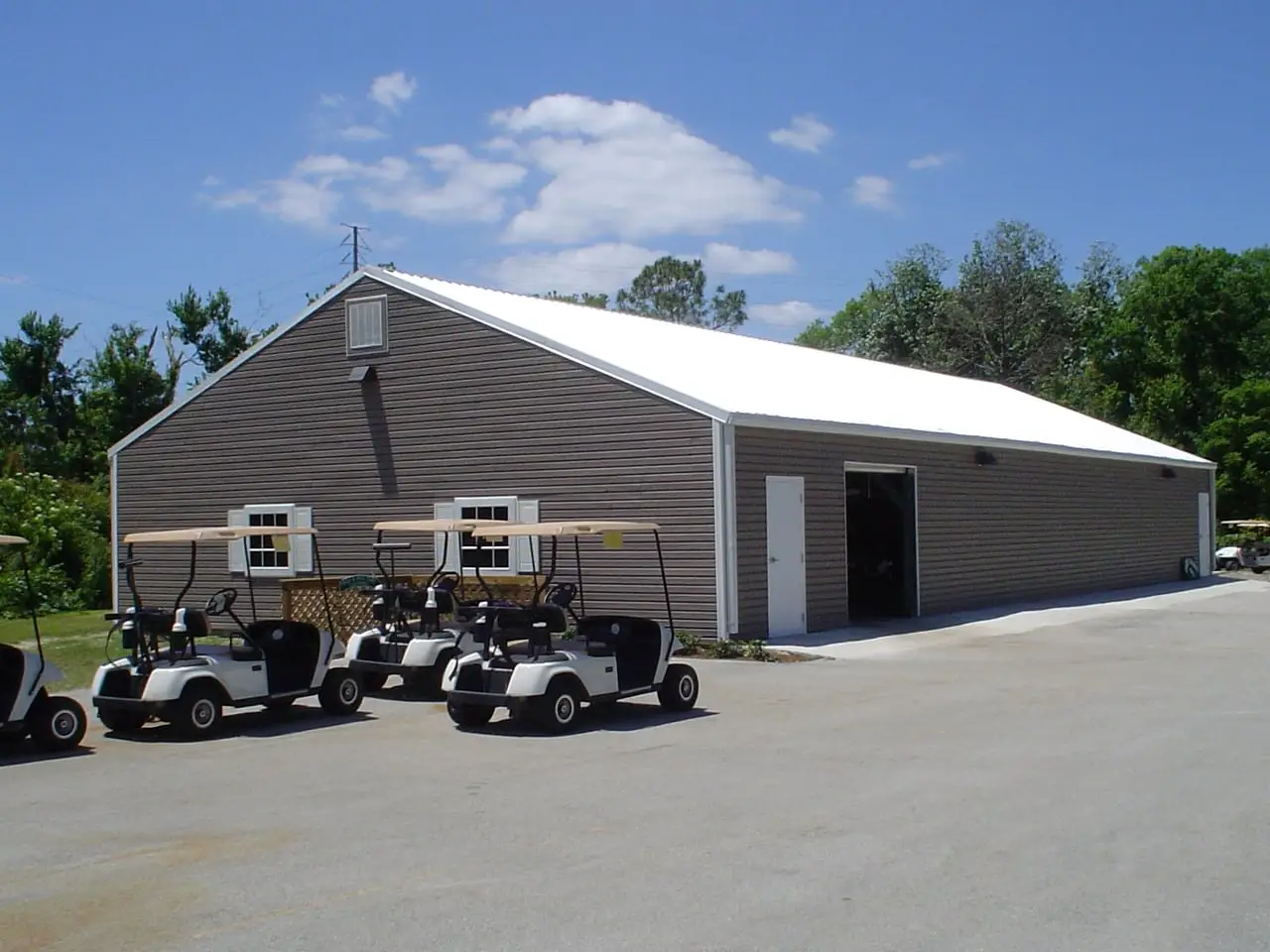
Fire-resistant steel structures combine non-combustible metal framing with protective coatings, engineered design, and code-compliant construction practices, giving property owners a building system that performs differently than wood-frame alternatives when heat and flame are involved. Ibarra Construction builds turn-key metal buildings in Woodland, CA, using durable steel systems engineered for Northern California wildfire conditions and built to protect agricultural, commercial, and rural properties. This guide walks through what “fire resistant” actually means for steel, the specific advantages steel offers over wood, how steel performs for agricultural and rural applications, and what to look for when choosing a steel building for your property.
Are Steel Structures Fire Resistant?
Steel does not burn, but that fact alone does not make a building fireproof. Understanding the fire resistance of steel structures starts with a distinction that matters for every property owner: non-combustible and fireproof are not the same thing.
Steel is non-combustible, meaning it will not ignite and will not add fuel to a fire the way wood framing does. That is a genuine structural advantage. But steel is not immune to heat. Once temperatures climb high enough, unprotected steel columns and beams lose load-bearing strength rapidly, and that weakening can lead to structural failure well before the steel itself would ever melt or burn.
Does steel lose strength in a fire?
Yes. Load-bearing capacity drops as steel heats up, which is why building codes generally require fire protection for structural steel unless an unprotected member’s fire performance has already been justified through testing or engineered design analysis. This is the core engineering reality behind steel buildings fire resistance: the material resists ignition, but the structure still needs to be engineered and protected to perform safely under real fire conditions.
So are steel buildings fire resistant? Yes, in the sense that matters most — they resist ignition, don’t contribute fuel to a fire, and can be engineered with protective systems that maintain structural integrity far longer than comparable wood-frame construction. Ibarra Construction accounts for this at the planning stage, so fire resistant steel buildings are engineered correctly from day one rather than retrofitted later.
5 Fire-Resistant Advantages of Steel Structures
Steel construction benefits go beyond simply “won’t burn.” Here are five specific advantages that make fire resistant steel construction a sound choice for commercial, agricultural, and rural property owners.
- Non-fueling material. Steel does not ignite and does not add combustible fuel to a fire, unlike wood framing, which can accelerate flame spread through a structure.
- No smoke or toxic off-gassing from the frame. Structural steel does not generate the smoke and off-gassing risks associated with burning wood members during a fire event.
- Structural integrity under engineered protection. When paired with proper fireproofing coatings or design justification, steel framing maintains load-bearing performance far longer than unprotected wood.
- Compatibility with modern fire protection systems. Steel integrates cleanly with intumescent coatings, fire-rated assemblies, and other protection measures without compromising the frame’s structural role.
- Long-term durability that supports consistent protection. Because steel resists corrosion, pests, and decay, the protective systems applied to it stay effective for decades rather than degrading alongside a weakening substrate.
Together, these advantages of steel structures explain why commercial and agricultural property owners across Northern California increasingly choose steel over traditional wood-frame construction.
Steel vs. Wood: Fire Resistance
A side-by-side comparison makes the practical difference clear for property owners weighing building materials.
| Factor | Steel Structures | Wood-Frame Structures |
|---|---|---|
| Combustibility | Non-combustible; will not ignite or fuel a fire | Combustible; adds fuel and accelerates flame spread |
| Behavior under heat | Loses strength at high temperatures without protection, but predictable and testable | Burns, chars, and loses structural capacity as it combusts |
| Code requirements | Protection required unless fire performance is justified through testing or design analysis | Requires fire-rated assemblies, sheathing, or treatments to meet code in many applications |
| Pest and moisture resistance | Resists rot, pests, and moisture damage | Vulnerable to termites, rot, and moisture-driven decay |
| Long-term durability | Corrosion-resistant systems hold up over decades | Requires ongoing maintenance to preserve structural life |
The comparison isn’t about wood being unsafe — it’s about which material gives engineers more predictable, testable options when fire resistant steel construction is the goal from the start.
Fire-Resistant Steel Buildings for Agricultural & Rural Properties
Agricultural operations and rural landowners carry fire exposure risks that differ from a typical commercial site: equipment storage, hay and feed, fuel, and machinery all raise the stakes when wildfire risk is part of the picture. Steel buildings address this directly.
- Equipment storage and workshops benefit from non-combustible framing that protects tractors, vehicles, and tools from fire spread originating in adjacent structures or vegetation.
- Warehouses and storage buildings holding feed, supplies, or inventory gain a structural shell that won’t itself become fuel during a fire event.
- Rural outbuildings positioned near open land or dry vegetation carry elevated exposure, making non-combustible construction a practical safeguard rather than an upgrade.
Ibarra Construction designs fire resistant agricultural buildings around these realities, engineering structures that hold up to agricultural use while giving rural property owners a meaningfully more fire-resilient building than wood-frame alternatives.
Why Fire Resistance Matters in Northern California
Wildfire risk across Northern California continues to shape how property owners think about construction materials. Demand for durable, efficient steel building fire protection keeps growing as commercial owners, agricultural operators, and rural landowners look for buildings that can withstand the region’s fire environment rather than simply meet minimum code.
Based in Woodland, California, Ibarra Construction serves property owners throughout the region with direct knowledge of local conditions. That regional presence supports faster response, closer project oversight, and construction decisions built around Northern California’s specific wildfire exposure — not a generic, one-size-fits-all specification.
Other Benefits of Steel Structures
Fire resistance is a major reason property owners choose steel, but it isn’t the only one. Galvanized steel and aluminum framing, paired with corrosion-resistant roofing and wall panels, deliver several additional advantages:
- Pest resistance — steel framing gives insects and rodents nothing to burrow into or feed on, unlike timber framing.
- Low maintenance — steel resists the moisture damage, warping, and rot that drive ongoing upkeep costs in wood-frame buildings.
- Long-term durability — corrosion-resistant materials hold up under decades of real-world use, protecting the investment well beyond the framing stage.
- Flexible design — steel buildings support customizable dimensions and layouts, integrated systems such as lighting and ventilation, and adaptable interior arrangements for equipment, livestock, or inventory storage.
None of this holds up without proper foundation and drainage work. Foundation design carries the structural loads placed on walls, roofs, and equipment inside the building, while drainage planning protects footings from water intrusion and soil erosion. Together, these elements determine whether a steel structure performs reliably for agricultural operations, storage facilities, or commercial use over the long term.
Choosing the Right Steel Building for Your Project
Selecting a fire resistant steel building comes down to more than picking a material — it depends on how the entire project is planned and executed. Ibarra Construction builds around three priorities on every project:
- Structural strength engineered to resist heat-related weakening over time.
- Functional design suited to the specific commercial or agricultural use, since fire resistant commercial buildings and fire resistant agricultural buildings face different loads, occupancy demands, and fire exposure risks.
- Long-term durability that protects the investment for decades, not just years.
Full-service metal building construction in Woodland, CA covers permits, foundations, and final installation as one coordinated process, so property owners aren’t left coordinating separate contractors or discovering fire protection gaps after the frame is already up. That turn-key approach is what allows Ibarra Construction to deliver fire resistant metal buildings that are engineered correctly from the start.
Conclusion
Fire-resistant steel structures represent a genuine investment in long-term building durability and occupant safety, not just a material preference. The inherent properties of steel — combined with proper design, protective coatings, and engineered construction — deliver buildings that stand up to extreme conditions while maintaining structural integrity, offering commercial owners, agricultural operators, and rural landowners a clear advantage over wood-frame alternatives.
Protect your commercial, agricultural, or rural property with a steel building engineered for Northern California’s fire conditions. Ibarra Construction handles every step — permits, foundations, and final installation — so your structure is built right from day one. Call (530) 309-8158 or email diego@ibarraconstruction.com to start planning your fire-resistant metal building today.