
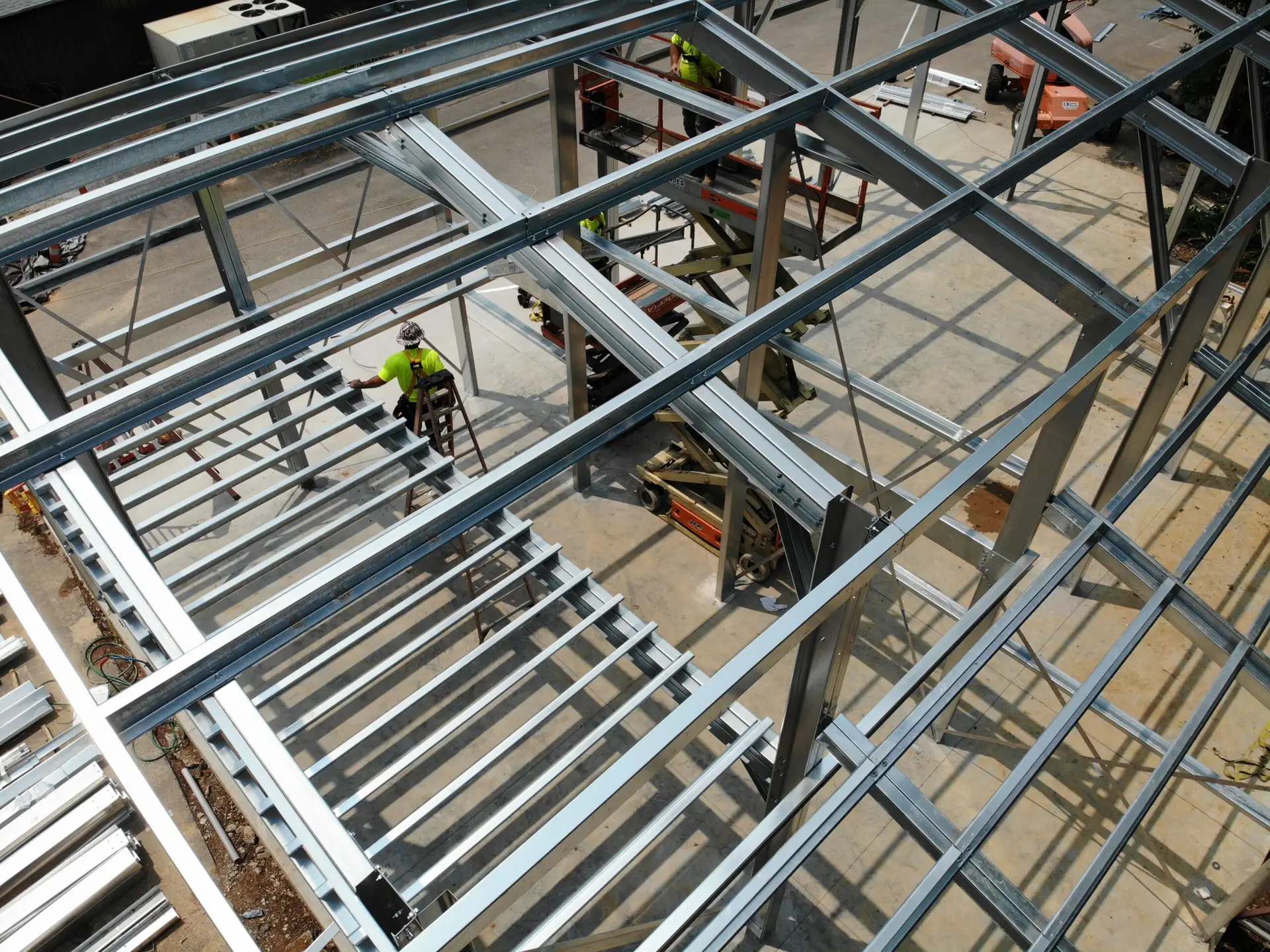
Hidden fees are charges that don’t show up clearly on an initial bid but can materially raise a project’s final cost — and push schedules off track. This guide lays out what those fees look like, why they surface, and how you can spot and manage them before you sign a contract. You’ll learn the most common concealed charges — from surprise site work to permit and engineering add-ons — how to read and compare itemized estimates, and practical negotiation moves to limit unexpected costs. We cover both pre‑engineered kits and custom steel framed projects, flag red flags in proposals, and give checklists, sample tables, and ready‑to‑use negotiation lines for suppliers and contractors. Each section includes actionable steps and reference tools so you can demand clear pricing and protect your budget. By the end, you’ll have a reproducible cost‑breakdown method, an inspection checklist, and next steps to reduce financial risk when buying metal building services.
What are the common hidden costs in metal building projects?
Hidden costs usually show up as vague or grouped line items that later inflate the final price. They most often appear during site work, permitting, delivery, and change orders. Identifying these categories early cuts financial risk and helps you compare bids fairly. The table below maps typical hidden fee types to when they appear and how to detect them.
Table: Typical hidden costs, timing, and detection signals
Hidden Fee Type | When It Appears | Why It Matters / How to Detect |
|---|---|---|
Site condition surcharges | During excavation or foundation work | Watch for vague site‑prep allowances and request soil/rock reports up front |
Permit & inspection fees | During permitting phase | Confirm whether permits are included or flagged as “owner responsibility” |
Delivery / freight surcharges | At shipment or delivery scheduling | Ask for freight terms, delivery windows, and what triggers surcharges |
Change orders | After work begins or when designs change | Require written change‑order procedures, unit pricing, and approvals |
Engineering & stamp fees | With plan approvals or custom components | Verify whether engineering and stamped plans are included or billed separately |
Use this table to pinpoint where extras usually hide and what to ask so they surface early. The sections that follow unpack each category with examples and detection tactics.
Which unexpected expenses arise during steel building construction?
Unexpected expenses typically come from site conditions and logistics that require extra labor or materials. For example, buried rock or unstable soil can force deeper footings or specialty foundation work, adding material and machine hours. Weather delays create storage needs or extended labor costs when erection windows slip, and limited site access can increase crane time or require extra rigging. The best defense is a pre‑bid site survey, a geotechnical report, and clear scope language that spells out responsibilities and allowances — that way these items are less likely to become surprise bills.
How do pre‑engineered metal building fees affect the total cost?
Pre‑engineered kits often look inexpensive at first glance, but customization, modifications, and required engineering stamps can quickly widen the gap to the turnkey price. Upgrades like heavier doors, insulation, gutters, or specialty trim are usually priced per unit and sometimes have minimums that multiply costs. Design changes after fabrication starts can trigger rework and expedited shipping fees. Review the manufacturer’s scope, ask for unit pricing on common upgrades, and confirm who pays for certifications and re‑engineered components to avoid a large delta between the base quote and the delivered job.
How to break down metal building project costs transparently?
A clear cost breakdown lists each line item — materials, labor, site prep, foundation, permits, delivery, engineering, and extras — so you can compare bids apples‑to‑apples and spot omissions. First, require itemized estimates with unit prices and explicit exclusions. Second, standardize assumptions across bidders (access, soil conditions, who handles permits). Below is a sample itemized breakdown showing where hidden fees commonly appear and what you should expect to see.
Intro to cost table: This table models standard line items buyers should request on any estimate to make comparisons straightforward.
Line Item | What It Covers | Typical Notes / Expectation |
|---|---|---|
Site preparation | Grading, clearing, soil remediation | Reference soil report and list allowances for rock removal |
Foundation | Footings, slab, anchor bolts | Specify depth/reinforcement and identify who handles concrete testing |
Materials | Structural frames, panels, fasteners | List material grade and finish; confirm warranty and lead times |
Labor & installation | Erection, crane, bolting | Request labor hours or unit rates and state access assumptions |
Delivery & freight | Transportation to site, unloading | Clarify freight terms and triggers for surcharges or re‑deliveries |
Permits & engineering | Permit fees, stamped plans | State whether permits and engineering are included or will be billed separately |
Extras & add‑ons | Insulation, gutters, doors, electrical | Require unit pricing for typical upgrades and list exclusions |
This itemized view sets expectations and supports negotiation. Use the checklist below to make sure estimates are comparable before awarding a contract.
Checklist before comparing bids:
Request itemized unit pricing for common add‑ons and likely change orders.
Standardize site assumptions (access, grading, rock) so bidders quote to the same conditions.
Require clarity on engineering and permits — either include them or state owner responsibilities.
Bottom line: insist on this level of detail to reduce ambiguity and to make it easy to question lumped contingency charges.
At Ibarra Construction, we guide clients through transparent cost breakdowns and can prepare an itemized estimate separating materials, labor, permits, and probable contingencies. If you want a line‑by‑line review, we offer a free estimate and consultation to evaluate proposals and flag items that commonly lead to overruns. Our goal is to help you compare bids with confidence and avoid surprise costs.
What should buyers know about metal building construction pricing?
Pricing is driven by materials, labor, site complexity, customization, and local regulatory costs. Knowing how those variables feed the final price helps you forecast budgets and negotiate. Quotes usually come in two forms: turnkey (a single price) or itemized bids. Turnkey simplifies procurement but can hide exclusions; itemized bids make comparison easier but require more review. Overhead, profit, and contingency allowances are legitimate parts of a quote — they just need to be explicit, not buried in vague lump sums.
Pricing model comparison:
Turnkey bids: One number that covers everything — simpler, but can obscure exclusions.
Itemized bids: Line‑by‑line costs — better for comparison and negotiation.
Unit pricing: Useful for change‑order control and understanding marginal costs.
Takeaway: favor itemized quotes and unit pricing when you want control over the budget and fewer surprises during construction.
How are metal building construction prices determined?
Contractors and suppliers add material costs, labor, overhead, profit margin, and allowances for the unknown to reach a final quote. Material cost varies by steel grade, coatings, and panel type; labor reflects local wage rates and productivity assumptions. Overhead and margin cover business costs and are added as percentages. Contingency or allowances account for uncertain site conditions. Asking bidders to separate these elements (material lists, labor hours, contingency percentages) exposes assumptions and makes it easier to question or reallocate costs.
What factors influence steel building pricing variations?
Regional and bid‑to‑bid differences come from freight distance, local labor availability, and jurisdictional permit requirements. Material grade (thicker gauges, higher galvanization) and finishes (insulation, specialty coatings) raise base prices, while short lead times can add premium shipping charges. Compare like‑for‑like specs across bids and ask for freight and lead‑time allowances so you can understand pricing variance.
Key factors checklist:
Freight distance and delivery terms — these affect transport surcharges.
Local labor market and permitting — installation and admin costs vary by location.
Material grade and finish — they determine base kit price and long‑term durability.
Summary: compare specifications and terms closely to see why prices differ and what you can negotiate.
How to identify and manage metal building hidden fees effectively?
Managing hidden fees takes proactive documentation, verification, and contract language that limits discretionary charges and defines change‑order procedures. Start with a pre‑bid site inspection and a soil report to reduce unknowns. Demand itemized bids with unit prices and require a written change‑order workflow with approval thresholds. Bring in third‑party plan reviewers or engineers when needed, and negotiate contract clauses that allocate risk for unforeseen site conditions. The action plan below gives clear steps buyers can take to detect and control extra costs.
Action checklist to detect and manage hidden fees:
Order a soil and site report early so foundation risks are quantified before bids close.
Document exclusions and allowances in writing so there’s no ambiguity about what’s included.
Request time‑bound pricing and unit rates so changes are priced predictably.
Include a change‑order procedure with approval thresholds to cap surprises and require written consent.
Summary: a disciplined pre‑bid process plus clear contract language is your best defense against hidden fees.
Once you use these tactics, you can negotiate protective contract terms. Ibarra Construction can review estimates and recommend contract language that limits change‑order exposure. We offer a free consultation to help identify likely surcharges and to draft scope language that keeps bids comparable and risks transparent.
What strategies help detect unexpected metal building expenses?
Detect likely extras by gathering objective site data and putting assumptions in writing before work starts. Get a professional site survey and a geotechnical report to expose soil, groundwater, or buried‑rock conditions that drive foundation costs. Request itemized unit pricing for common extras and insist estimates list exclusions so you can compare how each bidder allocates risk. Confirm permit responsibilities early and verify whether engineering stamps and inspections are included to avoid last‑minute administrative fees.
How can buyers negotiate to minimize hidden costs?
Negotiate explicit unit prices, limit contingency percentages, and add caps or approval limits for change orders into your contract. Offer cost‑sharing on genuinely unforeseeable items, request holdbacks tied to substantial completion, and require written change‑order quotes before any extra work begins. Use competitive bids to pressure for better unit pricing on add‑ons and leverage documented site reports to remove speculative allowances. Tight, documented contract language tied to clear assumptions is the strongest deterrent to surprise billing.
Final business note: if you’d like a professional estimate review or help drafting bid specs and contract clauses that limit hidden fees, Ibarra Construction provides a free estimate/consultation and practical advice on enforceable scope language. Contact us to request a review and discuss next steps to protect your project budget.
Frequently Asked Questions
What are the best practices for comparing bids for metal building projects?
Ask for itemized estimates that break costs into clear categories: materials, labor, permits, and so on. Standardize assumptions across bidders — site access, ground conditions, and who handles permits — so quotes are comparable. Also request unit pricing for common upgrades and change orders. This approach makes it easier to spot hidden fees that might be buried in lump‑sum bids.
How can I ensure that my metal building project stays within budget?
Start with a detailed pre‑bid site inspection and a soil report to identify issues early. Require itemized bids with clear exclusions and documented allowances, and set up a change‑order process with approval thresholds. Monitor progress against the budget regularly and keep open lines of communication with your contractor. Those steps reduce the chance of costly surprises during construction.
What role do local regulations play in metal building costs?
Local regulations affect permit requirements, zoning, and code compliance — all of which can add fees and administrative time. Permit and inspection costs are sometimes omitted from initial bids, so understanding local rules lets you anticipate these charges and avoid delays or last‑minute expenses.
Are there financing options available for metal building projects?
Yes. Options include bank loans, construction loans, and manufacturer or contractor financing programs. Some lenders offer products tailored to construction that can cover materials and labor. It’s wise to explore several financing avenues and consult a financial advisor to find terms that match your timeline and cash flow.
How can I protect myself from contractor disputes during a metal building project?
Document everything in a detailed contract that defines scope, payment terms, timelines, and how changes are handled. Include dispute‑resolution language and require progress meetings to catch issues early. Consider a third‑party inspector for objective verification if disputes arise — an independent voice often prevents escalation.
What should I do if I encounter hidden fees after signing a contract?
First, review the contract to see whether the fees fall under agreed exclusions or allowances. Document the discrepancies and raise the issue with your contractor, seeking a written explanation. If necessary, negotiate a resolution or mediation. When negotiations fail, consult legal counsel to review your options for dispute resolution or potential claims.
Conclusion
Managing hidden fees in metal building projects protects your budget and keeps timelines on track. By insisting on itemized estimates, conducting solid site due diligence, and using clear contract language, you reduce the risk of costly surprises. These practices put you in control and make negotiations straightforward. If you want help reviewing estimates or drafting bid and contract language that limits hidden fees, Ibarra Construction offers a free consultation to guide your next steps.