
Understanding Different Metal Building Systems for Long‑Lasting Performance: A Practical Guide to Rigid Frame, Pre‑Engineered, Cold‑Formed, Pole Barn, and Quonset Hut Buildings
Metal building systems are assemblies of structural members, panels, and connections engineered to deliver durable, cost‑effective buildings for commercial, agricultural, and industrial use. Durability is especially important in Northern California — coastal corrosion, seasonal storms, and seismic activity all affect material choices and detailing that extend service life. This guide breaks down the main systems — rigid frame, pre‑engineered metal buildings (PEMBs), cold‑formed steel, pole barn (post‑frame) buildings, and Quonset huts — so owners can compare strength, span, insulation, and lifecycle cost.
Ask AI About This Guide
Opens your AI assistant with a question ready to send.
Read on to learn each system’s defining features, common uses, and practical selection criteria tied to maintenance and warranties. We also include concise comparison tables to speed decisions, compare cold‑formed steel with heavier framing, contrast pole barns and steel buildings, and show when Quonset huts make the most sense.
What Are the Key Types of Metal Building Systems?
Metal building systems fall into a few distinct categories, each optimized for different spans, budgets, and durability needs. Knowing these types helps property owners match structural capacity, insulation needs, and construction speed to project goals and local code requirements. The most common systems we cover here are rigid frame, PEMBs, cold‑formed steel, pole barn (post‑frame) hybrids, and Quonset huts — each has specific strengths around span, cost, and upkeep. Below is a short list to orient the comparison before we dig into details.
- Rigid frame buildings are engineered for large clear spans and heavy loads, making them a go‑to for warehouses and hangars.
- Pre‑engineered metal buildings (PEMBs) combine factory fabrication with on‑site customization, ideal for shops and arenas.
- Cold‑formed steel systems use light‑gauge members for smaller spans and interior framing where lower weight matters.
The table below gives a scannable comparison to help you decide quickly.
This table summarizes typical materials, applications, and cost factors for each major metal building system.
| System Type | Typical Materials / Components | Typical Applications / Span / Cost Consideration |
|---|---|---|
| Rigid Frame | I‑beams or built‑up columns, heavy rafters, insulated panels | Large clear‑span warehouses and hangars; higher initial cost, long service life |
| Pre‑Engineered (PEMB) | Factory‑fabricated steel frames, purlins, roof and wall panels | Commercial shops, arenas; cost‑efficient for repeatable designs and fast assembly |
| Cold‑Formed Steel | Light‑gauge studs, secondary steel, insulated cladding | Small commercial units, garages, interior systems; lower material weight and cost for shorter spans |
| Pole Barn (Post‑Frame) | Timber posts, girts, metal roofing and siding | Agricultural storage and livestock shelters; low upfront cost and simple construction |
| Quonset Hut | Curved arch panels, corrugated steel shell | Equipment storage and temporary shelters; low cost and rapid installation |
Choosing a system starts with matching span requirements, budget tolerance, and maintenance planning to the structural form. For projects in Northern California, working with a local contractor familiar with permits, foundations, and climate‑specific detailing shortens schedules and lowers risk.
Ibarra Construction, a Northern California metal building contractor based in Woodland, provides turn‑key solutions — from permits through completion — and offers free estimates to owners evaluating these systems. Our owner/operator involvement and regional experience help translate structural choices into practical scopes, and that local perspective informs the selection guidance below.
Which Features Define Rigid Frame Metal Buildings?
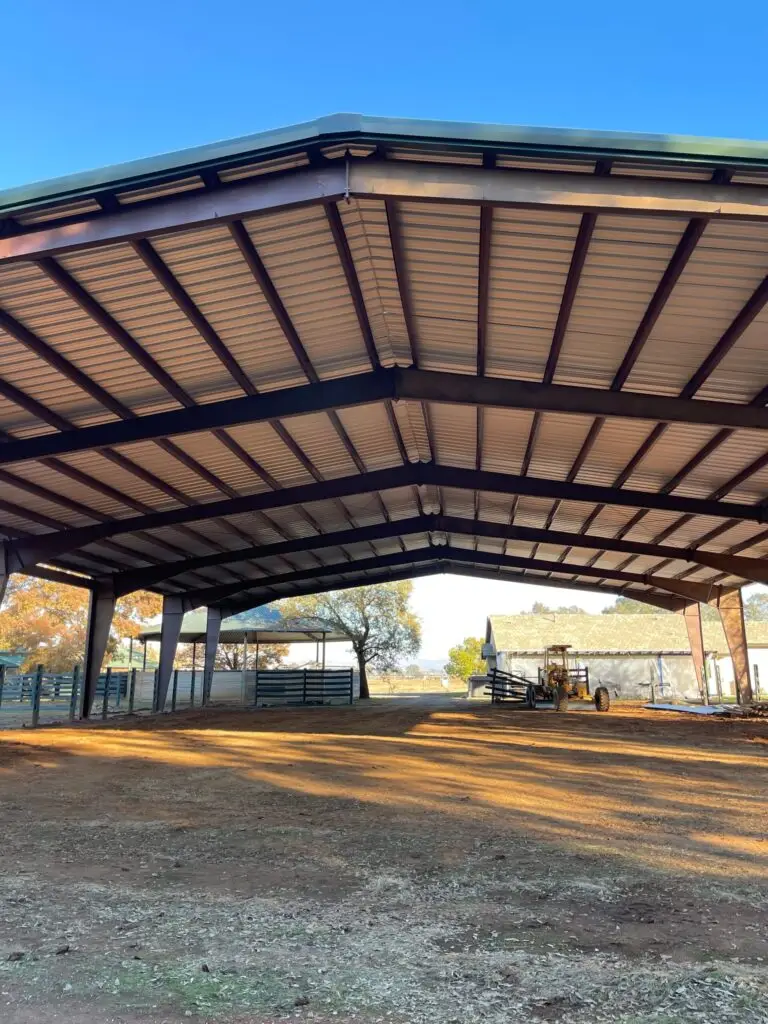
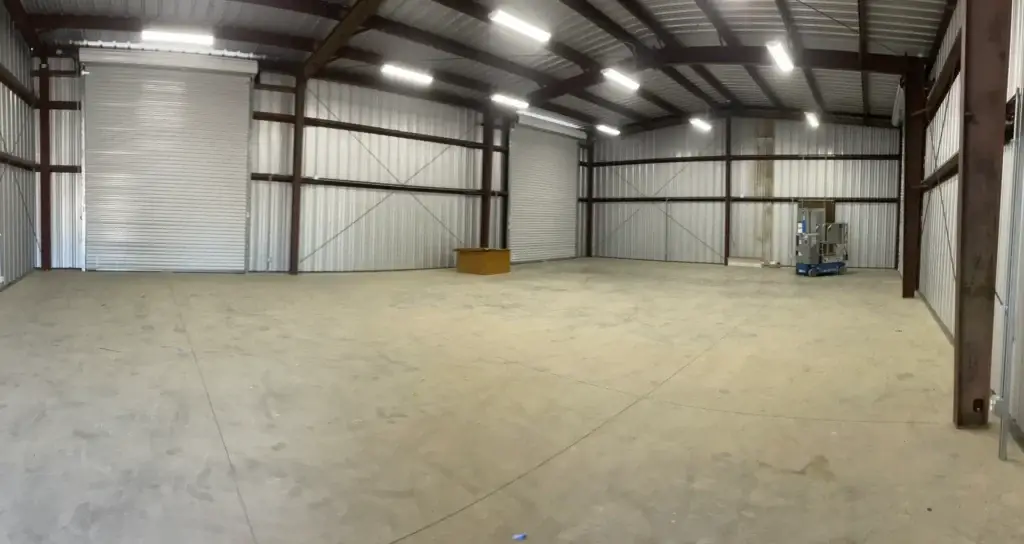
Rigid frame metal buildings use heavy structural members — typically I‑beams or built‑up sections — with rigid connections that transfer bending and shear through the frame. That arrangement allows large clear spans without interior columns, so rigid frames are ideal for high‑bay warehouses, aircraft hangars, and arenas needing unobstructed floor space. The main benefits are structural efficiency at long spans, easy integration of insulated roof and wall panels for better energy performance, and straightforward planning for foundations and seismic connections — all important considerations in Northern California.
How Do Pre‑Engineered Steel Buildings Offer Efficiency and Customization?
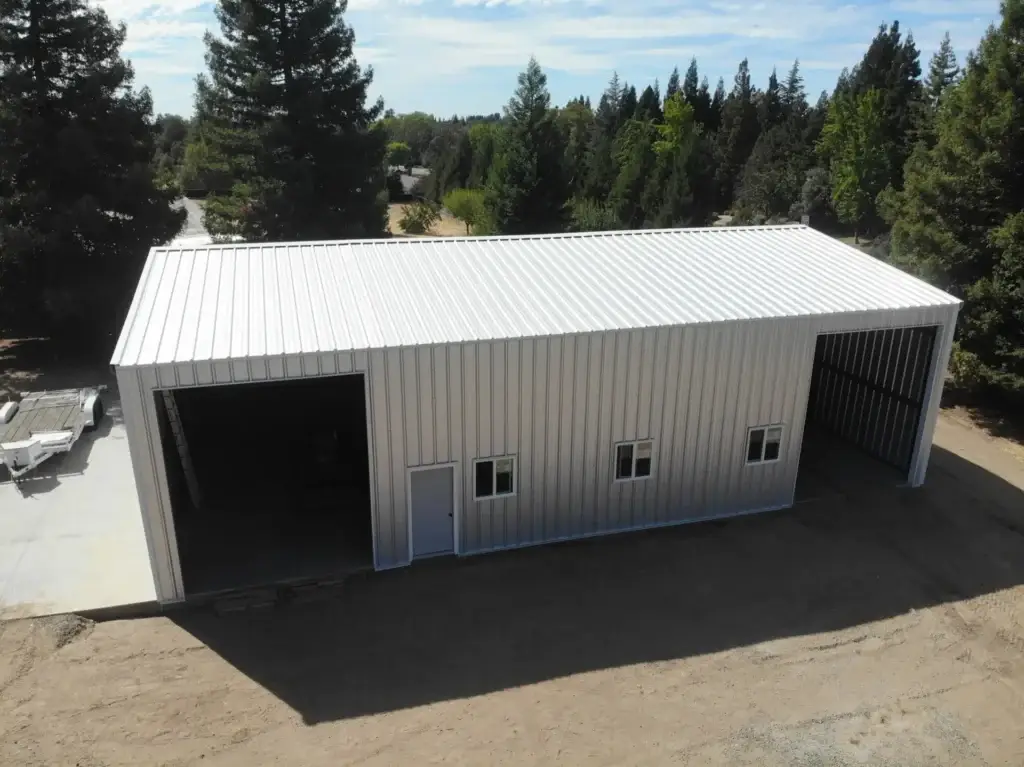
Pre‑engineered metal buildings (PEMBs) pair factory‑fabricated primary frames with site‑installed secondary members to cut on‑site labor and speed schedules. PEMBs give cost and time savings through standardized parts, tight tolerances, and fewer change orders, while still allowing custom door openings, mezzanines, and interior layouts for shops or covered arenas. Predictable pricing, faster assembly, and simpler coordination with foundation and utilities make PEMBs a strong choice when schedule and budget control matter. The next trade‑off to consider is how cold‑formed systems swap weight and cost for different practical uses.
Selecting the Right Metal Building System for Your Project
Cold‑formed steel construction uses light‑gauge, roll‑formed members that deliver a favorable strength‑to‑weight ratio and quick fabrication for smaller spans and retrofit projects. Compared with rigid frame and PEMB options, cold‑formed steel reduces foundation loads and can be more economical for garages, small commercial buildings, and interior framed systems, though it typically doesn’t provide the large clear‑span capacity of heavier frames. Durability depends on coatings, member thickness, and detailing — proper corrosion protection and thermal breaks preserve performance in coastal or humid areas. The table below lays out the trade‑offs.
This comparison highlights strength, weight, and insulation differences between cold‑formed steel and heavier structural systems.
| Attribute | Strength / Durability | Weight / Insulation / Use Cases |
|---|---|---|
| Cold‑Formed Steel | Moderate; performance depends on section shape and connections | Lightweight; best for short spans and insulated partitions |
| PEMB / Rigid Frame | High; large sections resist bending and shear | Heavier; enables long clear spans and integrated insulated panels |
| Quonset / Arch | Durable under distributed loads; performance tied to panel gauge | Moderate weight; fast install but limited interior partitioning |
Cold‑formed steel shines where weight reduction and interior flexibility are priorities, while heavier frames suit long clear‑span durability needs. Choose by balancing span requirements against insulation goals and long‑term maintenance expectations.
What Are the Advantages and Typical Uses of Cold‑Formed Steel Buildings?
Cold‑formed steel structures are valued for their lightweight members, precise fabrication, and efficiency in small‑to‑medium spans where heavy steel would be overkill. Benefits include smaller foundation requirements, steady material availability, and easy integration of insulation and interior finishes — common uses include residential garages, retail fit‑outs, and small industrial units. In coastal climates, galvanizing or specialty coatings are essential to prevent corrosion, and careful connection detailing drives long‑term serviceability. These factors help owners decide when a cold‑formed approach meets durability and budget goals.
How Does Cold‑Formed Steel Affect Durability and Versatility?
Durability of cold‑formed systems depends on member gauge, protective coatings, and how thermal and moisture barriers are assembled. Thicker gauges and hot‑dip galvanizing or specialty coatings extend life in marine‑influenced areas, while correct flashing and insulated panels prevent condensation problems. The system’s flexibility also makes interior reconfiguration easier for future tenants. Addressing detailing early reduces maintenance and improves lifecycle value versus conventional light‑frame alternatives.
What Are the Differences Between Pole Barns and Metal Buildings?
Pole barn, or post‑frame, construction uses vertical load‑bearing posts — usually timber — with metal roofing and siding to deliver simple, low‑cost buildings for agricultural storage and low‑height workshops. Compared with full steel‑framed buildings, pole barns generally cost less up front and go up faster, but they may need more maintenance where wood is exposed to moisture or pests.
The table below compares construction method, durability, and typical cost drivers so agricultural owners can choose appropriately.
This table highlights construction method, durability, and cost drivers between pole barns and steel buildings.
| Type | Construction Method | Durability | Typical Cost Drivers |
|---|---|---|---|
| Pole Barn (Post‑Frame) | Timber posts set in or on concrete footings with metal cladding | Moderate; longevity depends on wood treatment and moisture control | Lower material cost, labor for posts, periodic wood maintenance |
| Steel‑Framed Metal Building | Steel frames bolted to concrete foundations | High; corrosion protection and coatings extend service life | Higher initial steel and foundation costs, but longer warranties |
| Hybrid Systems | Combination of timber and steel to balance cost and span | Varies with detailing | Mix of cost drivers from both systems |
This comparison helps owners weigh the lower initial cost of pole barns against the lifecycle advantages of steel framing, an important decision in Northern California conditions.
How Do Pole Barns Meet Agricultural and Storage Needs?
Pole barns work well for agriculture because their simple post layout creates large storage volume, good ventilation, and easy access for equipment and livestock. The basic design supports wide doors, loft storage, and natural ventilation strategies that reduce moisture and animal stress. Practical design tips include raised sills, generous overhangs, and ridge ventilation to protect crops and equipment. For very large clear spans or heavy industrial finishes, pole barns become less economical than steel framed options.
What Are the Durability and Cost Considerations Comparing Pole Barns and Metal Buildings?
Long‑term durability for pole barns depends on wood protection and moisture control, while steel buildings rely on coatings and careful detailing to prevent corrosion. Both systems benefit from good drainage and proper foundation design. Steel warranties can improve lifecycle cost calculations and offset higher upfront investment; pole barns typically require periodic wood replacement in damp environments. If lifecycle cost and low maintenance matter most, steel‑framed buildings often provide better value — something to factor into procurement and warranty conversations.
Why Choose Quonset Hut Buildings for Durable and Cost‑Effective Metal Structures?
Quonset huts are arch‑style structures made from corrugated steel panels that form a continuous curved shell. The arch saves parts and delivers structural efficiency by distributing loads through the curve. Quonset huts install quickly, need little maintenance, and perform well under distributed loads, making them well suited for equipment storage, temporary shelters, and simple workshops where interior customization is limited. Their curved shape sheds snow and resists wind effectively when properly anchored, which helps keep labor and installation costs down.
What Structural Benefits Do Arch‑Style Quonset Huts Provide?
The arch of a Quonset hut moves vertical loads into compressive forces along the curve, sending them to the foundation and reducing bending moments. That arch action yields strong performance for the amount of material used, which makes the form cost‑effective for storage and shelter. Wind and snow resistance depend on panel gauge and anchoring — heavier panels and solid foundations increase resilience. For owners who want a fast, durable shelter with minimal interior framing, the arch form is an efficient choice.
In Which Applications Are Quonset Hut Buildings Most Effective?
Quonset huts are most effective for equipment storage, temporary workshops, and small garages where speed and low maintenance matter more than extensive interior partitioning. They’re less suited for projects needing large clear‑span mezzanines, complex HVAC, or conventional segmented interiors because the curved profile complicates typical partitions. Choose Quonset huts when simplicity, speed, and durability for basic shelter are the priority.
We at Ibarra Construction offer regionally focused, turn‑key metal building services across Northern California. With direct owner/operator involvement from Diego Ibarra, competitive price matching, and free estimates, we handle permits, site grading, excavation, and concrete foundations so durability begins at the ground level.
- Request a free estimate to compare system‑level costs and timelines.
- Ask about available warranties; select buildings may carry coverage up to 40–50 years.
- Review permit and foundation scopes early so your structural choice aligns with site constraints.
Ibarra Construction is BBB accredited and HomeAdvisor verified. We focus on durable solutions for Northern California projects through turn‑key delivery and owner‑led oversight.
Frequently Asked Questions
What factors should I consider when choosing a metal building system?
Start with intended use, required span, budget, and local climate. Check material durability, maintenance needs, and insulation levels. Think about schedule and customization needs, then confirm local building codes and permit requirements. A contractor familiar with regional conditions can help match those priorities to the right system.
How do I maintain a metal building to ensure its longevity?
Routine inspections and cleaning are key. Watch for corrosion — especially near the coast — and keep protective coatings in good condition. Clear gutters and drains to avoid standing water, check seals and insulation for moisture intrusion, and service mechanical systems like HVAC on schedule. Those steps substantially extend a metal building’s life.
What are the energy efficiency benefits of metal buildings?
Metal buildings can be very energy efficient when specified with proper insulation and reflective roofing. Insulated panels stabilize indoor temperatures and lower heating and cooling costs, while reflective finishes reduce heat absorption. You can also add energy‑efficient windows and doors to improve performance and long‑term savings.
Are there financing options available for metal building projects?
Yes — options include traditional bank loans, credit unions, specialized construction lenders, and sometimes contractor financing programs. Depending on your project, government grants or programs may apply to agricultural or commercial builds. Shop multiple lenders to find the best terms for your budget and timeline.
What are the environmental impacts of metal building construction?
Metal construction has both pros and cons. Steel is highly recyclable, which reduces waste and supports sustainability. Energy‑efficient designs lower lifetime carbon footprint. On the other hand, steel production is energy‑intensive and can generate emissions. Choosing recycled content, efficient detailing, and end‑of‑life recycling helps reduce environmental impact.
How do local building codes affect metal building construction?
Local codes set standards for safety, structural integrity, and energy performance, and they vary by region based on climate, seismic risk, and zoning. Consult local authorities or a knowledgeable contractor early to ensure your design complies and to avoid costly delays or revisions later.
What are the typical lead times for metal building construction?
Lead times depend on design complexity, material availability, and contractor schedules. Pre‑engineered buildings can often be fabricated and delivered in a few weeks to a couple of months; custom or large projects may take longer. Discuss timelines with your contractor up front so you can plan realistically.
Conclusion
Knowing the different metal building systems lets property owners make choices that match their needs for durability and cost. Each system — from rigid frames to Quonset huts — has strengths for particular uses and budgets. Working with experienced, local contractors like Ibarra Construction helps you navigate selection, permitting, and installation with confidence. Explore your options and get a free estimate to find the right metal building solution for your project.