
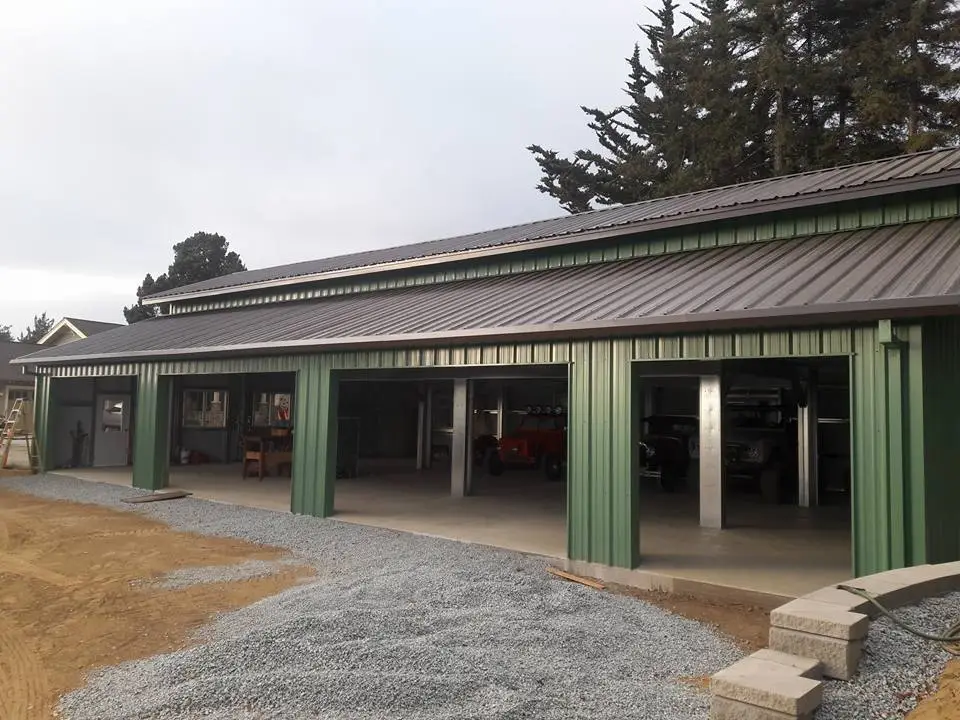
Flexible Metal Building Layouts Tailored to Your Needs: Custom, Adaptable Steel Structures
Flexible metal building layouts are engineered to keep your space useful as needs change. These steel structures use design choices—clear-span framing, modular partitions, and built-in expandability—to create open, reconfigurable interiors that cut future remodeling costs. You’ll get practical explanations of how clear-span bays, mezzanines, and movable walls make a single building serve barns, shops, or garage-workshop combinations while balancing durability and budget. We cover customization details—doors, windows, insulation, and utility routing—and give real examples so you can plan a layout that fits daily work and future growth. Finally, learn how a local contractor can help from design and permitting through installation and warranty support to turn a flexible layout into a long-lasting asset.
Ask AI About This Guide
Opens your AI assistant with a question ready to send.
What Are Flexible Metal Building Layouts and Their Key Benefits?
Flexible metal building layouts focus on open interiors, modular components, and the ability to add bays or mezzanines later. That flexibility comes from steel framing and pre-engineered parts that let you create wide, column-free spaces, add partitions easily, and tie in future expansions at predictable points. The main benefits are better use of space, easier reconfiguration as needs change, lower life-cycle costs thanks to durable materials, and simpler integration of utilities and equipment. Below are the core advantages to keep in mind when choosing an adaptable steel building.
- Open interior planning: Maximizes usable floor area and keeps workflows efficient across different uses.
- Phased expandability: Lets you grow in stages—add bays or mezzanines as budget and need allow.
- Durable, low-maintenance envelope: Cuts operating costs and protects value for decades.
This quick comparison shows how common layout features translate into real-world value before we look at technical details and examples.
Different layout features deliver distinct benefits in flexible buildings.
| Feature | Characteristic | Utility |
|---|---|---|
| Clear span framing | Removes interior columns | Creates unobstructed floor layouts for equipment, storage, or events |
| Modular partitions | Removable or relocatable walls | Makes fast reconfiguration possible |
| Mezzanine platforms | Elevated usable area | Adds usable square footage without expanding the footprint |
The table makes it easy to see why designers pick each feature when flexibility matters.
How Does Clear Span Design Enhance Layout Flexibility?
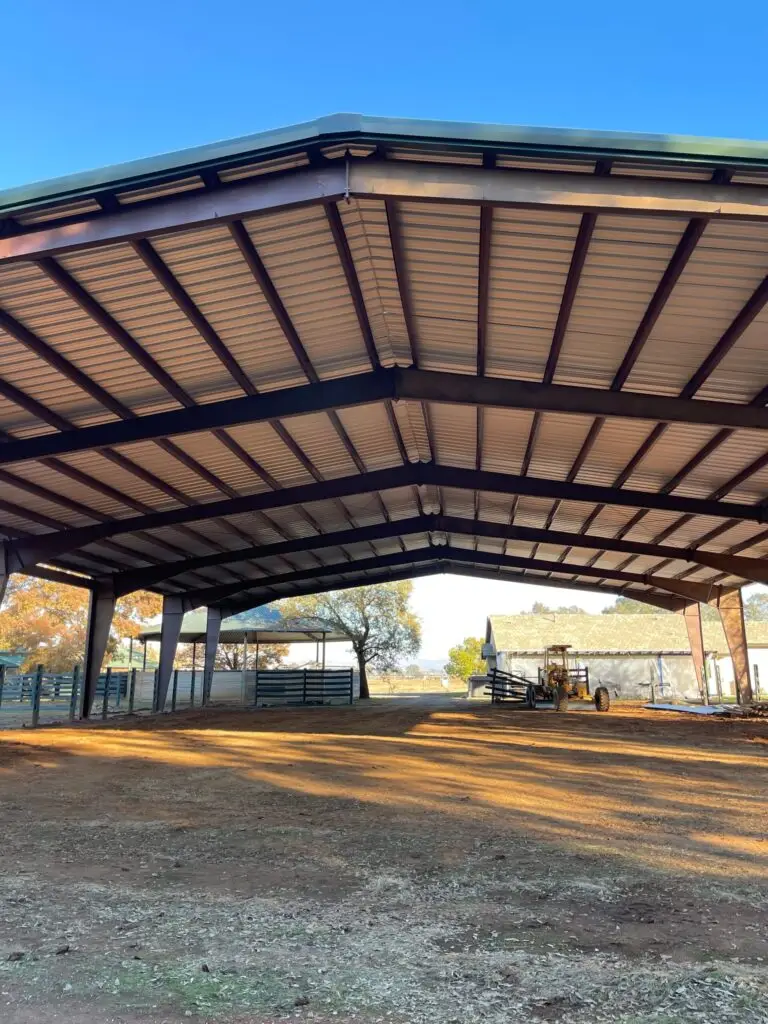
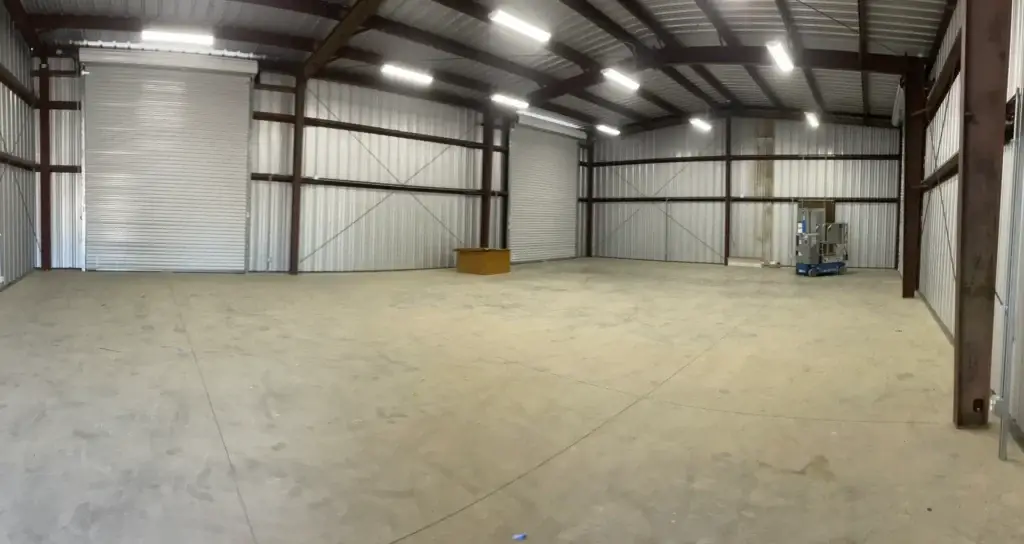
Clear span design eliminates interior load-bearing columns by using long-span steel framing, giving large, uninterrupted floor areas for equipment, storage, or activities. Trusses or rigid frames carry roof loads to the exterior walls, so the interior stays open and free of fixed obstructions. For uses like covered arenas, warehousing, or open-plan shops, clear-span layouts improve circulation and make later reconfiguration faster and less costly.
When planning clear-span projects, designers balance span length with roofing and foundation costs. Proper detailing at the eaves and foundation makes future expansions possible without major rework.
What Role Do Modular Partitions and Expandability Play?
Modular partitions and planned expansion let you change interior zones without altering the main structure. Temporary walls, sliding partitions, or demountable systems create tenant spaces or separate work areas while keeping the primary frame intact. Designing for expansion means placing future foundations and roof tie-ins at regular intervals so added bays connect cleanly to the existing building.
Operationally, modular systems support phased growth—businesses can add capacity step by step, preserving cash flow and minimizing disruption. Good planning accounts for utility runs, door locations, and circulation so future additions are straightforward and cost-effective.
Benefits of Flexible Metal Building Layouts
Customizing a metal building turns a basic steel shell into a practical, multi-use space. Typical upgrades include mezzanines, reinforced floor zones, utility chases, and flexible partition systems. Those choices change how a space performs and should be guided by expected loads, equipment footprints, and electrical/plumbing needs. Below is a straightforward matrix of common interior elements and the typical options to help you decide early on.
Interior customization usually focuses on doors, insulation, and flooring—three elements that affect function and comfort.
| Component | Typical Options | Purpose |
|---|---|---|
| Doors/Windows | Roll-up, sliding, personnel doors | Access control and daylight |
| Insulation | None, standard, high-performance | Temperature control and energy savings |
| Flooring | Concrete slab, sealed epoxy, raised sections | Load capacity and maintenance needs |
This table helps you prioritize which components matter most for your use case so you can specify options that preserve flexibility.
Consider these practical customizations that make steel buildings truly multi-use:
- Mezzanines and lofts: Add floor area without increasing the footprint.
- Utility chases and access panels: Make future reconfiguration and service work simpler.
- Reinforced slab zones: Support concentrated loads from heavy equipment or vehicles.
These features complement one another—picking the right insulation and door types, for example, affects comfort and usable function. For owners who want hands-off support, Northern California firms provide turn-key services—design collaboration, permit handling, site prep, concrete foundations, and full installation—connecting planning choices to practical execution.
What Are Common Applications of Flexible Metal Building Layouts?
Flexible metal building layouts work well for agricultural, commercial, and residential uses by adapting the basic steel shell to each use’s needs. A durable metal building with configurable interiors can house stalls and feed, open retail or warehouse bays, or combine a garage with a workshop and storage lofts. The matrix below compares typical applications and shows where layout flexibility delivers the most operational value.
Comparing common use cases highlights where adaptability pays off.
| Use Case | Typical Layout Features | Why Flexibility Matters |
|---|---|---|
| Agricultural | Clear aisles, movable stalls, large equipment doors | Handles seasonal shifts and changing farm needs |
| Commercial | Open bay plans, partition-ready utilities | Supports tenant changes and evolving retail or light-industrial uses |
| Residential | Garage/workshop combos, storage lofts | Adapts to hobbies, storage, and home-business needs |
Use this matrix to prioritize layout features based on how you plan to use the building and what future adaptability you expect.
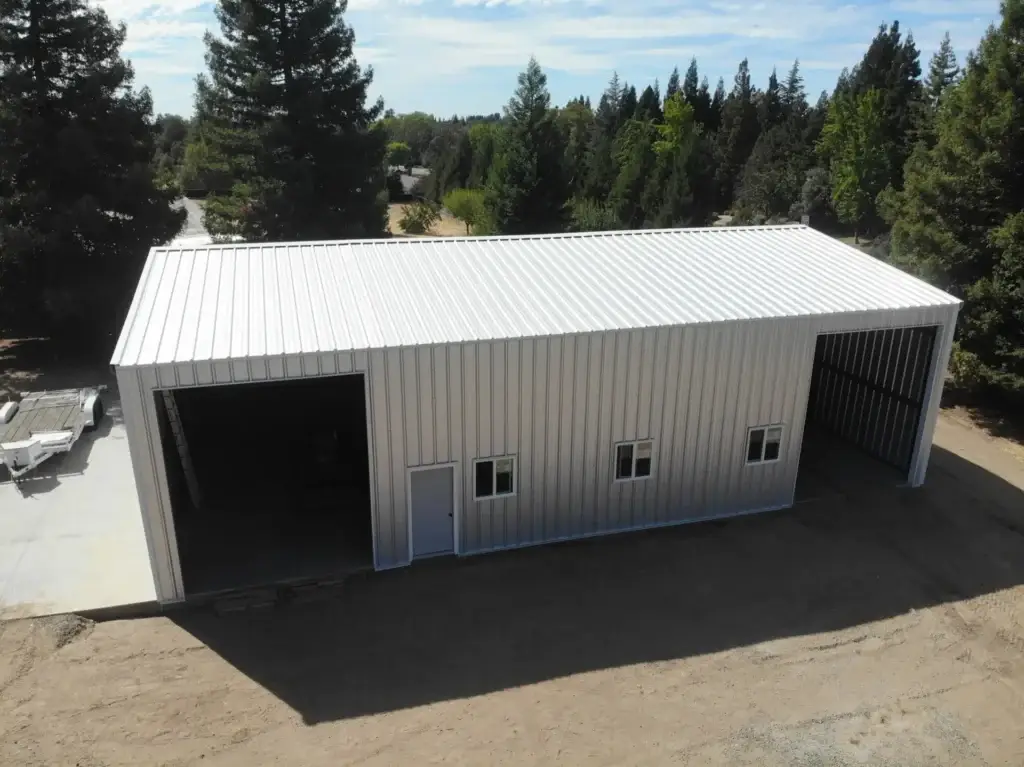
Agricultural buildings often need durable finishes, good ventilation, and clear circulation for animals and equipment. Commercial spaces favor open plans with utilities arranged for tenant fit-outs. Residential layouts typically blend vehicle access, workspace, and storage—roll-up doors and mezzanines increase functionality without enlarging the footprint.
How Are Agricultural Metal Buildings Designed for Flexibility?
Agricultural layouts focus on clear circulation aisles, movable stall partitions, and wide doorways for equipment, while prioritizing ventilation, drainage, and durable finishes. Open bays work well for equipment storage; modular stall kits let you reconfigure for different herd sizes or seasons. Good ventilation and sturdy siding lower maintenance and extend service life. Planning for feed storage and service access keeps the building useful across multiple farm workflows.
What Flexible Layouts Suit Commercial and Residential Uses?
Commercial layouts usually use open bays with pre-planned utility corridors and demountable partitions so tenants can fit out spaces without structural work. For residential needs, garage-workshop hybrids combine insulated vehicle bays, mezzanine storage, and dedicated utility runs to support hobbies or a small business. In both cases, choosing the right doors and insulation for your climate preserves comfort and energy efficiency while keeping the layout reconfigurable.
Why Choose Ibarra Construction for Your Custom Metal Building Layout?
Ibarra Construction delivers turn-key metal building services across Northern California from our office in Woodland and surrounding communities. We take a hands-on approach—working with owners through design, permitting, site prep, excavation, foundations, and full installation—so your layout matches how you work today and how you might grow tomorrow. We back our projects with local credentials, competitive price matching, free estimates, and long-term warranties (some up to 40 years) to give you budgeting certainty and protect your investment. Request a free estimate or consultation and we’ll develop a plan that balances flexibility, durability, and cost for your project.
What Turn-Key Solutions and Experience Does Ibarra Construction Offer?
Our turn-key approach means you deal with one local partner for coordination and accountability. Services include design collaboration to align function with structure, permit support to navigate local rules, site prep and excavation to ready the site, concrete foundations sized for future bays, and complete metal building installation. Owner involvement at key stages keeps the process transparent and helps make decisions easier—especially important when your layout may change over time.
How Do Free Estimates and Long-Term Warranties Benefit Clients?
Free estimates give you a clear starting point for budgeting and planning phased investments—so you can decide whether to prioritize a mezzanine or higher-performance insulation. Long-term warranties, in some cases up to 40 years, protect major envelope components and reduce long-term risk. Together, these services make it easier to choose flexible design elements that deliver value over decades.
Frequently Asked Questions
1. What factors should I consider when planning a flexible metal building layout?
Think about how you’ll use the space now and in the future, whether you’ll need to add bays or mezzanines, and the types of activities that will happen inside. Consider clear-span areas for unobstructed work zones, modular partitions for adaptability, and mezzanines to use vertical space. Also plan utility routing, insulation for climate control, and access points like doors and windows so the layout serves both current and future needs.
2. How do I choose the right insulation for my metal building?
Pick insulation based on your climate, how the building will be used, and energy goals. Options range from none to standard and high-performance materials. High-performance insulation suits temperature-sensitive spaces; standard insulation may be fine for less critical uses. Check the R-value and balance upfront cost with long-term energy savings. A contractor can help match insulation to your specific needs and local climate.
3. Can I modify my metal building layout after construction?
Yes. Flexible metal buildings are designed to be adaptable—modular partitions and clear-span framing make interior changes possible without major structural work. Any modification should follow local building codes and preserve structural integrity. Work with a contractor experienced in these systems to plan changes safely and efficiently.
4. What are the cost implications of customizing a metal building?
Customization raises initial costs but can save money over time by improving functionality and reducing future remodels. Cost drivers include materials, mezzanine complexity, insulation performance, and utility work. A cost-benefit review helps you prioritize features so the investment matches your budget and operational goals.
5. How do I ensure my metal building meets local building codes?
Start by consulting with a contractor or architect who knows local regulations. They’ll guide you through permitting and clarify requirements for zoning, structural safety, and inspections. Securing permits before construction and scheduling inspections during the build helps ensure full compliance and a safe, code-approved structure.
6. What are the environmental benefits of using metal buildings?
Metal buildings are recyclable, durable, and can be energy-efficient. Steel is highly recyclable, reducing waste and conserving resources. With the right insulation and reflective roofing, metal buildings can lower energy use. Long service life and low maintenance also reduce the need for replacements, making them a sustainable choice.
7. How can I find a reliable contractor for my metal building project?
Research local firms, check credentials and references, and review past projects. Look for experience with flexible metal structures and positive customer feedback. Compare quotes and services, and consider contractors who offer turn-key solutions so one partner handles design, permits, site work, and installation for a smoother process.
Conclusion
Flexible metal building layouts give you adaptable interiors, cost-effective expansion options, and efficient use of space. By understanding the customization choices available, you can create a building that serves today’s needs and tomorrow’s changes. Contact us for a free estimate to explore how an adaptable steel structure can become a long-term asset for your project.