
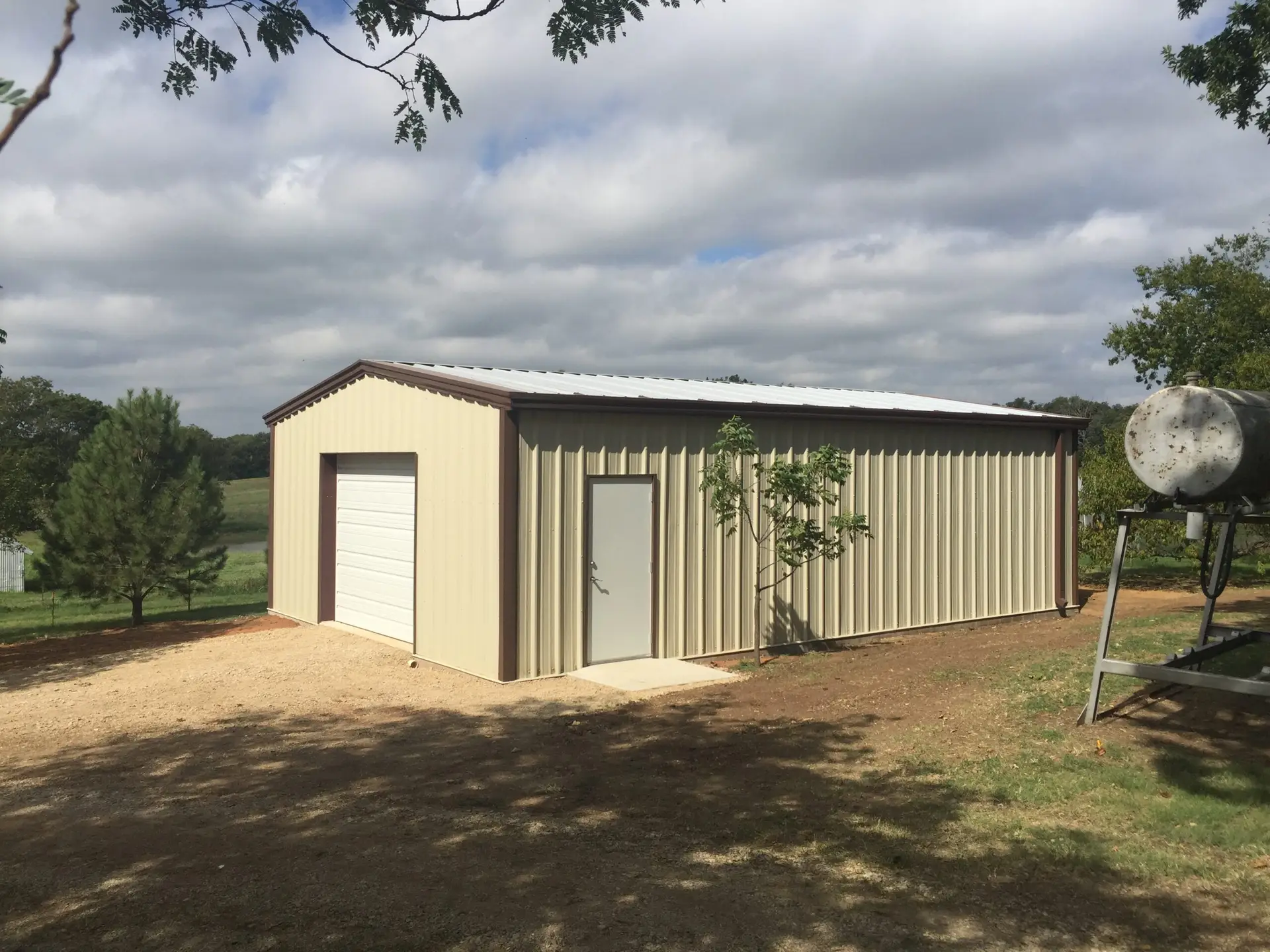
Why Prefab Metal Buildings Are a Superior Construction Choice
Prefab metal buildings are factory‑built steel structures engineered to be shipped and assembled on site for predictable performance and quicker timelines. These pre‑engineered steel systems deliver the benefits owners value most—durability, lower long‑term cost, and faster construction—making them a strong choice for agricultural, commercial, and light‑industrial projects across Northern California. Instead of worrying about weather delays, rot, pests, and surprise maintenance bills, many owners choose metal buildings for their corrosion‑resistant materials, clear‑span interiors, and energy‑efficient panels. This article explains the main advantages of prefab metal buildings, how prefabrication shortens schedules, the customization and clear‑span options available, and where local contractors simplify permitting and installation. You’ll also learn about steel longevity in California, insulation options like insulated metal panels, and the practical cost drivers that affect lifecycle value. Finally, we’ll show when local expertise matters and how to request a free estimate or consultation from a Northern California provider.
Ask AI About This Guide
Opens your AI assistant with a question ready to send.
What Are the Key Advantages of Prefab Metal Buildings?
Compared with conventional construction, prefab metal buildings give clear, measurable benefits in lifespan, total lifecycle cost, maintenance needs, and design flexibility. Factory fabrication reduces on‑site variability, steel is recyclable and resists pests and rot, and modern coatings help prevent corrosion for long service life. Insulated metal panels and reflective roofing lower heating and cooling loads, which helps operating costs and sustainability goals. Below is a short list of the top advantages to help owners compare options.
Prefab metal buildings provide these primary advantages:
- Durable weather and pest resistance: steel framing and coated panels resist rot, termites, and many environmental stresses.
- Lower installed cost and faster schedule: factory precision reduces field labor and rework.
- Energy efficiency and insulation options: insulated metal panels cut HVAC loads and improve comfort.
- Low maintenance and predictable lifecycle costs: minimal repairs and long warranty terms reduce total cost of ownership.
Those advantages add up to real savings and reliable performance on site, which is why many owners pick pre‑engineered metal solutions for barns, shops, and commercial buildings.
Different benefits map to clear performance attributes for quick comparison.
| Benefit Category | Characteristic | Typical Outcome |
|---|---|---|
| Durability | Steel frame + protective coatings | High resistance to decay, pests, fire |
| Energy Efficiency | Insulated metal panels, reflective roofs | Lower HVAC energy use and costs |
| Maintenance | Fewer organic components | Reduced upkeep and replacement needs |
This table shows how each benefit category translates into measurable outcomes for building owners. With that context, the next section explains how steel materials deliver long service life in practice.
How Do Steel Buildings Offer Durability and Longevity?
Steel buildings last because structural steel has a high strength‑to‑weight ratio and can be protected with galvanizing and modern paint systems to slow corrosion. Those material choices reduce rot and insect damage common in timber buildings, while engineered connections preserve load paths through seismic and wind events. Proper coatings, flashing, and drainage details help extend service life in coastal or rainy areas, and insulated panels add a thermal barrier that minimizes condensation. Understanding these details explains why steel buildings often include long warranty periods and predictable maintenance schedules.
Why Are Prefab Metal Buildings Cost‑Effective Investments?
Prefab metal buildings lower installed cost by cutting on‑site labor, reducing waste, and speeding assembly so schedule‑related overhead is smaller. Factory cutting and welding reduce field errors and change orders, while predictable components shrink contingency budgets for materials and labor. Over the life of the building, lower maintenance needs and improved energy performance produce operating savings that help offset initial expenses. See the quick cost comparison below for common drivers.
Cost drivers and savings comparison:
| Cost Factor | Attribute | Typical Effect |
|---|---|---|
| Upfront cost | Material + fabrication | Often competitive with wood when labor/time saved |
| Labor/time | Factory assembly | Shorter onsite schedule, fewer labor hours |
| Maintenance | Material durability | Fewer repairs and lower lifecycle expenses |
This comparison shows how material selection, factory precision, and maintenance expectations combine to make prefab metal buildings cost‑effective over time—especially for farms and commercial users who need durable, low‑upkeep space.
How Do Prefab Metal Buildings Accelerate Project Timelines?
Prefab metal buildings speed construction by moving most fabrication into a controlled shop while site work happens at the same time. Detailed shop drawings, CNC fabrication, and pre‑cut panels reduce on‑site adjustments, and coordinated delivery makes on‑site erection fast. The predictable sequence—design/engineering, factory fabrication, transport, assembly—cuts weather delays and gives better schedule certainty. Knowing these steps helps owners plan permits, foundations, and inspections for a faster overall delivery.
Prefabrication follows these core steps:
- Design and engineering: precise shop drawings minimize field adjustments.
- Factory fabrication: CNC cutting and assembly ensure accurate components.
- Transport and assembly: staged delivery and rapid on‑site erection reduce schedule risk.
Those steps shorten timelines significantly compared with traditional stick‑built methods and create predictable milestones that simplify coordination with inspectors and trades.
What Is the Prefabrication Process and Its Impact on Construction Speed?
Prefabrication starts with detailed engineering and finishes with quick on‑site assembly, saving time through parallel workflows and less rework. Factory QA/QC inspects components before shipment so parts fit and change orders are less likely. Because site work such as foundations can proceed while fabrication happens, the project’s critical path shortens and owners often gain usable space weeks earlier. That predictability is especially valuable for farms and businesses that need rapid turnaround.
How Does Quick Build Metal Construction Benefit Northern California Projects?
In Northern California, faster builds reduce exposure to seasonal rains and help farms get livestock or equipment back into service sooner. A local contractor’s knowledge of regional permitting and seismic requirements speeds inspection coordination and avoids common delays caused by out‑of‑area teams. For commercial clients, shorter construction windows mean less disruption to operations and faster revenue recovery. Local familiarity with codes and inspection cycles also makes schedule estimates more accurate and achievable.
What Design Flexibility and Customization Options Do Metal Buildings Provide?
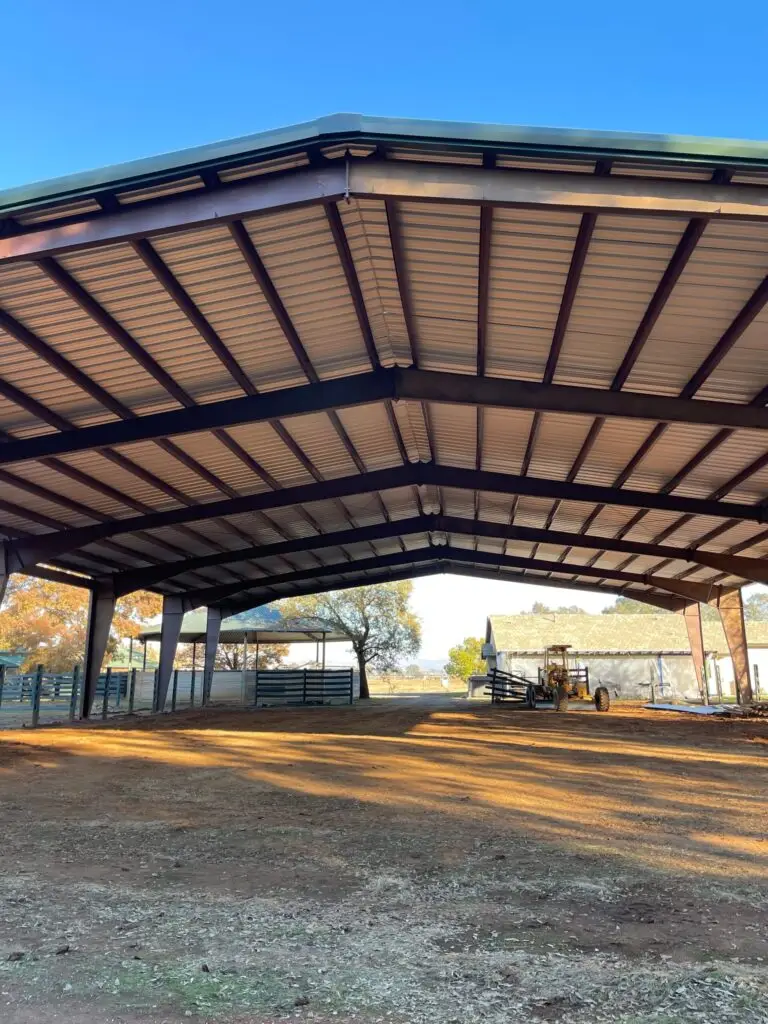
Prefab metal buildings offer many design choices—from clear‑span interiors to mezzanines, varied bay spacings, and custom door and window layouts. Modular framing creates open, unobstructed interiors for storage, equipment, or arenas, and panel systems accept insulation, finishes, and integrated electrical or plumbing. Owners can pick finishes, doors, and partitions to match agricultural or commercial workflows, and roof slopes or solar‑ready framing can be included at the design stage. Below are common customization options to guide planning.
Common customization options include:
- Clear‑span framing for unobstructed interior space and flexible layouts.
- Multiple door types and access solutions, including roll‑up and sliding doors.
- Insulation and ventilation systems tailored for livestock, storage, or offices.
- Mezzanines and interior partitioning for added floor area and separate workspaces.
Those options let owners tune performance to operational needs while keeping the cost and speed advantages of prefab construction. A brief comparison of typical design elements follows.
| Feature | Attribute | Typical Application |
|---|---|---|
| Clear‑span | No interior columns | Workshops, arenas, equipment storage |
| Mezzanine | Added floor area | Offices, storage, processing space |
| Finishes | Panel options, trim | Aesthetics and weatherproofing |
Use this table to match design features to your building’s purpose and prioritize what matters most during specification.
How Do Clear‑Span Structures Enhance Interior Space Usage?
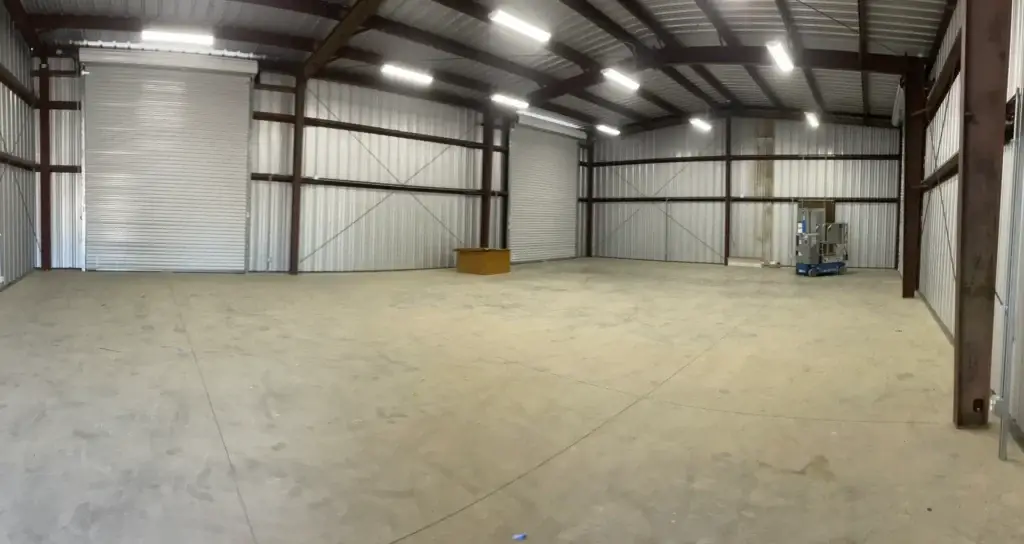
Clear‑span metal buildings remove interior columns by using engineered rafters and trusses to create uninterrupted interior volumes. That open space simplifies material handling, supports flexible racking or stall layouts, and makes future reconfiguration easy. For equipment storage and arenas, clear‑span design improves movement and sightlines, boosting efficiency and safety. You can also add mezzanines or partitions later without major structural changes, which preserves adaptability as needs change.
What Custom Features Are Available for Agricultural and Commercial Needs?
Agricultural and commercial owners often select insulated panels for temperature control, specialized ventilation for animal comfort, and heavy‑duty doors for machinery access. Interior partitioning, mezzanines, and integrated office build‑outs support mixed uses where production and administration share space. These customizations help with animal welfare, inventory protection, and streamlined workflows—making metal buildings practical, long‑term investments across sectors.
Why Choose Ibarra Construction for Your Prefab Metal Building Project?
Local contractor involvement makes a difference when handling permits, foundations, and on‑site installation. Ibarra Construction provides turn‑key services across Northern California that pair owner/journeyman participation with full project coordination. We serve Woodland, Sacramento, Vacaville, Fairfield, Dixon, Davis, and Winters, and offer permit processing, concrete foundations, and metal building installation to move your project smoothly from design to completion. Clients benefit from competitive price matching, free estimates, and select metal buildings with warranties up to 40–50 years, which lower long‑term risk and boost investment confidence. Owner/journeyman oversight by Diego Ibarra gives hands‑on attention during key phases to improve workmanship and communication.
Local expertise delivers these advantages:
- Faster permit coordination thanks to regional code familiarity and established inspection contacts.
- More accurate site assessments and foundation planning because we’re nearby for visits and local references.
- Quicker response times for service and warranty work across neighboring Northern California communities.
Ibarra Construction’s mix of hands‑on leadership, turn‑key services, and long warranty options creates a straightforward path from project concept to finished building. Request a free estimate or consultation by calling (530) 994-8902 or visiting our Woodland office at 225 Riverside Dr, Woodland, CA, 95695; we can answer questions about warranties, permit help, and local installation practices.
How Does Local Expertise Benefit Northern California Clients?
Local knowledge speeds approvals and cuts down on surprises during inspections because a regional contractor knows municipal expectations and common reviewer concerns. Experience with seismic details, wind loads, and microclimates ensures foundations and attachment details meet performance and code requirements. Being nearby also makes pre‑installation site visits and follow‑up support practical and timely—especially important for agricultural clients with seasonal windows. Together, these advantages shorten schedules and make outcomes more predictable.
What Warranties and Services Does Ibarra Construction Offer?
Ibarra Construction delivers full project services—permit processing, concrete foundations, and complete metal building installation—backed by competitive price matching and free estimates to help owners compare options. Select metal buildings carry warranties up to 40–50 years, giving long‑term assurance on materials and finishes. We emphasize owner/journeyman involvement for quality control and clear communication throughout the job, which builds trust and accountability. This service mix is designed to minimize owner risk while delivering durable, low‑maintenance buildings.
Request a free estimate or consultation; contact Ibarra Construction at (530) 994-8902 or visit our Woodland office at 225 Riverside Dr, Woodland, CA, 95695 for local expertise, warranty details, and a clear plan to move your prefab metal building project forward.
Frequently Asked Questions
What types of projects are best suited for prefab metal buildings?
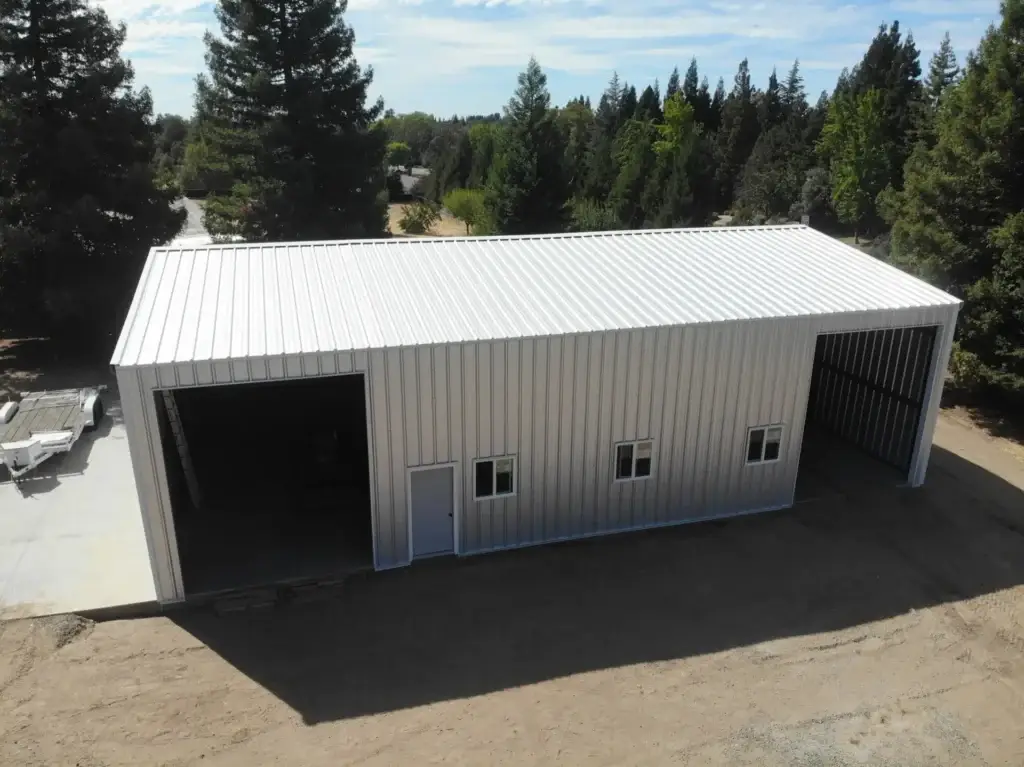
Prefab metal buildings are versatile—well suited for agricultural facilities, commercial spaces, and light‑industrial uses. Their durability and low maintenance make them a good fit for barns, workshops, storage buildings, and retail or service spaces. Clear‑span layouts allow flexible interiors for arenas or large open areas. Fast assembly and cost efficiency also appeal to businesses that need reliable space quickly.
How do prefab metal buildings perform in extreme weather conditions?
Prefab metal buildings are engineered to handle extreme conditions like high winds, heavy snow, and seismic activity. High‑strength steel and modern engineering ensure structural integrity during adverse weather. Protective coatings, proper detailing, and insulation choices improve resistance to corrosion and thermal swings. That makes metal buildings a dependable option in harsh climates when designed to meet local codes.
Can prefab metal buildings be expanded or modified in the future?
Yes—one major advantage of prefab metal buildings is adaptability. Owners can expand or modify structures as needs change. Clear‑span designs make additions simpler because you don’t have internal columns to work around. Modular components also let you add sections or change interior layouts later, so the building can grow with your operation.
What are the environmental benefits of using prefab metal buildings?
Prefab metal buildings offer environmental benefits like energy efficiency and recyclability. Insulated metal panels reduce heating and cooling demand, lowering energy use and carbon footprint. Steel is highly recyclable, which reduces construction waste, and factory production tends to minimize material waste compared with traditional on‑site building methods. Together, these factors make metal buildings a greener choice for many projects.
How do I choose the right contractor for my prefab metal building project?
Pick a contractor based on experience, local knowledge, and references. Look for companies that specialize in prefab metal buildings and have a proven track record in your area. Confirm their familiarity with local codes, permitting, and inspections. Also evaluate communication, transparency in estimates and timelines, and whether they offer comprehensive services—design, installation, and warranty support—to simplify your project.
What financing options are available for prefab metal building projects?
Financing varies and can include traditional bank loans, construction loans, leasing, or manufacturer/contractor financing programs. Some projects may qualify for incentives or grants for energy‑efficient buildings. It’s wise to compare options and consult a financial advisor to choose the best approach for your specific project and budget.
Conclusion
Prefab metal buildings combine durability, cost efficiency, and design flexibility, making them a practical choice for many projects. Faster assembly and lower maintenance help produce long‑term savings and dependable performance. Working with a local expert like Ibarra Construction streamlines the process from design to completion. Contact us for a free estimate and take the next step toward your new prefab metal building.