
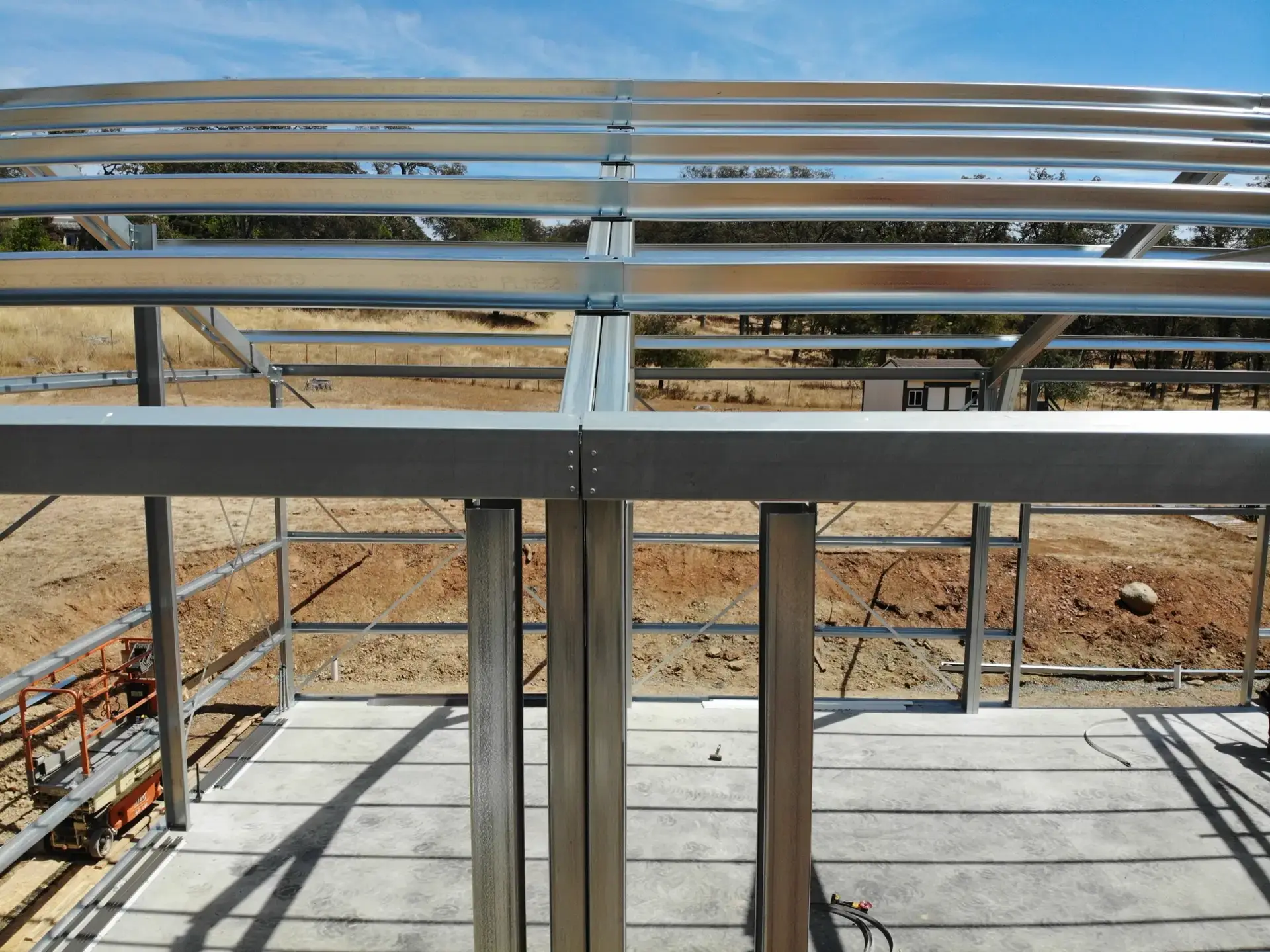
High-strength metal construction in Northern California relies on cold-formed steel framing engineered for regional seismic and climate demands. Ibarra Construction, based in Woodland, CA, delivers turn-key steel buildings for commercial, agricultural, and industrial clients from Sacramento to Vacaville, managing permits, engineering, and construction to produce durable, code-compliant structures built for lasting performance.
Key Takeaways
High-strength steel construction delivers superior durability and reliability for Northern California commercial projects.
Custom metal building designs optimize efficiency while meeting all local building codes and regulations.
Steel-framed warehouse construction provides cost-effective solutions with minimal maintenance requirements over decades.
Woodland-based contractors complete projects on time and on budget with expert project management oversight.
Why Does High-Strength Steel Withstand Northern California Risks?
Steel resists the seismic shifts and heavy structural demands common across Northern California because of engineered connections and ductile behavior built into every frame. Earthquake-prone counties from Sacramento to the Sierra foothills require framing systems that flex under stress rather than crack. Cold-formed steel meets that demand through connections designed to absorb movement instead of transferring it into structural failure.
High-strength metal construction options also solve a persistent budget problem: material waste. A high strength-to-weight ratio means less raw material builds the same load-bearing capacity, cutting framing costs on agricultural facilities and commercial warehouses alike.
What Makes Cold-Formed Steel Suitable for Earthquake Zones?
Ductile behavior allows steel framing to bend under seismic load without snapping. Engineered connections distribute that stress across the structure rather than concentrating it at weak points, a critical advantage for facilities near active fault lines throughout the region.
Steel construction offers additional advantages that matter to commercial and agricultural property owners:
Structural efficiency: reduced material requirements lower both weight and cost.
Seismic resilience: engineered joints absorb regional ground movement.
Sustainability: steel remains recyclable and generates minimal fabrication waste.
Adaptability: the same framing systems scale from residential projects to commercial-grade structures.
That adaptability lets developers standardize construction methods across mixed-use portfolios, from small ag outbuildings to large distribution centers, without sacrificing strength or code compliance.
What Does Turnkey Metal Building Construction Include?
Turnkey metal building construction covers every phase of a project, from permit processing through final installation, under one contractor’s management. Northern California business owners who choose a single-source approach avoid the coordination gaps that arise when multiple contractors handle separate pieces of the job. Operating out of Woodland, California, Ibarra Construction serves commercial and agricultural clients across the broader region, bringing consistent oversight to projects in Sacramento Valley communities and beyond.
A complete turnkey package typically includes:
Permit processing and coordination with local jurisdictions
Site preparation, including grading and utility planning
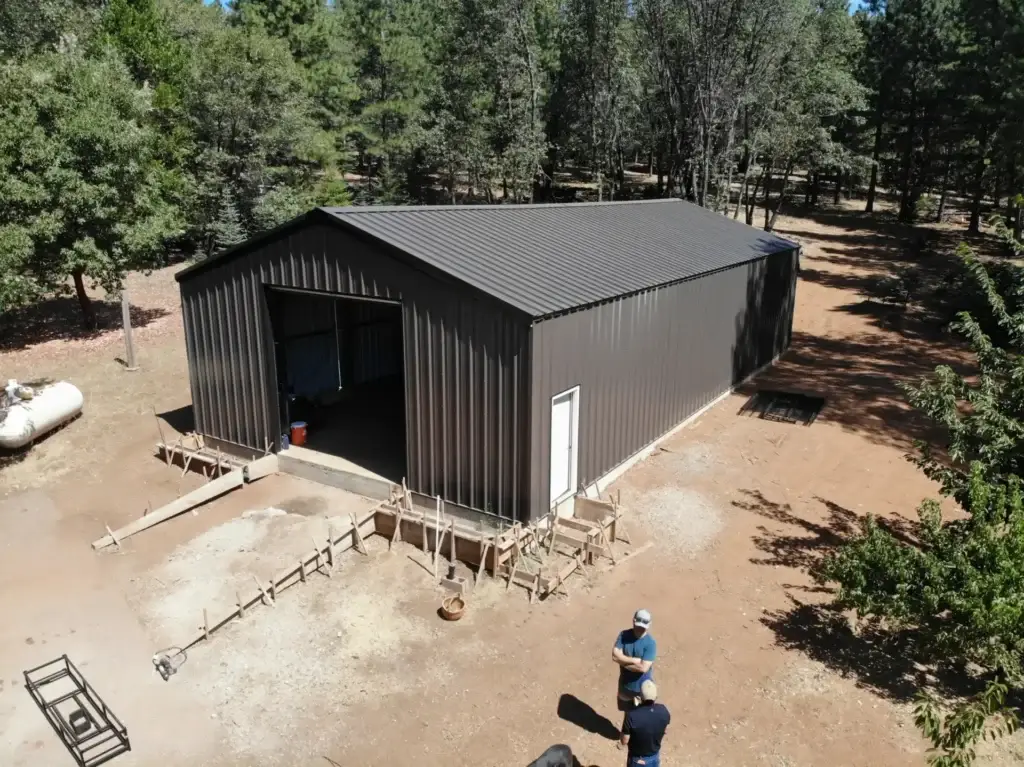
Concrete foundation installation engineered for the building’s load and soil conditions
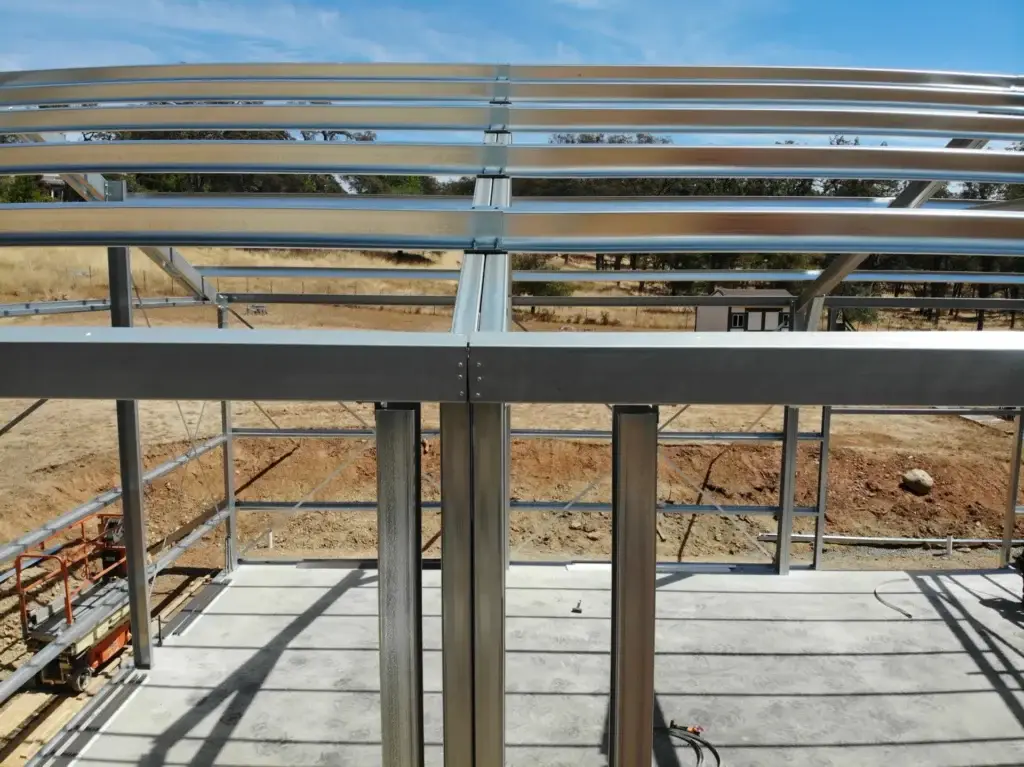
Steel structure assembly using high-strength metal construction options suited to regional climate and seismic demands
Final completion, punch-list review, and building handoff
Why does single-contractor management matter for steel buildings?
Fragmented projects often stall when responsibility shifts between separate permit consultants, foundation crews, and steel erectors. A single point of accountability keeps timelines predictable and reduces the risk of costly rework. With more than 20 years of combined experience. Over 50 completed projects, Ibarra Construction manages this entire sequence directly rather than outsourcing critical stages.
What happens after permits are approved?
Foundation work begins once permits clear, followed by steel structure assembly and final finishing details. Each stage builds on verified prior work, protecting the integrity of the finished facility.
How Do Warehouses And Contractors Ensure Durable Results?
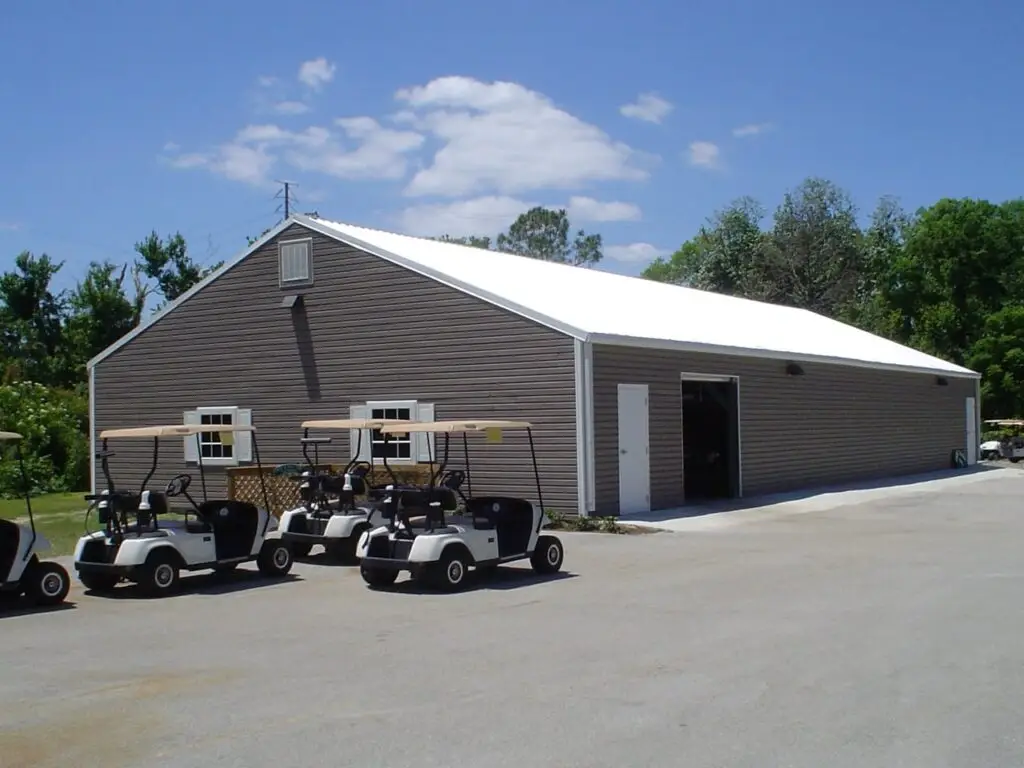
Warehouses across Northern California achieve lasting durability through steel-framed construction, disciplined project management, and careful contractor selection. Efficiency, strength, and design flexibility make steel the material of choice for storage facilities, distribution centers, and multi-use industrial spaces spanning the Sacramento Valley and surrounding counties. Businesses gain a structure that withstands heavy use without constant repair.
Comprehensive project management protects that durability from the ground up. A qualified team handles planning and permitting first, then moves into site development, structural construction, and final finishing work. This sequential approach matters most on large commercial facilities. A missed permit step or rushed foundation can compromise the entire build. High-Strength Metal Construction Options depend on this kind of coordinated oversight as much as on the steel itself.
What Should Business Owners Look For In A Contractor?
Experience with regional permits and local design standards separates reliable contractors from the rest. Business owners should ask about a contractor’s track record navigating Northern California permitting offices and its familiarity with design options suited to agricultural, industrial, or commercial use. Contractors who understand local building requirements reduce costly delays.
Long-term durability also comes from smart material choices. Solar-ready roofing systems and long-lasting protective coatings cut down on maintenance calls. Lower energy costs over the life of the building, giving facility managers fewer surprises after occupancy.
FAQ
Why is cold-formed steel a strong choice for Northern California construction?
Cold-formed steel offers ductile behavior and engineered connections that flex under seismic stress instead of cracking, making it well-suited to earthquake-prone areas from Sacramento to the Sierra foothills.
What advantages does high-strength steel offer commercial and agricultural property owners?
It provides structural efficiency through reduced material weight and cost, seismic resilience via engineered joints, sustainability through recyclability, and adaptability across residential to commercial-grade structures.
What does turnkey metal building construction include?
Turnkey construction covers every project phase under one contractor, including permit processing, coordination with local jurisdictions, and site preparation, helping Northern California clients avoid coordination gaps between multiple contractors.
Conclusion
In closing, high-strength metal construction represents a proven approach to building durable, reliable structures throughout Northern California. When you partner with an experienced construction firm that understands the region’s specific demands. Delivers comprehensive solutions from permitting through completion, you gain the confidence that your project will withstand time and environmental pressures. Quality metal building construction, executed with precision and expertise, provides the lasting foundation your investment deserves. Ready to build with confidence? Call Ibarra Construction today to discuss your high-strength metal building project in Northern California.