
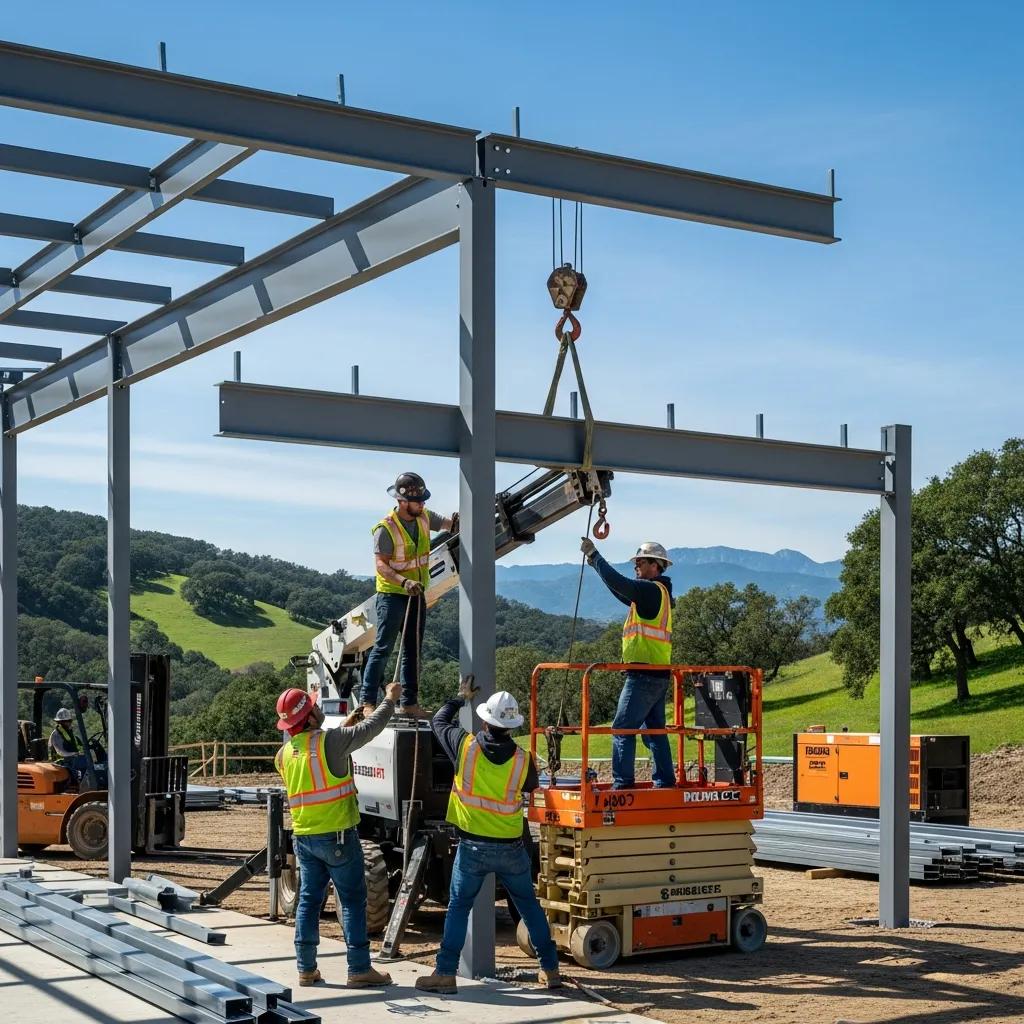
Selecting Local or National Metal Building Contractors in Northern CA
Deciding between a local metal building designer and a national supplier comes down to three things: local knowledge, code familiarity, and how much scale matters for your job. This guide lays out the practical differences and gives clear criteria to help Northern California owners choose — from permit handling to warranty trade-offs. Many property owners underestimate how regional climate, seismic rules, and local inspection practices shape steel building durability and approval timelines. We’ll walk you through the benefits of hiring a local contractor, common downsides of national suppliers, a step-by-step selection checklist, and how a turn-key local provider can simplify delivery and cut risk. The article also uses search-friendly terms like local metal building designers, Northern California metal building codes, and turn-key metal building solutions California. At the end there’s a short profile of a Northern California specialist and a simple next step for a free estimate.
Ask AI About This Guide
Opens your AI assistant with a question ready to send.
What Are the Key Benefits of Choosing a Local Metal Building Contractor in Northern California?
A local metal building contractor brings area-specific know-how that speeds permit approvals, tailors designs to regional weather and seismic conditions, and delivers faster on-site service. Local firms typically coordinate grading, foundation requirements, and inspection timing with municipal offices, which reduces rework and schedule surprises. Hands-on owners or foremen improve communication and let the team adapt quickly during construction. Working with a nearby contractor also keeps warranty support and follow-up close at hand — important for long-term maintenance and claims.
Local advantages you’ll notice on the ground:
- Faster permit approvals thanks to local relationships and familiarity with municipal documentation.
- Designs adjusted for Northern California seismic, drainage, and microclimate concerns.
- Quicker on-site responses for scheduling, inspections, and punch-list items.
- Easier long-term service and warranty follow-up within the region.
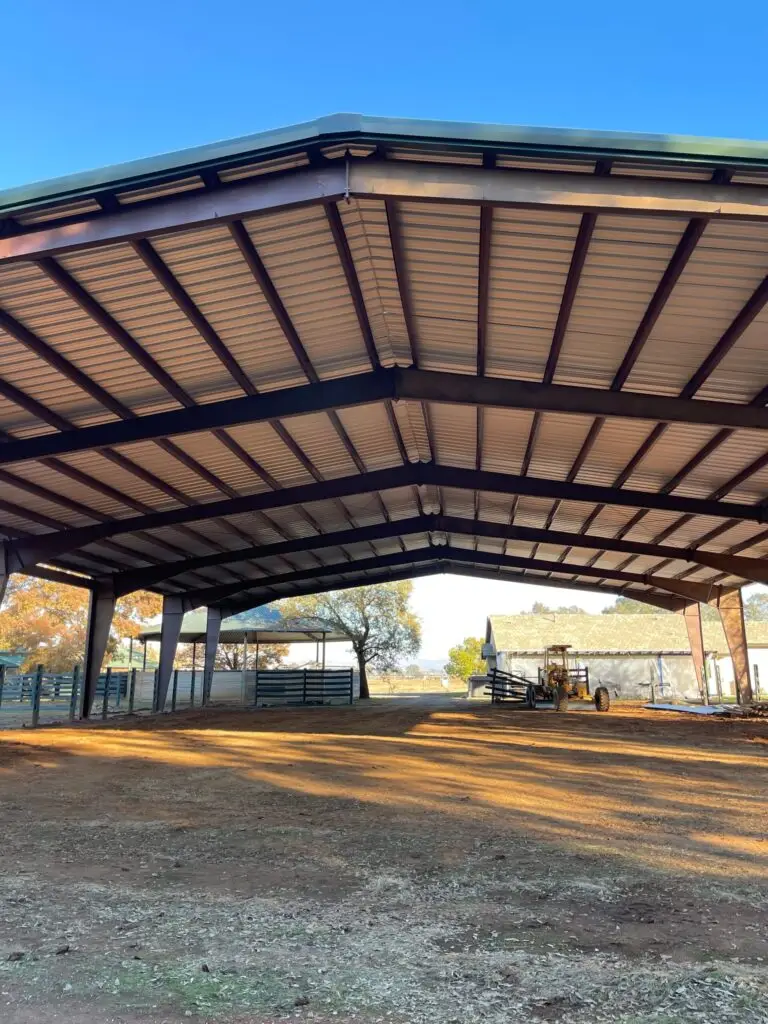
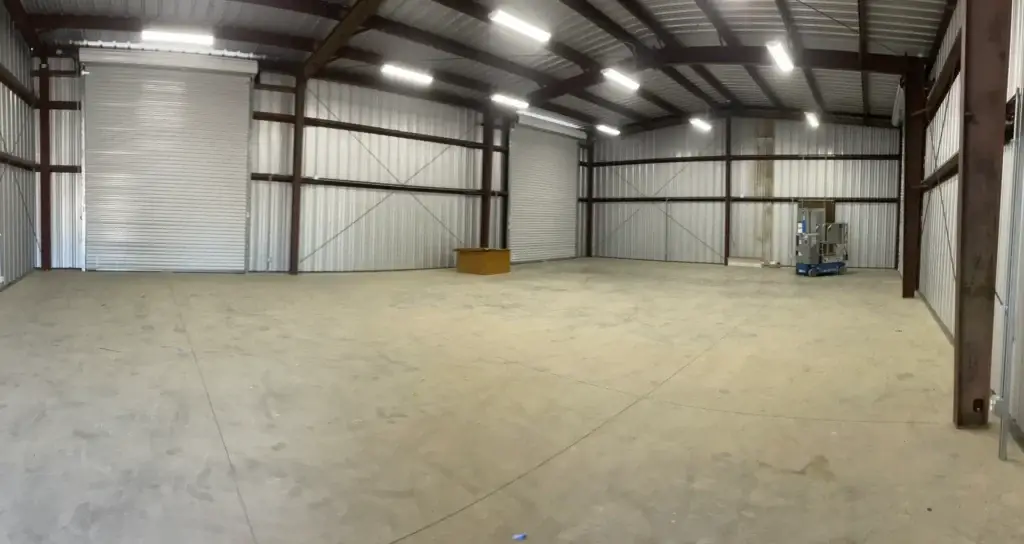
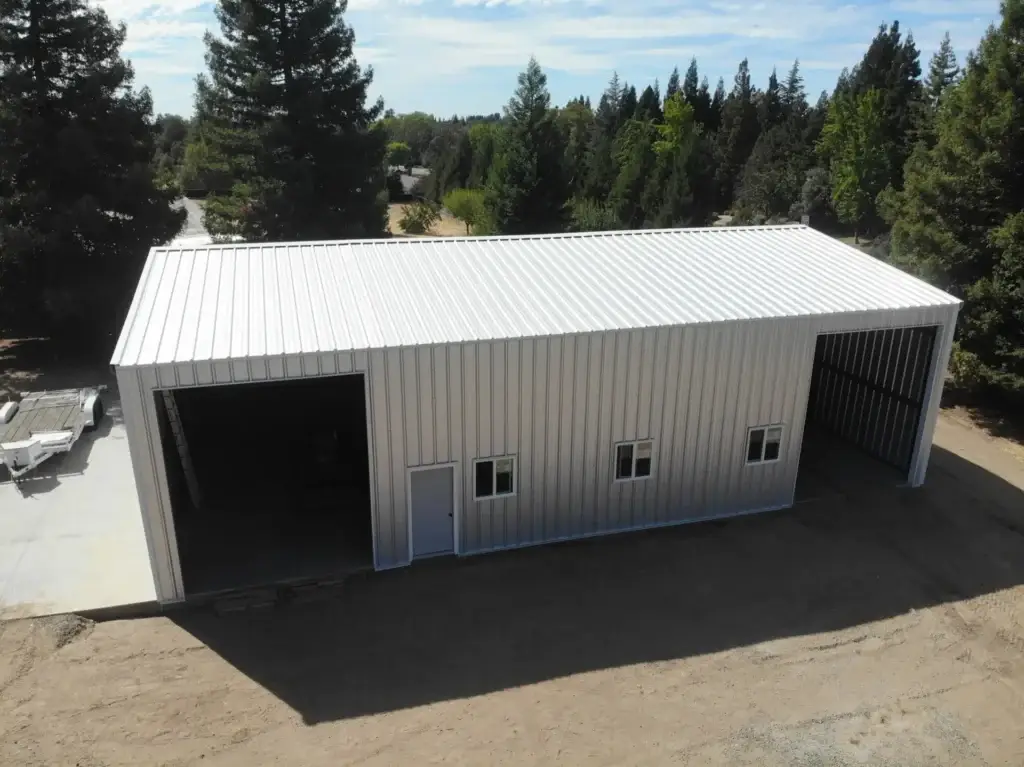
- More tailored solutions for barns, shops, hangars, and commercial metal buildings.
These benefits often mean lower indirect costs and fewer delays. The next section shows how local expertise turns into better construction outcomes.
Comparison table below highlights typical local benefits versus their impacts:
| Contractor Type | Attribute | Value |
|---|---|---|
| Local Contractor | Permit handling | Faster approvals through municipal familiarity and proactive coordination |
| Local Contractor | Climate adaptation | Designs suited to seismic, drainage, and microclimate conditions |
| Local Contractor | Response time | On-site or same-region visits for rapid issue resolution |
This table shows how local knowledge lowers friction during permitting and installation. The section that follows gives real examples of how that expertise works in practice.
How Does Local Expertise Improve Metal Building Construction?
Local expertise aligns design choices and site prep with Northern California’s seismic zones, soil types, and seasonal weather. That alignment cuts the risk of permit rejections and costly redesigns, and ensures roof, drainage, and foundation details match the site. Local contractors also know which subcontractors and inspectors move projects smoothly — from grading to electrical hookups — which tightens coordination and reduces schedule gaps. Relying on local experience helps you avoid one-size-fits-all designs that can underperform in regional conditions.
These practical advantages set up why personalized service and owner involvement matter, explained next.
Why Is Personalized Service Important in Metal Building Projects?

Personalized service matters because metal building projects require frequent, site-specific decisions about materials, site adjustments, and inspection responses — things that corporate help desks handle slowly. Direct owner involvement or a dedicated project foreman speeds scope decisions, creates clearer accountability, and ensures choices reflect the property owner’s priorities. Tailored project management keeps schedule, budget, and quality aligned so changes are documented and costs are controlled. Ask potential contractors who will be on-site and what decision authority they have — it’s an easy way to verify personalized service.
Next we compare how national suppliers stack up and where their drawbacks usually show up.
What Are the Disadvantages of National Metal Building Suppliers Compared to Local Companies?
National metal building suppliers bring scale and standardized components but often depend on generalized designs and remote coordination. That can create mismatches with local codes, delivery logistics, and inspection practices. Standard kits may need on-site modification, adding time and cost. Centralized communication can slow responses to site-specific issues, and long supply chains increase the chance of delivery delays that affect foundations and installation dates. We’ve also seen reduced local accountability make warranty claims and follow-up repairs harder after handover.
Common drawbacks of national providers — stated plainly:
- Standard kits may not account for local code nuances, triggering redesigns.
- Remote coordination can slow issue resolution and reduce schedule control.
- Long-distance logistics raise the risk of delayed or damaged shipments.
- Centralized accountability makes flexible change management more difficult.
Put together, these factors raise indirect costs and scheduling risk on projects that need close municipal coordination and fast on-site decisions.
How Can Lack of Local Knowledge Affect Your Metal Building Project?
Lack of local knowledge brings specific risks: permit rework, foundation mismatches, and materials that aren’t right for the microclimate — all of which lengthen schedules and increase costs. For example, wrong assumptions about soil bearing capacity or seismic anchorage can force foundation redesigns after municipal review. Generic drainage guidance can lead to water intrusion or roof performance problems in areas with particular rainfall patterns. To mitigate these risks, consider hiring a local consultant for plan review, verify permit references, and request recent photos and inspection records from the contractor.
Those mitigation steps lead naturally into communication challenges with large providers, covered next.
What Communication Challenges Arise with National Metal Building Services?
National services often use tiered support and template responses that delay decisions needing local judgment, such as on-site change orders or inspection responses. Time-zone differences and centralized approvals can stretch resolution times for critical-path items, creating downstream schedule impacts. Signs of weak communication include vague points of contact, no named local project manager, and no written communication plan with checkpoints. To lower risk, insist on a named local project manager, clear escalation paths, and regular on-site or video check-ins.
Clear communication protocols are a deciding factor when you compare quotes and timelines. The checklist and comparison table that follow will help you evaluate contractors on these points.
How to Choose the Right Metal Building Contractor for Your Northern California Needs?
Picking the right contractor starts with a checklist that balances code knowledge, turn-key capability, warranties, communication, and cost-risk trade-offs. Prioritize firms that handle permits, site grading, foundations, and installation to limit coordination headaches. Confirm warranty options and ask for references from similar Northern California projects. Review how each estimate allocates risk for transport, change orders, and timeline contingencies. The short checklist below turns those priorities into interview questions and decision criteria.
Use this practical checklist:
- Verify local code knowledge, licenses, and permit-handling experience.
- Confirm turn-key services, including site prep, foundations, and installation.
- Ask for warranty terms and written documentation for selected building systems.
- Request references and photos of similar local projects.
- Assess the communication plan and who will be your on-site contact.
This checklist condenses the selection priorities. The EAV-style table below compares attributes between local contractors and national services so you can see the trade-offs clearly.
Contractor attribute comparison:
| Attribute | Local Contractor | National Service |
|---|---|---|
| Local Code Knowledge | High — experience with municipal inspectors | Variable — often relies on generic specs |
| Response Time | Fast — same-region availability | Slower — centralized support |
| Turn-key Services | Often offered (site prep to installation) | Sometimes limited to supply and install |
| Warranty Options | Local coordination for claims | Manufacturer warranties; local service varies |
| Communication Style | Direct owner/foreman involvement | Corporate channels with account reps |
This comparison highlights where local firms reduce permitting and coordination risk. Below are the key factors and questions to use when interviewing finalists.
What Factors Should You Consider When Selecting a Metal Building Contractor?
Look for verified licensing and insurance, documented local experience, a clear scope of work, written estimates that show allowances and exclusions, and warranty documentation specifying coverage and duration. Watch for red flags like evasive answers about permit handling, no named project manager, or a lack of recent local project photos. When possible, verify license and permit references with municipal offices and request a draft of the permit submission package to check completeness. Those steps reduce mid-project surprises and keep regulatory responsibility clear.
These verification steps point to the interview questions you should use when vetting finalists.
Which Questions Should You Ask Potential Metal Building Contractors?
Use this concise interview checklist to vet contractors on code competence, project management, and warranties. Ask for specific municipal permit references, who will manage day-to-day decisions, and examples of similar Northern California projects. Request timelines for permit submission and inspection milestones, and clarify how change orders are priced and approved. Ask how local warranty claims are handled and for a written communication plan with scheduled checkpoints.
Practical Q&A checklist to copy-paste:
- Who will be the on-site project manager and how often are they on-site?
- Can you provide recent examples of similar Northern California projects?
- Do you handle permit submission and inspections, or will that be outsourced?
- What warranty terms apply to materials and installation, and how are claims processed?
- How are change orders documented and priced during construction?
- What is your expected timeline for permits, site work, and installation milestones?
- Who handles coordination with local subcontractors and municipal inspectors?
- Do you provide a detailed written estimate with allowances and exclusions?
For readers evaluating local providers, Ibarra Construction models many of these selection criteria with turn-key services, permit handling, and direct owner involvement — details follow in the business-focused section below.
Why Is Ibarra Construction the Trusted Local Metal Building Partner in Northern California?
Ibarra Construction is a full-service metal building company based in Woodland, CA serving Northern California with turn-key solutions from design collaboration through installation. The company emphasizes hands-on owner involvement — led by Diego Ibarra, a journeyman carpenter — which keeps communication clear and decisions quick on site. Strengths include experience with Northern California codes and climate, warranty offerings focused on durability (up to 40–50 years on select metal buildings), and free estimates or consultations. For owners who want local permit assistance and hands-on project management, a local specialist reduces coordination risk and simplifies warranty follow-up.
Turn-key services offered and how each helps the owner:
- Design collaboration: Aligns building function with site constraints and code requirements.
- Permit handling: Manages applications and municipal coordination to reduce delays.
- Site grading and excavation: Prepares a stable subgrade for durable foundations.
- Concrete foundations: Ensures correct anchorage and load transfer for steel frames.
- Metal building installation: Coordinates components and completes project close-out.
This integrated approach reduces owner burden; client feedback and third-party verifications back up these claims in practice.
What Turn-Key Solutions Does Ibarra Construction Offer?
Ibarra Construction provides design collaboration and permit handling, site grading and excavation, concrete foundations, and full metal building installation with project close-out. Each service reduces owner coordination tasks: design work prevents scope gaps, permit handling shortens municipal delays, grading controls drainage and foundation conditions, and complete installation ties workmanship to warranty. Free estimates and consultations help owners understand scope and cost before committing.
These turn-key capabilities make it easier to move from planning to construction with a single, accountable provider in the region.
How Do Client Testimonials Reflect Ibarra Construction’s Quality and Service?
Online verifications — including BBB accreditation and HomeAdvisor listings — match testimonial themes about quality, communication, and dependable project completion. Local contractor reviews commonly highlight durable workmanship, responsive site management, and smooth permit navigation. When you check references, look for notes on on-site decision-making, warranty responsiveness, and how the company handled local inspections — those details show real-world performance beyond marketing statements.
These credibility signals, combined with turn-key services and owner involvement, help owners choose a contractor suited to Northern California conditions.
Frequently Asked Questions
What types of metal buildings are best suited for Northern California?
In Northern California, metal buildings designed for agricultural use, such as barns and storage facilities, are popular due to their durability and adaptability to local weather conditions. Commercial structures, including warehouses and workshops, also benefit from metal construction, offering strength and low maintenance. Additionally, residential metal buildings, like garages or custom homes, are gaining traction for their energy efficiency and modern aesthetics. It’s essential to consider local zoning laws and climate factors when selecting the type of metal building for your project.
How do I prepare my site for a metal building construction project?
Preparing your site involves several key steps: first, conduct a thorough site assessment to evaluate soil conditions and drainage patterns. Next, clear the area of any debris, vegetation, or existing structures. Grading may be necessary to ensure a level foundation, which is crucial for the stability of the metal building. Additionally, check for any local permits required for site preparation. Engaging a local contractor can help streamline this process, as they will be familiar with the specific requirements and best practices for your area.
What are the environmental considerations for metal building construction?
When constructing metal buildings, consider the environmental impact of materials and energy use. Metal is often recyclable, making it a sustainable choice. Additionally, energy-efficient designs can reduce heating and cooling costs, which is particularly important in Northern California’s varied climate. Incorporating features like insulation, reflective roofing, and energy-efficient windows can enhance sustainability. It’s also wise to check local regulations regarding environmental impact assessments and ensure compliance with any green building standards that may apply to your project.
How can I ensure the longevity of my metal building?
To ensure the longevity of your metal building, regular maintenance is key. This includes inspecting for rust, ensuring proper drainage, and maintaining the integrity of seals and insulation. Applying protective coatings can help prevent corrosion, especially in areas with high moisture or salt exposure. Additionally, scheduling routine inspections can catch potential issues early. Working with a local contractor familiar with Northern California’s climate can provide tailored maintenance advice to extend the life of your metal structure.
What financing options are available for metal building projects?
Financing options for metal building projects can vary widely. Many contractors offer payment plans or financing through third-party lenders. Traditional bank loans, credit unions, and specialized construction loans are also viable options. Some owners may consider using home equity lines of credit if the building is an extension of their residence. It’s essential to compare interest rates, terms, and eligibility requirements across different financing sources to find the best fit for your budget and project timeline.
What should I do if I encounter issues during construction?
If you encounter issues during construction, the first step is to communicate directly with your contractor. Discuss the problem openly and seek their expertise on potential solutions. Document any issues and the steps taken to resolve them. If the problem persists, consider involving a third-party mediator or inspector to assess the situation. Maintaining clear communication and a collaborative approach can often lead to effective resolutions, ensuring that the project stays on track and meets your expectations.
What should I consider when comparing local and national metal building contractors?
Compare local code knowledge, response time, and the ability to provide turn-key services. Local contractors usually understand regional rules and can react faster to site issues. Also evaluate communication style and warranty support: local firms tend to offer more personalized service, while national suppliers may provide standardized solutions that need modification to meet local codes.
How can I ensure my metal building project stays on schedule?
Hire a contractor with proven local experience and a clear communication plan. Make sure they understand local permitting and can manage inspections efficiently. Regular check-ins, a named on-site project manager, and predefined milestones help spot delays early and keep the project on track.
What are the typical costs associated with hiring a metal building contractor?
Costs vary by project size, complexity, and site conditions. Expect expenses for design, permits, materials, labor, and any site prep. Get detailed estimates from multiple contractors and ask about potential hidden fees like change orders or warranty-related charges so you aren’t surprised later.
How do I verify a contractor’s credentials and experience?
Check licensing and insurance with local agencies, request client references, and ask to see similar completed projects. Look for online reviews on platforms such as the Better Business Bureau or HomeAdvisor. A reputable contractor should provide documentation of qualifications and a portfolio of past work.
What are the common challenges faced during metal building construction?
Typical challenges include permit delays, unexpected site conditions, and coordinating subcontractors. Weather can also affect timelines. Mitigate these with a solid project plan, clear communication among all parties, and a contractor familiar with local regulations and site-specific needs.
What role does communication play in the success of a metal building project?
Good communication keeps everyone aligned on goals, timelines, and responsibilities. Regular updates and open lines between the contractor, subcontractors, and owner help resolve issues quickly. A contractor who prioritizes communication will make decisions faster and keep the project moving.
Conclusion
Choosing a local metal building contractor in Northern California delivers real advantages: faster permits, site-appropriate designs, and clearer communication throughout the job. Those benefits make the construction process smoother and help ensure your building meets local codes and regional conditions. If you want a seamless, turn-key project handled by local experts, reach out to Ibarra Construction for a free estimate and next steps. Take the next step toward your metal building with a local team you can count on.