
Custom Metal Horse Arena Design: Construction and Cost Insights
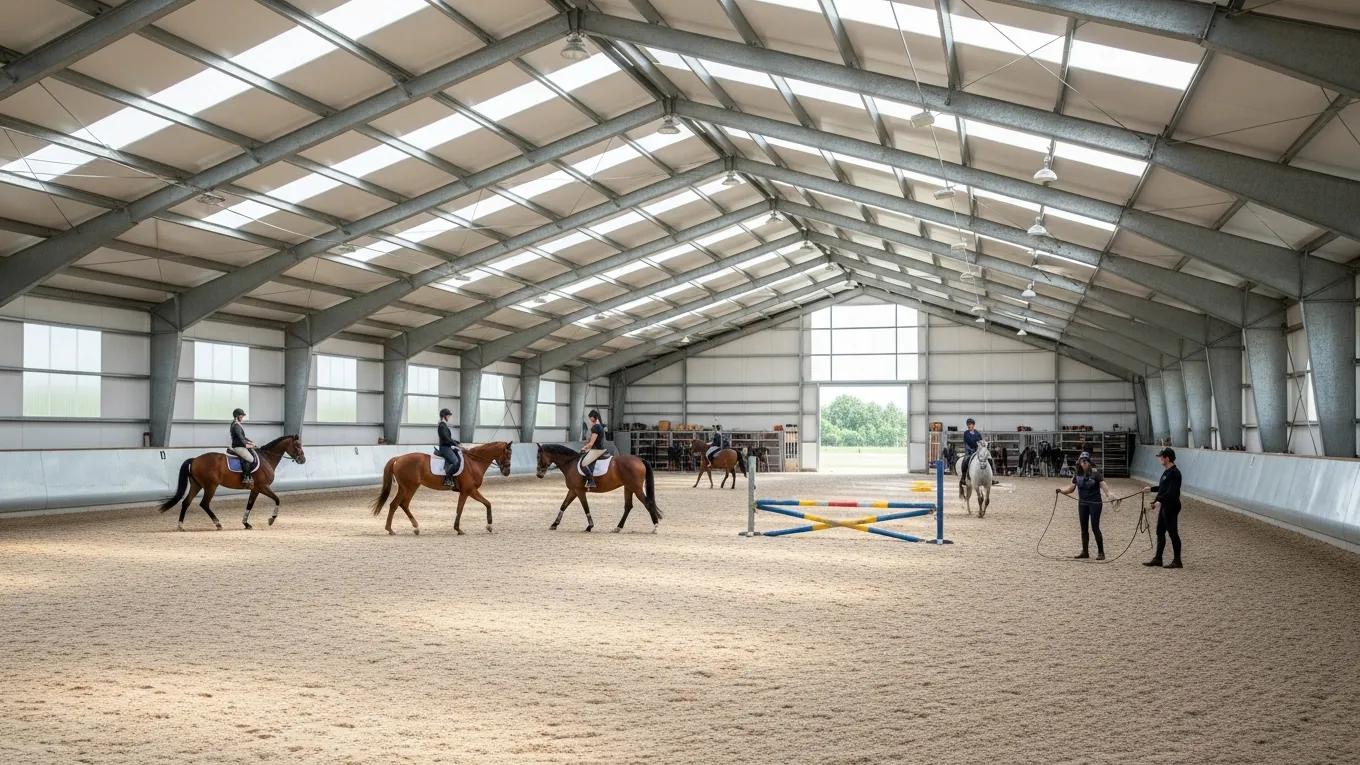
Designing a custom metal horse arena can markedly improve an equestrian facility by offering greater versatility and longer service life than traditional materials. This guide examines construction methods, material choices, design considerations, cost drivers, and maintenance requirements. Metal arenas protect against weather and provide durable, safe environments for horses and riders. Whether building new or upgrading an existing arena, understanding these elements enables informed decision‑making. This article outlines construction techniques, material recommendations, design factors, cost estimates and maintenance best practices.
Ask AI About This Guide
Opens your AI assistant with a question ready to send.
Construction Techniques
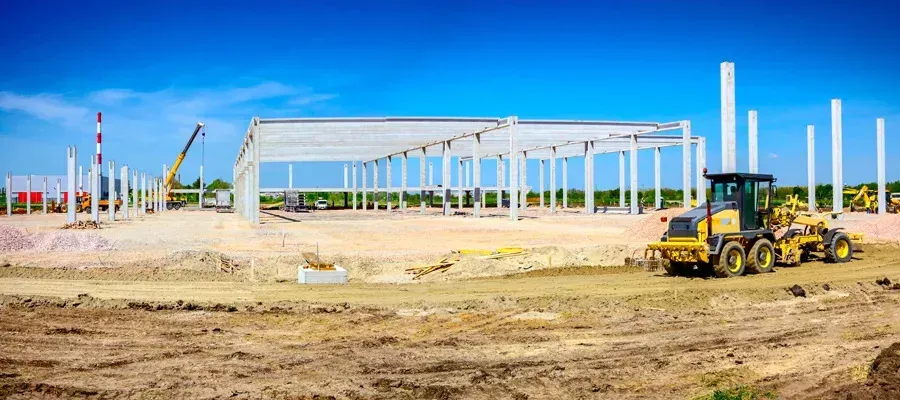
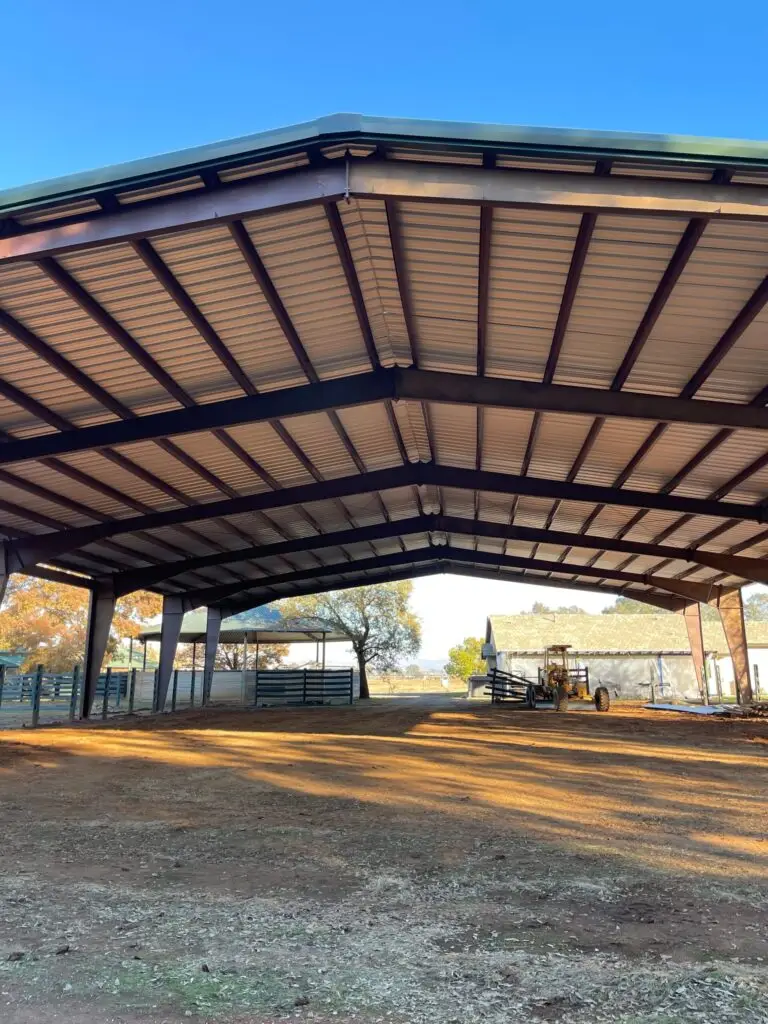
Constructing a metal horse arena requires techniques that ensure structural integrity and operational performance. The process begins with a detailed site assessment of soil and environmental conditions. A suitable foundation—commonly reinforced concrete—is then installed to support the steel frame, which forms the arena’s structural backbone. Consistent coordination among contractors, architects and the client prevents scope changes and keeps the project aligned.
How Is a Custom Metal Horse Arena Constructed on Your Property?
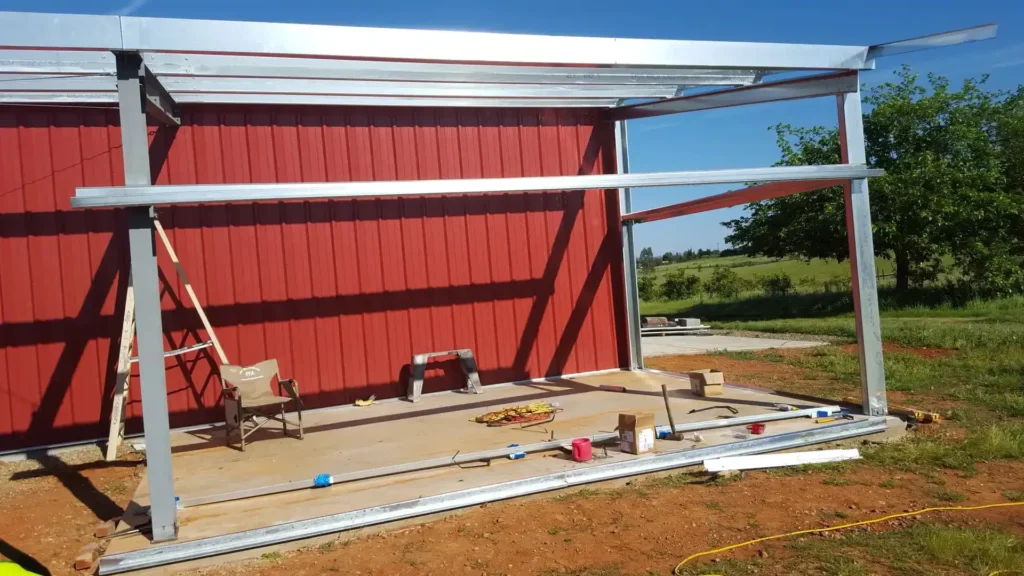
The typical build sequence is site preparation and foundation work, followed by erection of the steel framework to provide stability. After the frame, roof and wall panels are fitted and often selected for thermal performance and climate control. Accurate panel alignment and fastening are critical to avoid future structural issues.
Material Options
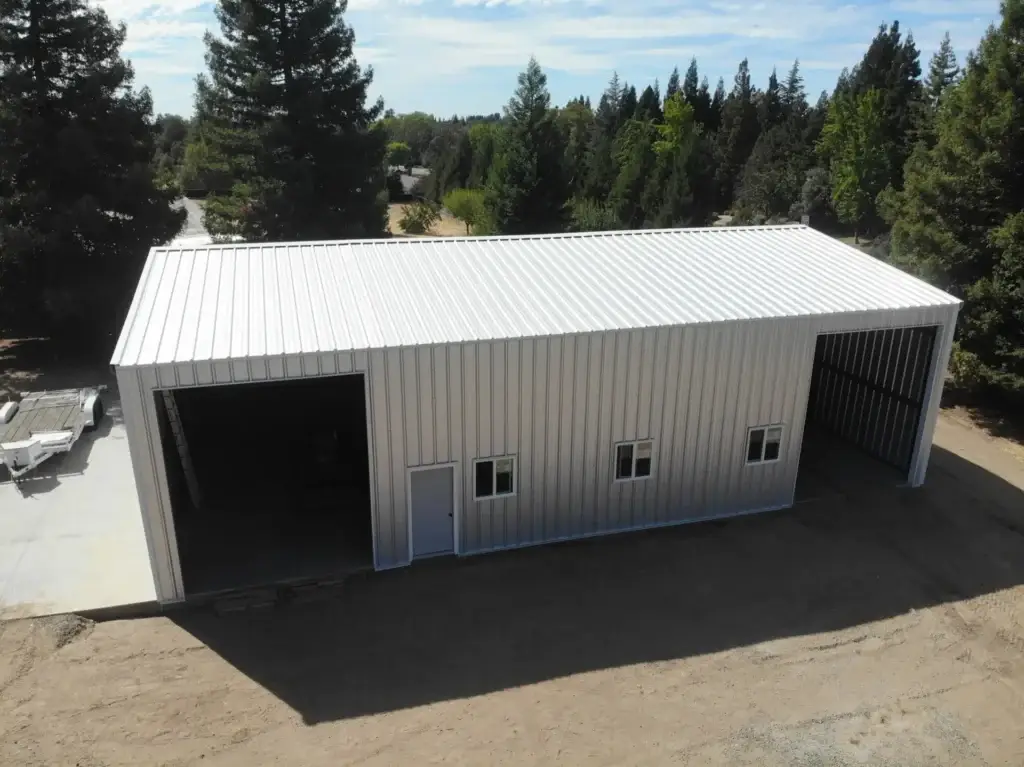
Material selection directly affects an arena’s durability and performance. Common choices include galvanized steel and aluminum, both offering corrosion resistance and weather durability. Metal roofing and wall panels offer varied aesthetic and functional properties. Manufacturer warranties commonly range from 10 to 30 years, supporting long‑term performance.
How Do Durable Metal Materials Enhance Arena Longevity?
Durable metals extend arena lifespan by resisting severe weather such as heavy rain and high winds. Metal surfaces typically require less frequent repairs than traditional materials, simplifying maintenance. A robust steel framework maintains structural integrity, enhancing safety for horses and riders.
Design Considerations
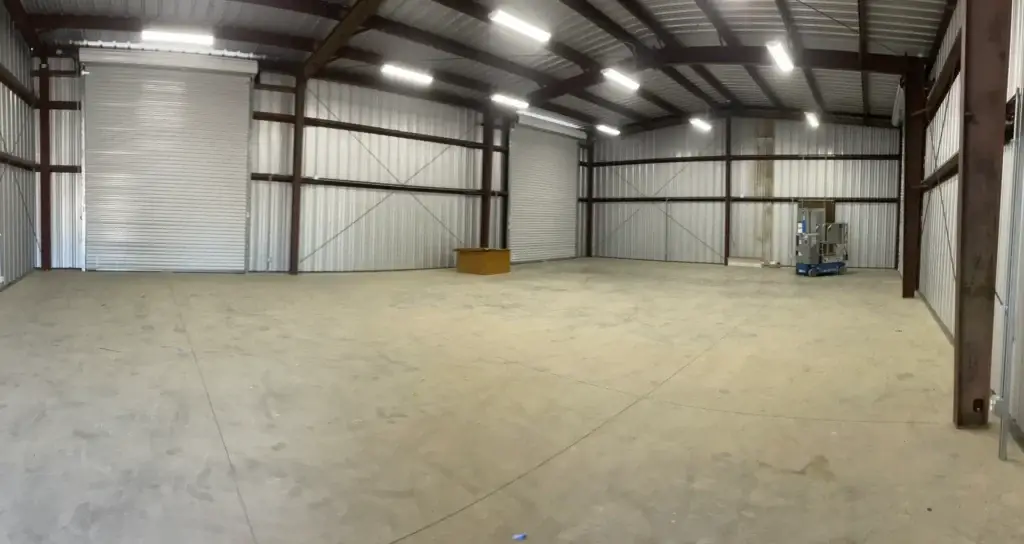
When planning a metal arena, prioritize size, layout and functional features such as ventilation and open‑air options to match intended use. Footing selection is critical: the right material affects equine performance and safety. Include insulation and surface drainage to maintain year‑round usability and protect the structure.
What Are the Best Horse Arena Fencing Options for Durability and Safety?
Fencing is essential for arena safety. Durable vinyl or metal fencing resist decay and wear while defining clear boundaries. These materials require minimal upkeep and contribute to long‑term reliability and rider safety when specified and installed correctly.
Cost Factors
Construction costs vary with size, material quality and labour rates. Typical budgets for a standard metal arena range from $50,000 to over $200,000 depending on design complexity and material specifications. Additional cost drivers include foundation type, lighting and integrated technologies.
| Component | Description | Estimated Cost |
|---|---|---|
| Foundation | Concrete base for stability | $15,000 – $60,000 |
| Steel Frame | Main structural element | $20,000 – $100,000 |
| Roofing | Metal sheets or panels | $10,000 – $50,000 |
The table lists primary components and their estimated costs to aid budgeting and project planning.
How Much Does Horse Arena Construction Typically Cost?
Total project costs can vary widely: a basic arena may begin near $50,000 while larger or highly customised facilities can exceed $200,000. Local labour, material availability and design complexity materially affect the final estimate. Engaging experienced equestrian construction professionals will produce more precise, site‑specific quotes.
What Factors Influence Metal Horse Arena Pricing?
Several factors influence metal arena pricing, including arena size, custom design features and the integration of systems such as lighting or climate control.
- Arena Size: Larger arenas require more materials and labor.
- Customization Options: Unique designs add complexity and may increase costs.
- Feature Integration: Adding elements like lighting or climate control systems will significantly impact the overall budget.
Maintenance Practices
Regular maintenance preserves functionality and extends service life. Conduct routine inspections to detect corrosion, panel damage or footing degradation and address issues promptly. Maintain footing to support horse safety and performance, and keep drainage systems clear to prevent water accumulation and structural harm.
What Are the Steps in the Installation and Metal Fabrication Process?
The installation of a metal horse arena typically involves several critical steps:
- Site Preparation: Clearing and leveling the area.
- Foundation Work: Installing a strong, durable base.
- Fabrication of Metal Components: Cutting and assembling steel pieces.
- Erection of Structure: Installing the framework and enclosing the arena.
Each stage is essential to deliver a safe, code‑compliant structure that meets the specified performance criteria.
How Do Drainage and Maintenance Solutions Improve Arena Performance?
Proper drainage directs excess water away from the riding surface, reducing flooding risk and preserving stability. Well maintained drainage improves year‑round usability and reduces long‑term repair costs.
Frequently Asked Questions
What is the recommended size for a custom metal horse arena?
Ideal arena size depends on use and number of horses. Common dimensions for dressage or jumping are approximately 60 by 120 feet, with larger arenas up to 80 feet wide for broader activities. Site constraints and specific equestrian disciplines should determine final dimensions; consult an equestrian architect to confirm performance and safety requirements.
How can I ensure proper ventilation in my metal horse arena?
Ensure effective ventilation by installing adjustable upper vents or windows and designing the roof to allow hot air to escape. Ceiling fans can assist air circulation, and adequate eaves reduce humidity, creating a healthier environment for horses and riders.
Are there specific regulations I should be aware of when building a horse arena?
Confirm local zoning and building codes before construction. Requirements often cover building height, setbacks and permitted materials. Some jurisdictions specify drainage and equestrian safety measures. Early consultation with local authorities and securing required permits will reduce the risk of compliance issues.
What maintenance schedule should I follow for my horse arena?
Adopt a maintenance programme: inspect footing weekly for wear and debris; check metal panels and roofing monthly for corrosion or damage; and perform seasonal reviews of drainage and fencing. Maintain a log to track issues and scheduled interventions, which supports longevity and reduces unexpected repairs.
What types of footing material are best for metal horse arenas?
Common footing options include sand, rubber or blended mixes that provide cushioning and shock absorption. Combining fine and coarse elements can improve traction while minimising injury risk. Select footing based on intended use and consult a footing specialist for an application‑specific recommendation.
Can my metal horse arena be insulated?
Insulation can be applied to walls and ceilings to improve thermal regulation and energy efficiency. Proper insulation reduces heat loss in winter and moderates internal temperatures in summer, improving comfort and enabling year‑round use; it may also lower heating and cooling expenses.
Conclusion
Investing in a custom metal horse arena delivers durability, safety and operational flexibility compared with traditional builds. A clear understanding of construction methods, material options and cost drivers enables informed decisions for your facility. Whether undertaking a new build or upgrading an existing arena, appropriate choices will improve functionality and performance. Contact our team or review resources to evaluate solutions for your project.